Hello, traveler!
The Cusco-Explore team has prepared this blog especially for you. If you are planning to hike the Inca Trail to Machu Picchu, then you will want to know everything about Dead Woman’s Pass, the trail’s highest and most legendary point.
In this article, you will discover what Dead Woman’s Pass is, why it is so important, how to prepare, what the climb is like, and what makes the view from the top truly unforgettable.
So, take a deep breath, lace up your boots, and get ready.
Let us begin!
What Is Dead Woman’s Pass?
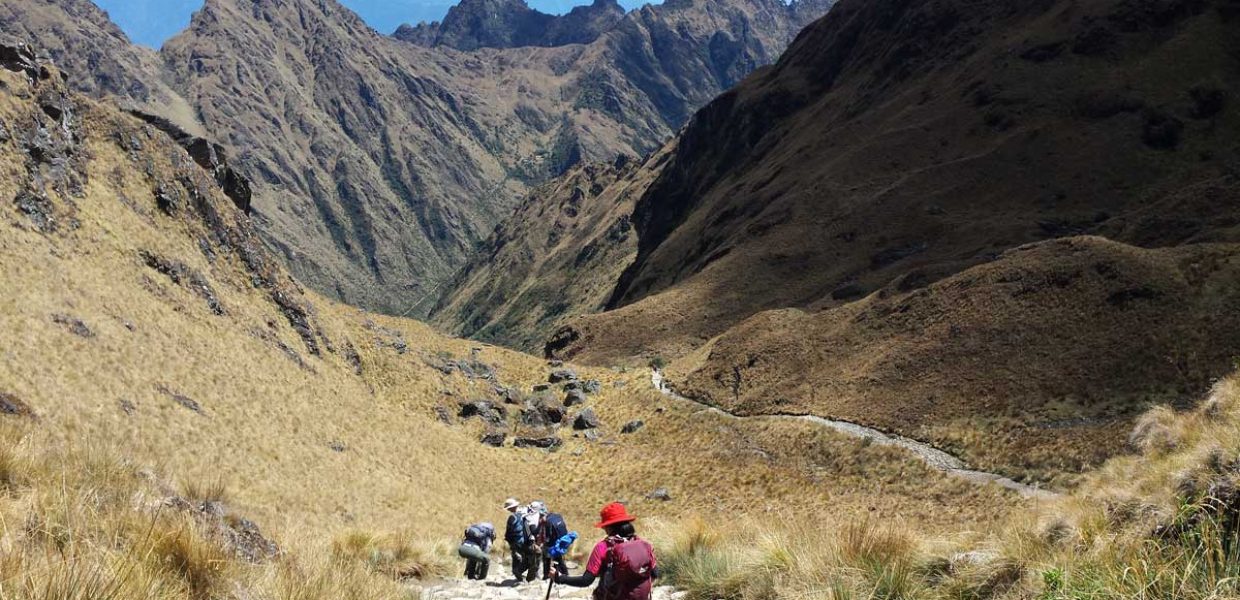
Dead Woman’s Pass, or Warmiwañusca in Quechua, is a mountain pass located at 4,215 meters (13,828 feet) above sea level. It is the highest point on the classic 4-day Inca Trail to Machu Picchu.
The name comes from the shape of the surrounding ridge, which resembles a woman lying on her back. Despite its intimidating name, Dead Woman’s Pass is not a dangerous place. Instead, it is a spiritually powerful and scenic section of the trail that challenges and rewards every trekker who reaches its summit.
Why Is Dead Woman’s Pass So Important?
Dead Woman’s Pass is considered the most physically demanding part of the Inca Trail. The ascent requires effort and determination due to the high altitude, thin air, and steep terrain.
However, once at the top, hikers are greeted by breathtaking panoramic views of the Andean mountains, valleys, and cloud forests. For many, this point marks a moment of personal triumph—a test of endurance and a deep connection with nature and Inca history.
Reaching the summit is one of the highlights of the entire Inca Trail and is remembered as a life-changing experience by many who have done it.
What Is the Altitude of Dead Woman’s Pass?
Dead Woman’s Pass sits at 4,215 meters (13,828 feet) above sea level. It is the highest altitude you will reach on the Inca Trail. Because of this, the air is thinner, and physical activity becomes more demanding.
This section of the trail is usually crossed on the second day of the 4-day trek. Most hikers start the day from Wayllabamba or Ayapata campsite and reach the pass after several hours of steep climbing.
How to Prepare for Dead Woman’s Pass
While the climb is challenging, it is absolutely manageable with the right preparation. Here are key tips to help you succeed:
1. Acclimatize in Cusco
Spend at least 2–3 days in Cusco (3,400 meters) before starting the Inca Trail. This helps your body adjust to the altitude and reduces the risk of altitude sickness.
2. Wear Proper Hiking Gear
-
Bring high-quality hiking boots that are well broken-in.
-
Use layered clothing to adapt to changing temperatures.
-
Carry a rain jacket, even in the dry season, as mountain weather can be unpredictable.
3. Stay Hydrated and Energized
-
Drink plenty of water throughout the hike.
-
Pack energy-rich snacks like nuts, chocolate, and granola bars.
-
Avoid alcohol and heavy meals the night before the hike.
4. Pace Yourself
Walk at your own rhythm. The goal is not speed—it is steady progress and conscious breathing. Take regular breaks and listen to your body.
5. Travel with a Licensed Guide
A professional guide will ensure your safety, provide cultural context, and motivate you throughout the trek. Guided group tours also offer moral support and camaraderie.
The Climb to Dead Woman’s Pass: What to Expect
The climb to Dead Woman’s Pass is often described as grueling but unforgettable. Here is a breakdown of the experience:
-
Early Morning Start: You will begin the hike early to avoid the midday sun.
-
Steep Ascents: The trail becomes increasingly steep as you leave the forest behind and enter the high-altitude puna grasslands.
-
Altitude Challenge: You may feel shortness of breath, fatigue, or dizziness. Go slowly and take deep breaths.
-
Summit Arrival: Once you reach 4,215 meters, the view will take your breath away—in a good way. Most trekkers spend time resting, taking photos, and celebrating the milestone.
-
Descent to Pacaymayu: After crossing the pass, the trail descends sharply toward the next campsite. This section brings welcome relief and stunning mountain scenery.
The View from the Top: Andes in All Their Glory
From the summit of Dead Woman’s Pass, you can enjoy a 360-degree view of the Andes. On clear days, the valleys below are covered in mist, while snowcapped peaks rise in the distance.
You may spot Andean wildlife, such as llamas, eagles, or even the majestic condor soaring overhead. The landscape is dotted with wildflowers and ancient pathways once used by messengers of the Inca Empire.
This is a place where hikers often pause in silence, reflecting on the beauty of nature and the footsteps of those who came before them.
Frequently Asked Questions About Dead Woman’s Pass
1. What is the altitude of Dead Woman’s Pass?
It is located at 4,215 meters (13,828 feet) above sea level. It is the highest point on the Inca Trail.
2. Why is it called Dead Woman’s Pass?
The name comes from the shape of the mountain ridge, which resembles a woman lying down. It is symbolic, not literal, and the area is safe for travelers.
3. How hard is it to climb Dead Woman’s Pass?
The climb is considered moderate to difficult, mainly because of the altitude and incline. However, with preparation and a slow pace, most people in good physical condition can reach the summit.
4. How long does it take to reach the pass?
From the Ayapata campsite, the climb usually takes 2 to 4 hours, depending on your pace and rest stops. It is part of Day 2 of the classic 4-day Inca Trail.
5. What should I pack for Dead Woman’s Pass?
Bring:
-
Sturdy hiking boots
-
Warm and layered clothing
-
Rain protection
-
Water bottle or hydration system
-
Light snacks
-
Altitude medication (optional)
Why You Should Conquer Dead Woman’s Pass
Dead Woman’s Pass is not just the highest point on the Inca Trail—it is a personal and physical achievement for every trekker who reaches the summit.
It challenges your limits and rewards you with a powerful connection to nature, history, and your own resilience. Standing at the top, you are literally walking in the footsteps of the ancient Incas, surrounded by the same mountains that shaped their civilization.
Book The Famous Inca Trail + Dead Woman’s Pass