

Salkantay Trek
What is the Salkantay Trek?
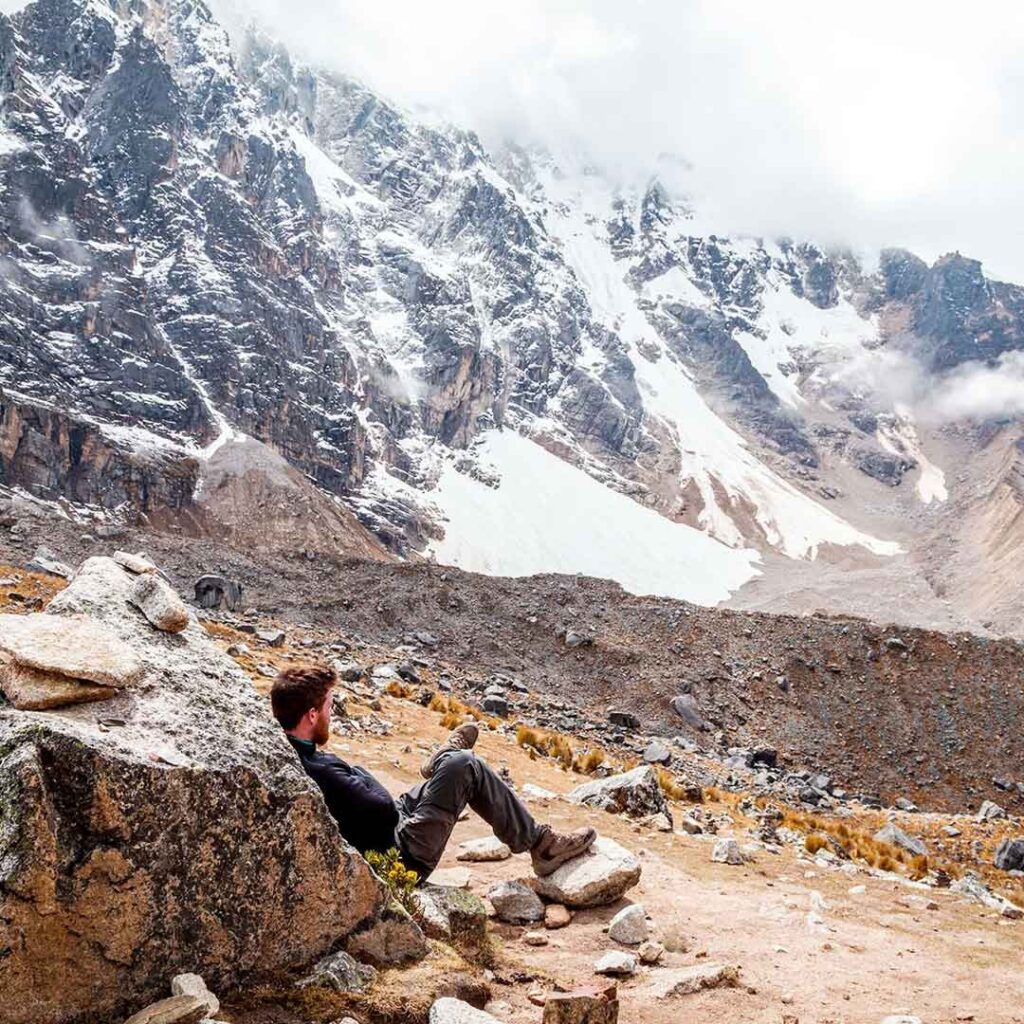
The Salkantay trek is a 5-day hiking route that starts near Cusco and winds through stunning Andean scenery. The trek is named after the towering Salkantay Mountain, one of the highest peaks in the region, reaching an impressive 6,271 meters (20,574 feet). It’s an exciting alternative for those who want to experience nature at its best and explore the magical world of the Andes on their way to Machu Picchu.
This trek is often considered a more challenging but rewarding option compared to the Inca Trail, due to its higher altitudes and remote trails. It’s perfect for adventurers who love to hike through wild landscapes and see places off the beaten path.
Main Trekkings
Short Salkantay trek to Machu Picchu 4 days
4-day hike
Classic Salkantay trek to Machu Picchu 5 days
5-day hike

Why Choose the Salkantay Trek?
There are many reasons why the Salkantay trek stands out as one of the best hiking experiences in Peru. Here are just a few:
Stunning Scenery – The Salkantay trail offers breathtaking views of glaciers, lush valleys, and snow-capped mountains. You’ll be surrounded by the raw beauty of the Andes every step of the way.
Less Crowded – While the Inca Trail has a limited number of daily permits, the Salkantay trek doesn’t have the same restrictions. This means fewer hikers on the trail and a more peaceful experience in nature.
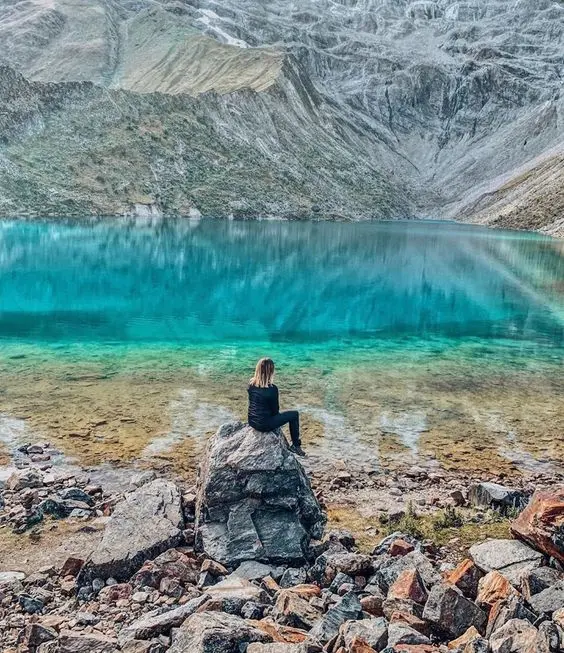
Variety of Landscapes – You’ll hike through diverse landscapes, from high-altitude passes to tropical cloud forests. Every day offers something new, with towering peaks, beautiful rivers, and even Humantay Lake along the way.
Cultural Experience – You’ll pass through traditional Andean villages and have the chance to meet locals living in remote areas. This cultural immersion adds a special touch to your journey.
Reach Machu Picchu – The Salkantay trek ultimately leads to the ancient ruins of Machu Picchu, one of the New Seven Wonders of the World. The excitement of reaching this iconic site after days of trekking through the Andes is unbeatable.

What to Pack for the Salkantay Trek
When preparing for the Salkantay trek, it’s important to pack smartly to ensure a comfortable experience. Here are some essentials you’ll need:
- Sturdy hiking boots – Make sure they’re broken in to avoid blisters.
- Warm clothing – The high altitudes can get very cold, especially at night. Bring layers, including a warm jacket and thermal clothing.
- Rain gear – Weather in the mountains can be unpredictable, so pack a rain jacket or poncho.
- Sunscreen and hat – The sun at high altitudes is strong, so protect your skin.
- Water bottle and purifier – It’s important to stay hydrated, but water sources may not always be available. Bring a purification system to ensure safe drinking water.
- Snacks – While meals are provided on the trek, it’s always a good idea to have energy-boosting snacks like nuts and energy bars.
Practical Tips for the Salkantay Trek
- Altitude acclimatization – Spend a few days in Cusco or the Sacred Valley before the trek to acclimatize to the high altitudes.
- Trekking permits – Unlike the Inca Trail, the Salkantay trek doesn’t require special permits. However, you will need tickets to enter Machu Picchu, which can be purchased in advance.
- Best time to go – The best time to do the Salkantay trek is during the dry season, from May to September. The weather is more predictable, with clear skies and less rain.
FAQs About the Salkantay Trek
How difficult is the Salkantay trek?
The Salkantay trek is considered a challenging hike due to the high altitudes and long days of trekking. However, with proper preparation and acclimatization, most hikers can complete it successfully.
Can you do the Salkantay trek on your own?
It’s possible to do the trek independently, but it’s recommended to go with a guide or tour operator for safety and ease. Plus, guides offer local knowledge and support.
How much does the Salkantay trek cost?
Prices vary depending on the tour operator but expect to pay between $250 and $800 for a guided trek, which includes meals, transportation, and camping gear.