Historical Significance:
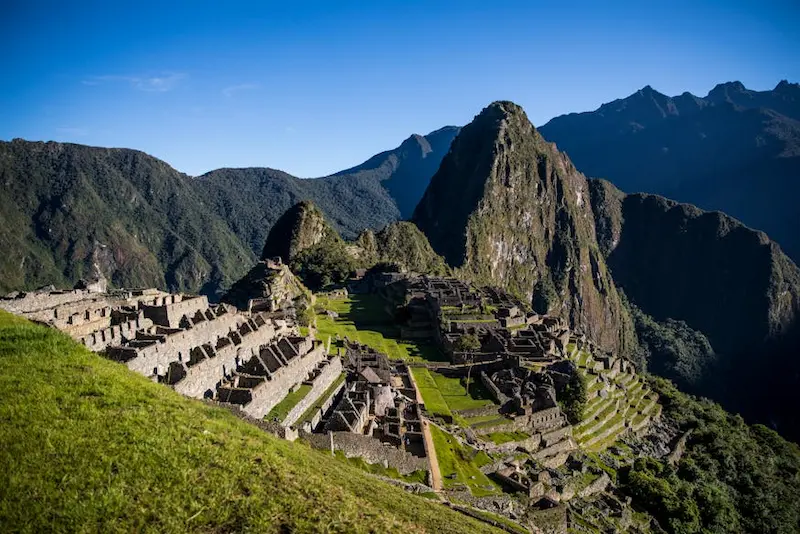
Machu Picchu was built in the 15th century by the Inca Emperor Pachacuti and is believed to have been a royal estate or a sacred religious site. It showcases the ingenuity and architectural mastery of the Inca civilization, including their advanced engineering, agricultural techniques, and astronomical knowledge.Cultural Importance:
As a UNESCO World Heritage Site and one of the New Seven Wonders of the World, Machu Picchu is a symbol of Peru’s cultural heritage and the legacy of the Inca Empire. It continues to inspire indigenous pride and global fascination.Architectural Masterpiece:
The site’s structures—such as the Temple of the Sun, Intihuatana stone, and terraces—demonstrate the Incas’ ability to harmonize construction with the natural environment, creating a visually stunning and functional space.Spiritual Value:
Many believe Machu Picchu had spiritual and ceremonial purposes, with its alignment to the sun and stars reflecting the Incas’ deep connection to nature and the cosmos.Environmental Significance:
Located in the Peruvian Andes, the site is part of a biodiverse region with unique flora and fauna. It exemplifies sustainable living in harmony with a fragile ecosystem.Global Tourism and Economy:
Machu Picchu attracts millions of visitors annually, making it a crucial part of Peru’s tourism industry and a source of economic growth for local communities.
Its mystery, beauty, and cultural significance make it an iconic symbol of ancient human achievement.