

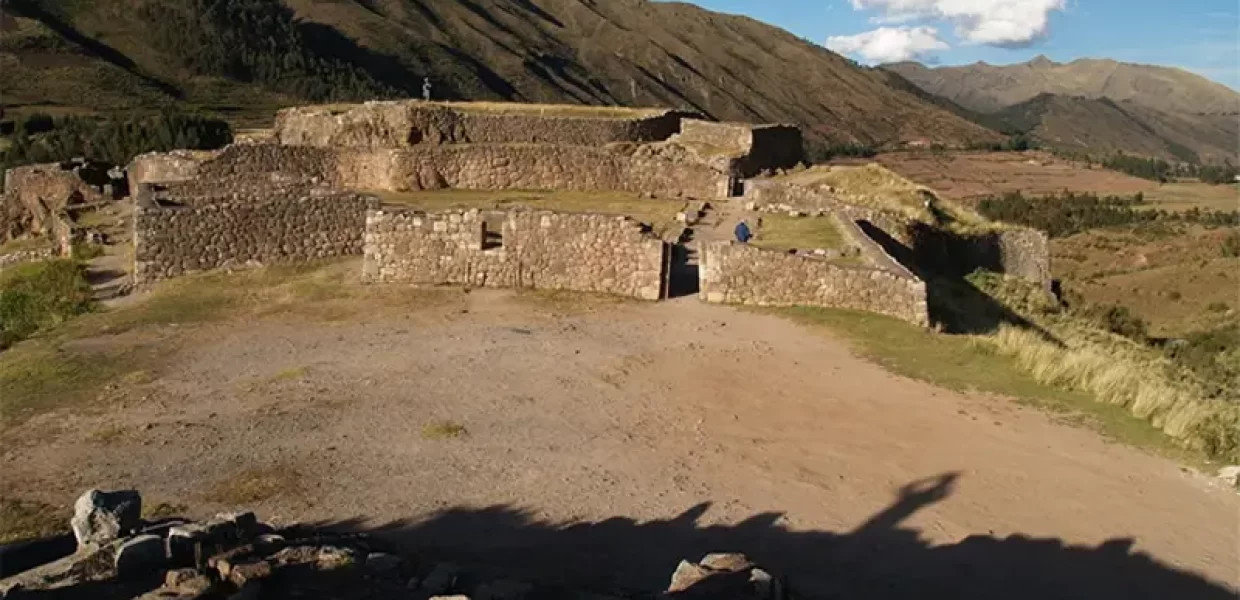
It is an intriguing archaeological site in the Cusco region, holds a significant place in the history of the Inca Empire. Its name translates to “Red Fortress” due to the red color of its stones, which intensifies during sunset. This irregularly shaped complex includes walls, terraces, and other structures that hint at its strategic importance. Today, it remains a fascinating stop for visitors exploring the inca sites near the city of Cusco.
The History of Pukapukara
Pukapukara played a crucial role in the Inca Empire, serving as a military and administrative center. Scholars believe it functioned as a checkpoint that controlled access to the Sacred Valley and Machu Picchu. The site’s elevated position provided impressive views of the surrounding valleys, making it an ideal location for surveillance and protection.
Additionally, historians suggest that Pukapukara may have served as a resting place for messengers and travelers, ensuring safe passage through the rugged Andean terrain. Its strategic location near the main road system of the Incas reinforces its significance within the empire.
What Does Pukapukara Mean?
The name Pukapukara derives from Quechua, the language of the Incas. “Puka” means red, while “Pukara” refers to a fortress or stronghold. Together, these words describe the site’s characteristic red stone walls, giving it the distinct name “Red Fortress.”
Where is Pukapukara Located?
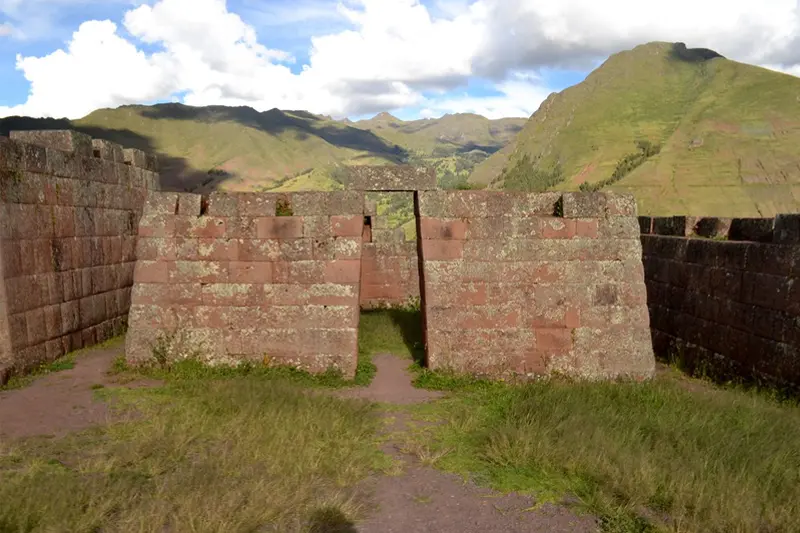
This Archeological site is located approximately 7 kilometers (4.3 miles) from the city of Cusco, sitting at an altitude of 3,850 meters (12,631 feet) above sea level. This archaeological site is part of a larger network of Inca ruins in the Cusco region, making it an essential stop for history enthusiasts.
The fortress overlooks a vast landscape, providing stunning views of the valley and the surrounding mountains. Its proximity to other significant sites like Tambomachay and Sacsayhuamán makes it a convenient addition to any city tour of Cusco.
How to Get to Pukapukara
Travelers can reach Pukapukara in multiple ways, depending on their preferred mode of transportation and itinerary. Here are the most common options:
By City Tour
Many visitors explore Pukapukara as part of a guided city tour. These tours typically include other important inca sites such as Tambomachay, Qenqo, and Sacsayhuamán. A guided experience provides valuable historical insights and context about the site’s function and significance.
By Public Transportation
For budget-conscious travelers, taking public transportation is an option. Local buses and colectivos (shared taxis) depart from Cusco toward the Sacred Valley, making a stop near Pukapukara. From there, a short walk leads to the site.
By Private Transportation
Hiring a taxi or renting a car offers greater flexibility and convenience. This option allows travelers to explore the complex at their own pace and visit nearby attractions without time constraints.
By Trekking
For adventure seekers, trekking from Cusco to Pukapukara is a rewarding experience. The hike takes approximately 1.5 to 2 hours, passing through scenic landscapes with breathtaking views of the surrounding area.
What to Expect When Visiting Pukapukara
Pukapukara may not be as grand as Machu Picchu, but it offers a unique glimpse into the military and logistical aspects of the Inca Empire. The complex includes various structures such as:
- Walls and Terraces: These irregularly shaped constructions were built using large stone blocks, demonstrating the Inca’s architectural expertise.
- Lookout Points: The elevated position of the fortress provided a strategic view of the valley and potential threats.
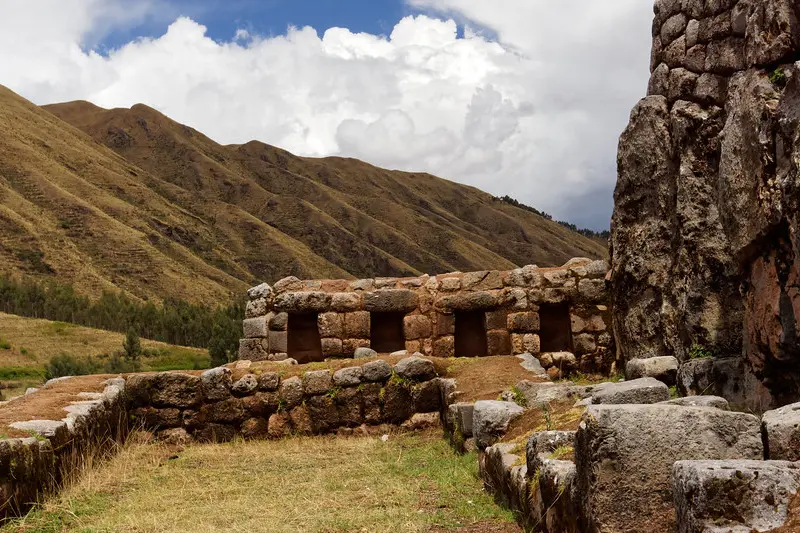
- Storage Areas: Some chambers may have been used for food storage, ensuring supplies for soldiers and travelers.
- Guardhouses: Small enclosures that likely housed guards monitoring the area’s activity.
Entrance Fees and Tourist Ticket Information
To visit Pukapukara, travelers need the Boleto Turístico de Cusco (Cusco Tourist Ticket). This pass grants access to multiple archaeological sites in the region, including Sacsayhuamán and Qenqo. The ticket can be purchased in Cusco at designated offices or directly at the site.
The Connection Between Pukapukara and Tambomachay
Just a short distance from Pukapukara lies Tambomachay, another important Inca site. Often referred to as the “Baths of the Inca,” Tambomachay features elaborate water channels and fountains believed to have been used for ritual purification. Some historians suggest that Pukapukara served as a military outpost protecting Tambomachay, emphasizing the interconnected nature of these sites.
Best Time to Visit Pukapukara
Pukapukara can be visited year-round, but the best time to explore the site depends on weather conditions and personal preferences.
- Dry Season (May to September): Clear skies and pleasant temperatures make this period ideal for visiting Pukapukara. The dry season offers the best views of the surrounding landscape.
- Rainy Season (November to March): Although rain showers are frequent, fewer tourists visit during this time, allowing for a more tranquil experience.
Regardless of the season, visitors should wear comfortable walking shoes, bring water, and use sunscreen due to Cusco’s high altitude.


