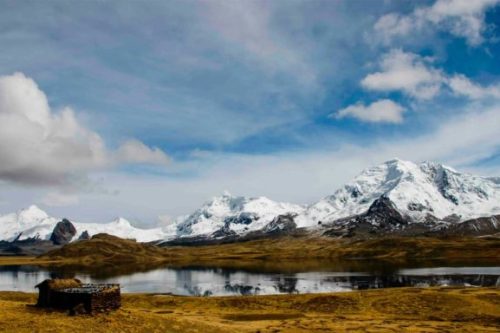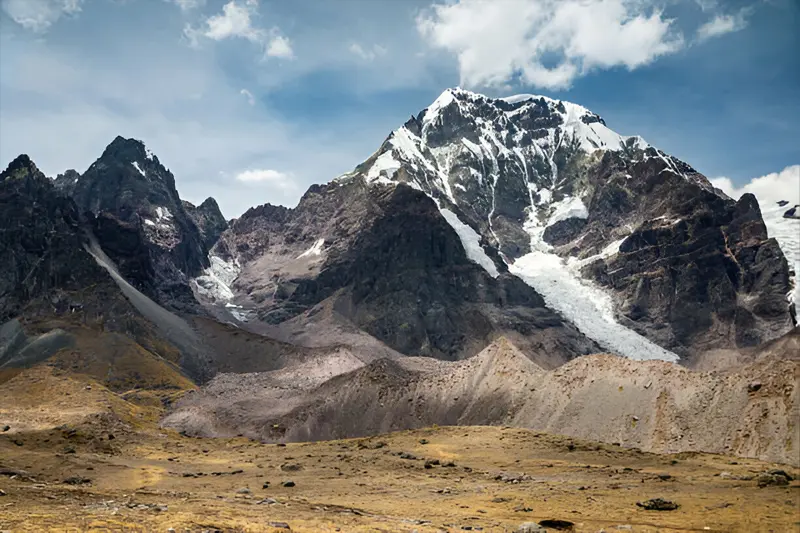
Nestled deep within the Peruvian Andes, Mount Ausangate rises proudly to 6,384 meters (20,945 feet). This remote and sacred mountain, located southeast of Cusco, remains one of the most awe-inspiring and lesser-known destinations in South America. Surrounded by colorful valleys, turquoise lakes, and traditional Andean villages, Ausangate offers a unique experience for adventurers seeking more than just a scenic trek.
Unlike the well-traveled path to Machu Picchu, Ausangate invites travelers into a quieter world, where nature, culture, and spirituality merge. Whether you’re drawn by the challenge of the trek or the mystique of its legends, this mountain promises a journey like no other.
What is Mount Ausangate?
Mount Ausangate is the fifth-highest peak in Peru and holds great significance for the local Quechua communities. It is part of the Vilcanota mountain range and is considered an Apu, or sacred mountain spirit, by indigenous peoples. The glacier-capped summit towers above surrounding landscapes, commanding both respect and reverence.
More than just a physical landmark, Ausangate serves as a cultural beacon. For centuries, it has been central to spiritual rituals, agricultural planning, and local mythology. Pilgrims continue to travel here for the annual Qoyllur Rit’i festival, which blends Catholic and Andean traditions in a spectacular high-altitude ceremony.
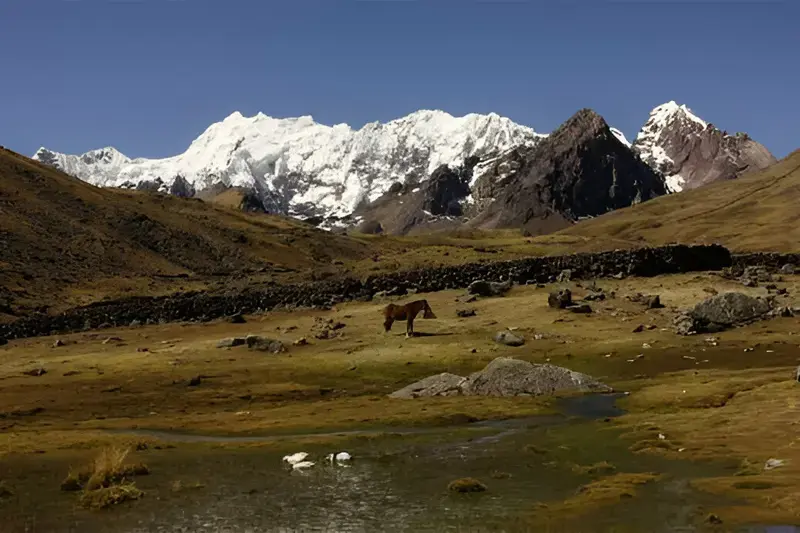
For trekkers and nature lovers, Ausangate also offers dramatic scenery: snow-capped peaks, high-altitude lakes like Lake Sibinacocha, and the world-famous Rainbow Mountain (Vinicunca) lie along its route. These natural wonders are best explored through the Ausangate Trek, a demanding but unforgettable multi-day hike.
The Legend of the Ausangate and Salkantay Brothers
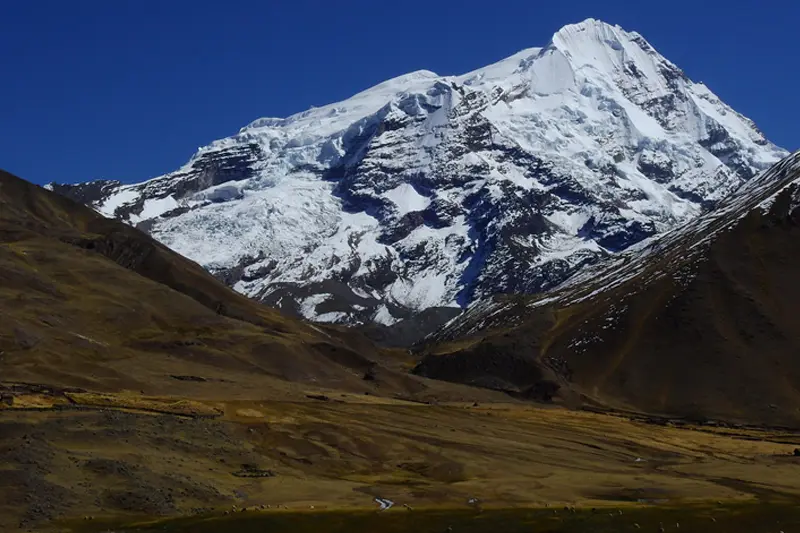
In the heart of Andean mythology, a powerful story explains the origin of Peru’s sacred peaks. According to legend, Ausangate and Salkantay were brothers born from the earth, entrusted with protecting the Andean people. When a severe drought struck the region, Ausangate traveled east to the Amazon to gather food and water, while Salkantay stayed behind.
On his journey, Ausangate carried life back to the highlands through glaciers, rivers, and fertile valleys. Meanwhile, Salkantay fell in love with a forbidden goddess and was separated from his brother forever. The tears from his heartbreak are said to have formed the rivers that flow through the valleys today.
This tale reinforces the spiritual importance of Ausangate. It’s not just a mountain; it’s a provider, protector, and living deity. Trekking in its shadow feels like walking through living history, where every ridge and stream has a story to tell.
How to Get to Mount Ausangate?
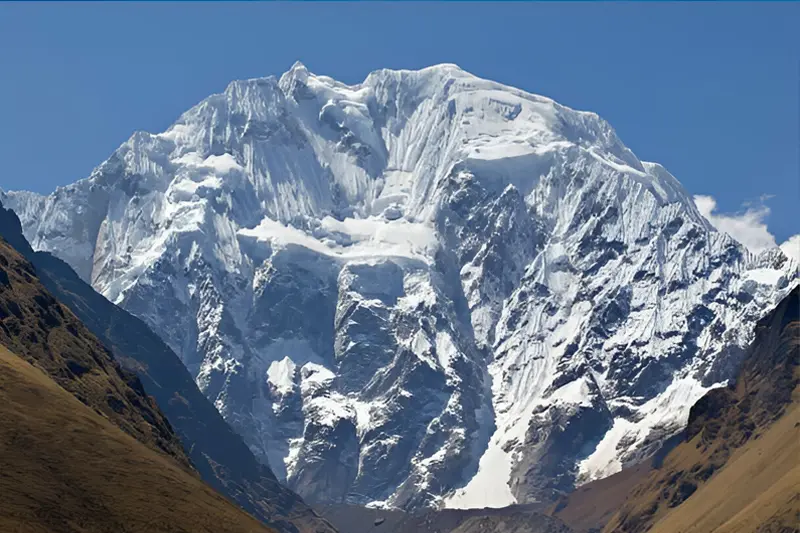
Reaching Ausangate involves planning and a bit of determination, but the effort is more than worth it. The journey begins in Cusco, the former capital of the Inca Empire and now a bustling city filled with culture and history.
From Cusco, travelers typically drive about three to four hours to Tinke, a small village that serves as the main gateway to the mountain. Some itineraries begin instead from Upis or Pacchanta, depending on the chosen trekking route. Roads are paved part of the way, but the final stretch may include bumpy mountain paths.
Transport options include:
Private transfers arranged through tour operators (most reliable and convenient)
Public minibuses (colectivos) to Tinke, followed by local taxis or walking
Guided treks, which include transport, meals, equipment, and expert support
Since the region sits at high altitude, it’s critical to spend at least two days in Cusco before the trek to acclimate and reduce the risk of altitude sickness.
What Can I Do in Mount Ausangate?
Ausangate is not just for hikers. It offers a rich blend of adventure, culture, and wellness for all kinds of travelers. Here are some of the best experiences you can enjoy in the region:
Ausangate Trek
The crown jewel of the region, the Ausangate Trek typically lasts five to six days and covers roughly 43 miles (70 kilometers). It is considered a challenging high-altitude hike, but also one of the most visually rewarding in Peru.
During the trek, you’ll pass glacial lakes, natural hot springs, herds of alpacas, and stunning mountain passes—many over 5,000 meters high. Campsites offer incredible stargazing opportunities, especially with the clear skies of the Andes.
Guided tours are highly recommended, not only for safety but also to enrich the experience through cultural context and logistical support.
Rainbow Mountain (Vinicunca)
Located near Ausangate, Rainbow Mountain has gained global fame for its vibrant, multi-colored layers of mineral-rich rock. It’s often visited as a separate day trip from Cusco, but it can also be included in the Ausangate Trek.
The trail to Rainbow Mountain is steep and reaches over 5,000 meters, so altitude preparation is essential. Still, the surreal views from the summit make the climb well worth the effort.
Thermal Springs in Pacchanta and Upis
After days of trekking, nothing compares to soaking in natural hot springs while surrounded by mountain views. Both Pacchanta and Upis offer rustic thermal baths where travelers can relax their muscles and enjoy the tranquility of the high Andes.
These communities also provide basic lodging and homemade meals, allowing you to experience authentic Andean hospitality.
Cultural Encounters
Many families in the region maintain traditional lifestyles, raising alpacas and crafting intricate textiles. With respect and guided assistance, you can visit local homes and cooperatives to learn about weaving techniques, taste Andean cuisine, and purchase ethically made souvenirs.
These exchanges offer meaningful insight into a way of life that has remained connected to the land for generations.
Best Time to Visit Ausangate
Weather conditions play a key role in your experience at Ausangate. The dry season, from May to September, is the best time to visit. During these months, clear skies and stable temperatures make trekking safer and more enjoyable.
Daytime temperatures range from 10°C to 20°C (50°F to 68°F), while nights can drop below freezing. Despite the cold, the views are spectacular, and the risk of rain or snow is low.
Avoid traveling during the rainy season (November to March), as trails become slippery and cloud cover may obstruct the scenery. April and October are shoulder months that can offer a balance of fewer crowds and mild weather.
Altitude and Safety Tips
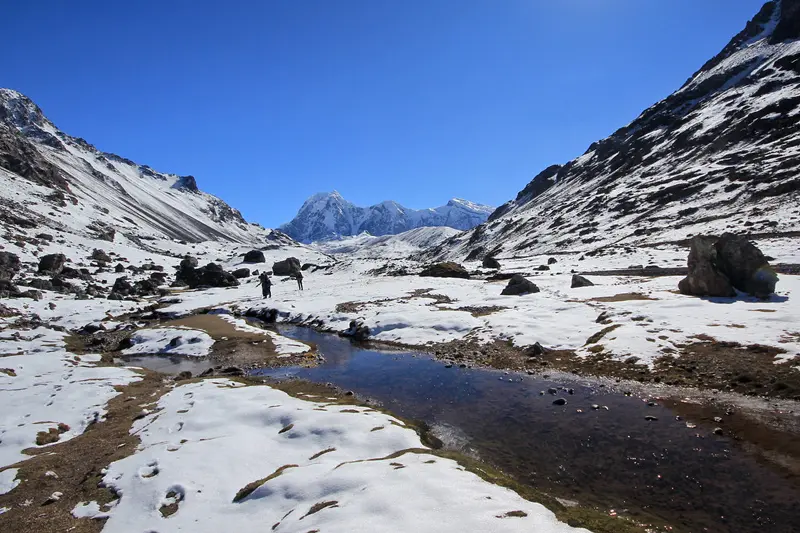
Trekking around Ausangate involves high elevations, with passes exceeding 5,000 meters (16,400 feet). Acclimatization is essential. Spend at least two full days in Cusco before heading to the mountain, and drink plenty of water to stay hydrated.
Here are a few more tips for a safe and successful journey:
Hire a guide: Local guides know the terrain and can provide critical support.
Bring layers: Weather changes quickly, so pack warm, waterproof clothing.
Eat high-energy foods: Long days of hiking require sustained energy.
Use sun protection: The high altitude increases UV exposure.
Travel with a first aid kit: Include altitude sickness medication if recommended by a doctor.
Travel insurance that covers high-altitude trekking is also highly recommended.
Responsible Travel and Sustainability
Preserving the natural and cultural richness of Ausangate is a shared responsibility. Tourism brings opportunity, but also challenges. Choosing eco-conscious tour operators, minimizing waste, and respecting local customs help ensure that this destination remains pristine for future generations.
Support businesses that:
Employ local guides and staff
Offer fair wages and ethical treatment
Reduce plastic use and encourage pack-in/pack-out policies
Educate visitors on environmental protection
By traveling responsibly, you contribute to sustainable development in the region.
Why Choose Ausangate Over Other Treks?
Peru offers many incredible trekking routes, including the famous Inca Trail. So, why choose Ausangate?
The answer lies in its solitude, authenticity, and raw beauty. You won’t find crowds here. Instead, you’ll discover remote wilderness, ancient traditions, and the spiritual essence of the Andes.
Here’s how Ausangate compares to other treks:
| Feature | Ausangate Trek | Inca Trail |
|---|---|---|
| Difficulty | High (remote, high-altitude) | Moderate |
| Crowds | Few | High (permits required) |
| Cultural Immersion | Deep (Quechua villages) | Historical (Inca ruins) |
| Nature Highlights | Lakes, glaciers, Rainbow Mt. | Cloud forest, Inca sites |
| Permit Required | No | Yes (limited availability) |
If you’re seeking a truly off-the-beaten-path experience, Ausangate delivers beyond expectations.