

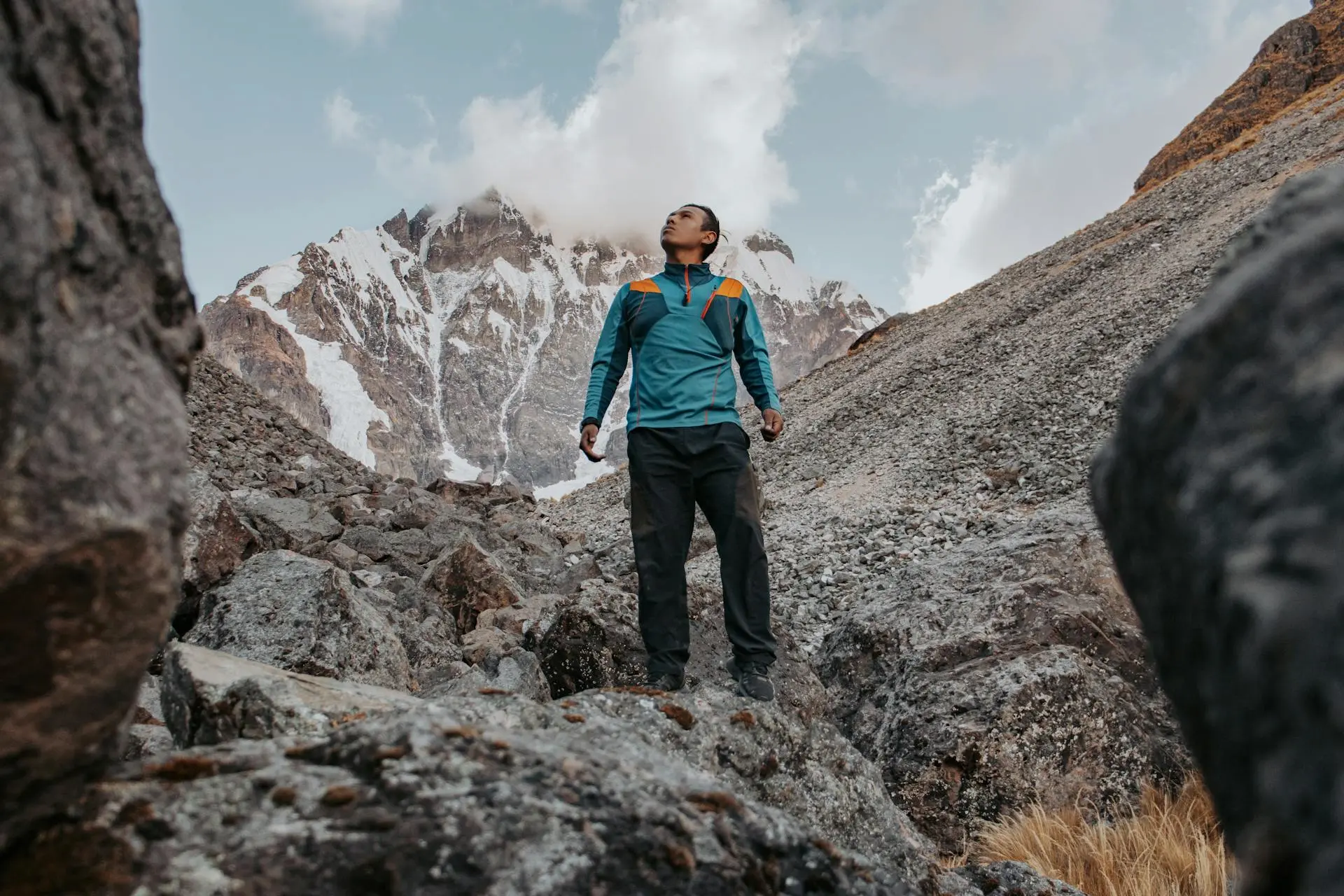
The Ausangate Trek is one of the most breathtaking and challenging adventures in Peru. Known for its stunning views of the Andes Mountains, glacial lakes, and unique landscapes, this trek is also famous for its high altitude, which adds to both the allure and the difficulty. Here’s everything you need to know about the altitude on the Ausangate Trek and how to prepare for it.
Altitude Overview of the Ausangate Trek
The Ausangate Trek is a high-altitude hike, with most of the route sitting above 4,000 meters (13,123 feet). Here’s a breakdown of key points along the trek:
Starting Point (Tinqui):
Altitude: ~3,800 meters (12,467 feet).
This is where most trekkers begin their journey after traveling from Cusco.Highest Point (Palomani Pass):
Altitude: ~5,200 meters (17,060 feet).
The Palomani Pass is the highest section of the trek, offering incredible panoramic views but requiring physical and mental stamina.Typical Campsites:
Campsites range between 4,300–4,800 meters (14,108–15,748 feet), meaning you’ll sleep at high altitudes most nights.End Point:
The trek loops back to around 3,800 meters (12,467 feet), depending on the route you choose.
Effects of High Altitude on the Ausangate Trek
The high altitude is a defining feature of the Ausangate Trek, and it affects everyone differently. At such elevations, the air contains less oxygen, which can lead to altitude sickness if your body isn’t acclimatized. Symptoms can include:
- Headaches
- Nausea
- Dizziness
- Shortness of breath
It’s essential to take the altitude seriously, as the trek reaches extreme elevations that can challenge even experienced hikers.
How to Prepare for the Altitude on the Ausangate Trek
Acclimatize in Cusco
Spend at least 2–3 days in Cusco or similar high-altitude locations (3,400 meters / 11,155 feet) before starting the trek. This gives your body time to adjust.Stay Hydrated
Drink plenty of water throughout the trek to help your body cope with the altitude. Avoid alcohol and caffeine, as they can contribute to dehydration.Take It Slow
Pace yourself on the trail. The Ausangate Trek isn’t a race, and overexertion can increase your chances of altitude sickness.Consider Medication
Consult your doctor about taking acetazolamide (Diamox), a medication that can help prevent altitude sickness.Travel with a Guide
Experienced guides monitor your health and can assist if altitude sickness becomes severe. They may also carry oxygen in case of emergencies.
Why the High Altitude Is Worth It
Despite the challenges, the high altitude of the Ausangate Trek is what makes it so unique. You’ll have the chance to:
- Hike through remote mountain passes far from the crowds.
- Witness the stunning beauty of glacial lakes like Laguna Sibinacocha.
- Experience the vibrant colors of the Rainbow Mountain and the surrounding landscapes.
The altitude gives the trek its character and ensures you’ll have a truly unforgettable experience.
FAQs About the Ausangate Trek Altitude
1. How high is the Ausangate Trek?
The trek ranges from 3,800 meters (12,467 feet) at the starting point to 5,200 meters (17,060 feet) at its highest point.
2. Can beginners do the Ausangate Trek?
While the trek is physically demanding, beginners can complete it with proper preparation, acclimatization, and the help of a guide.
3. How do I prevent altitude sickness on the trek?
Acclimatize, stay hydrated, and take it slow. You can also discuss preventive medication with your doctor.
4. Is the Ausangate Trek harder than the Inca Trail?
Yes, primarily due to the higher altitudes and remoteness of the trek.
5. What should I do if I feel sick at high altitude?
Inform your guide immediately. Descending to a lower altitude is often the best solution for severe altitude sickness.