

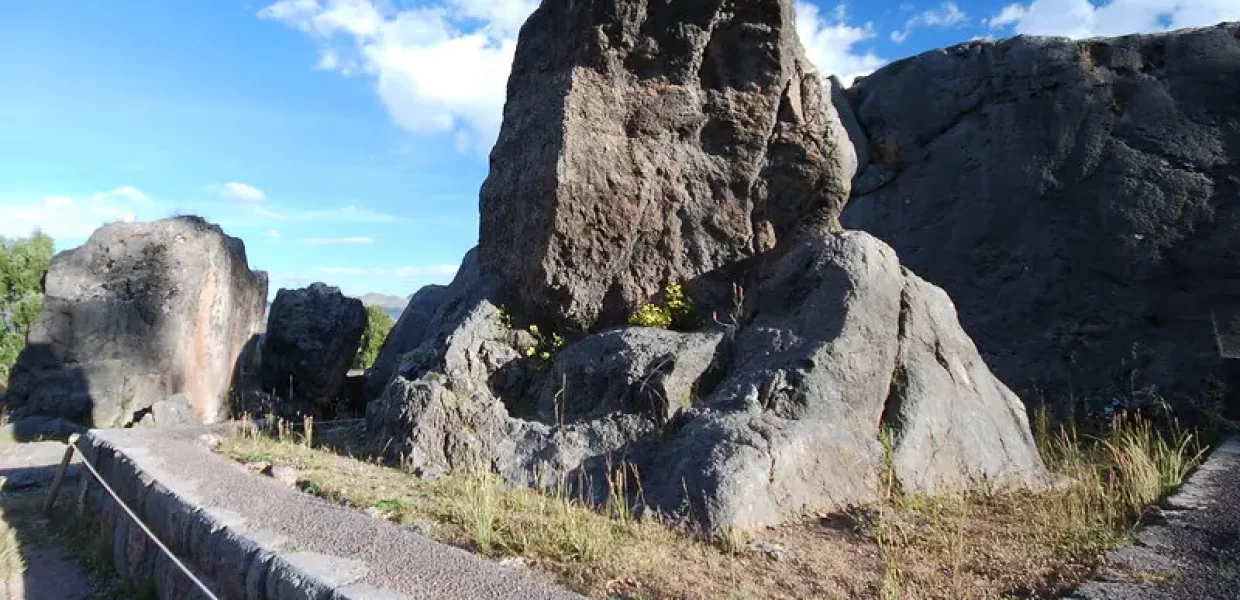
What is Qenqo?
Qenqo is one of the most mysterious and fascinating archaeological sites near the city of Cusco. This Incan ceremonial complex is renowned for its carved stone structures, zigzagging channel, and underground chambers that hint at ancient rituals. The name Qenqo means labyrinth, which accurately describes its intricate passageways and enigmatic rock formations. Scholars believe that this site played a significant role in religious ceremonies, possibly as a kind of astronomical observatory, aligning with important celestial events such as the solstices and equinoxes.
Description
Qenqo is divided into two main areas: Qenqo Grande and Qenqo Chico. The most striking features include:
- A semi-circular amphitheater, possibly used for ceremonies.
- A wall located on the eastern side, thought to be an enclosure for important figures.
- A zigzagging channel carved into the stone, likely used for ritual liquid offerings.
- Underground chambers that may have been used for mummification or sacred rituals.
- The Intihuatana and astronomical observatory, an area where Incas measured time using the rays of the sun.
These elements highlight Qenqo’s importance as a ceremonial and astronomical center in the Inca Empire.

Where is Qenqo Located?
It is situated on Socorro Hill, approximately 4 km (2.5 miles) from the city of Cusco, Peru. It is part of the Sacsayhuamán archaeological circuit and is often included in the City Tour offered to visitors. Its location provides stunning views of the Andean landscape and a deep connection to the Sacred Valley. The site sits at an altitude of approximately 3,580 meters (11,745 feet) above sea level, making it important for visitors to take precautions against altitude sickness.
How to Get to Qenqo?
There are several ways to reach Qenqo from Cusco:
- By Tourist Bus: Many tour operators include Qenqo in their City Tour, which also covers Sacsayhuamán, Puka Pukara, and Tambomachay.
- By Public Transport: Take a bus heading towards Sacsayhuamán and walk a short distance.
- By Taxi: A more convenient but slightly expensive option is to take a taxi directly from Cusco.
- On Foot: Adventurous travelers can enjoy a scenic hike from Cusco, which takes around 45 minutes.
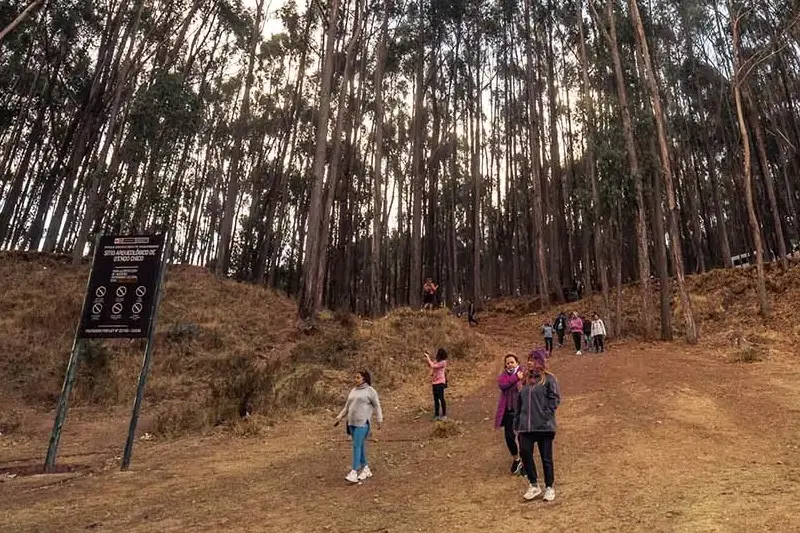
Visiting Qenqo: What You Need to Know
To visit it, you will need a Tourist Ticket, which grants access to several archaeological sites around Cusco. Tickets can be purchased at official tourist centers in the city. The site is open daily, and the best time to visit is early morning or late afternoon to avoid crowds.
Frequently Asked Questions
What are the main attractions of Qenqo?
Visitors are drawn to its remains of high walls, the zigzagging channel, and its function as a kind of astronomical observatory. The site also offers a fascinating glimpse into Incan religious practices.
When is Qenqo open?
It is open year-round. However, visiting hours are typically from 7:00 AM to 5:30 PM. It is advisable to check for any seasonal changes or restrictions before planning your visit.
Why was Qenqo important to the Incas?
It played a crucial role in Incan ceremonies, particularly those related to astronomy and the solstices and equinoxes. The alignment of its structures with celestial events suggests its function as an Intihuatana and astronomical observatory.
Is Qenqo included in the City Tour?
Yes, it is a common stop in the City Tour, which covers key archaeological sites in Cusco. This tour is an excellent way to learn about Incan history while exploring significant locations.


