

San Sebastián Festival – January 20th
Contents
- 1. What Is the San Sebastian Festival?
- 2. Who Was Saint Sebastian?
- 3. Where and when is the San Sebastian Festival celebrated?
- 4. The Cultural Significance of the Festival
- 5. Highlights of the San Sebastian Festival
- 6. How Locals Prepare for the Festival
- 7. Photography and Artistry
- 8. How to Attend the San Sebastian Festival
- 9. Best Time to Arrive
- 10. Responsible Tourism During the Festival
- 11. Beyond the Festival: Exploring San Sebastian and Its Heritage
- 12. Comparing San Sebastian Festival to Other Festivals in Cusco
- 13. Why You Should Experience the San Sebastian Festival
Every January, the district of San Sebastian in Cusco, Peru, becomes the stage for one of the most colorful and deeply rooted traditional celebrations in the Andes: the San Sebastian Festival. This Catholic festivity, infused with Inca cultural elements, music, dance, devotion, and gastronomy, is a must-see event for anyone interested in Peruvian culture.
In this complete guide, you will learn everything you need to know about the San Sebastian Festival—its origins, spiritual meaning, key events, how to participate, and why it continues to attract thousands of people from across the country and beyond.
What Is the San Sebastian Festival?
The San Sebastian Festival is a religious and cultural celebration held annually around January 20 in honor of Saint Sebastian, the patron saint of the San Sebastian district in the province of Cusco.
This vibrant festival blends Catholic tradition with Andean customs, creating a unique experience that reflects centuries of religious syncretism. The celebration includes massive processions, traditional dances, music ensembles, and gastronomic fairs, all carried out in a festive and highly spiritual atmosphere.
Who Was Saint Sebastian?
Before understanding the festival, it is important to know who Saint Sebastian was. He was a Christian martyr from the Roman Empire who was sentenced to death for his faith. According to legend, he survived an execution by arrows and was later beaten to death.
Over time, Saint Sebastian became a symbol of resistance, faith, and divine protection, especially against illness and war. In the Andes, he is venerated not only as a Christian saint, but also as a spiritual protector of communities, often seen as a mediator between the Catholic God and Pachamama (Mother Earth).
Where and when is the San Sebastian Festival celebrated?
The San Sebastian Festival is celebrated primarily in the San Sebastian district, located about 5 kilometers southeast of Cusco’s Plaza de Armas. The main day of celebration is January 20, but preparations and pre-festivities often begin a week earlier and extend a few days beyond the official date.
The celebration takes place in and around the Parish of San Sebastian, a beautiful colonial church that houses the revered image of the saint.
The Cultural Significance of the Festival
The San Sebastian Festival is much more than a religious celebration. It represents:
-
The fusion of Indigenous and Spanish beliefs
-
The reaffirmation of community identity
-
A form of spiritual cleansing and protection
-
A platform for artistic expression through dance and costume
-
An occasion for social cohesion and family reunion
In many ways, this festival is a living example of how Peruvian communities maintain their cultural memory and spiritual resilience through celebration.
Highlights of the San Sebastian Festival
1. The Procession of Saint Sebastian
The heart of the festival is the grand procession of the image of Saint Sebastian, which is carried through the streets of the district on a beautifully adorned anda (wooden platform). It is a deeply emotional moment for many residents.
The procession is accompanied by bands, dancers, fireworks, and flower petals, as thousands of people follow the image praying, singing, and expressing devotion.
2. Traditional Dances (Danzas Típicas)
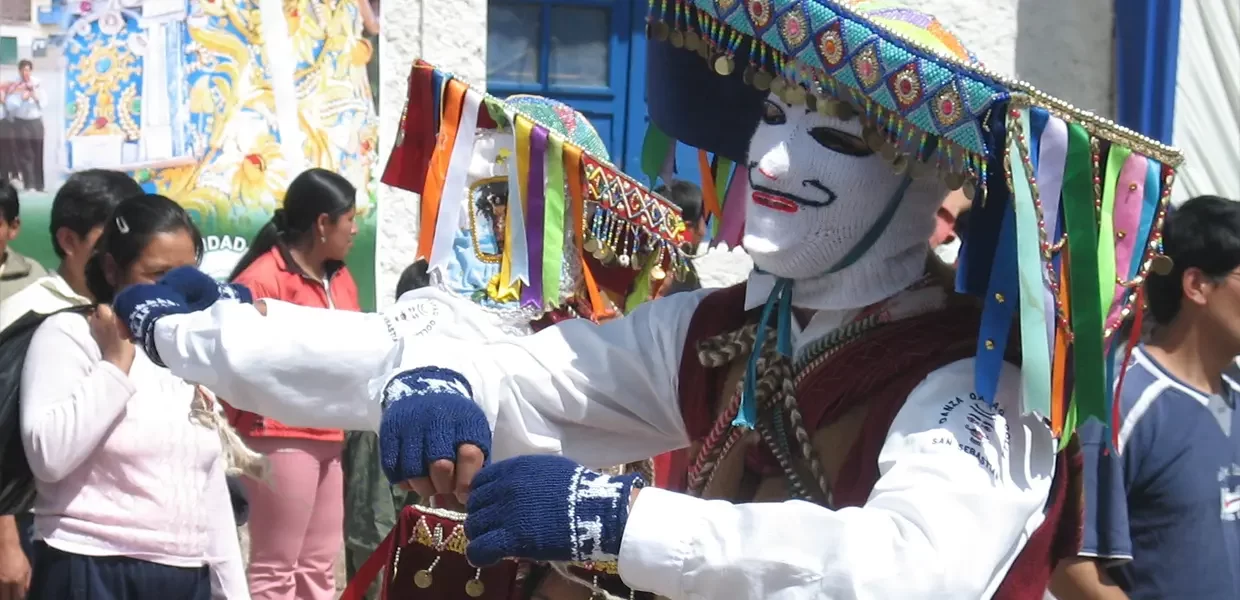
Dozens of folk dance groups, known as comparsas, perform choreographed routines wearing vibrant traditional outfits. These dances are not only artistic expressions, but also offerings to the saint.
Some of the most popular dances include:
-
Qhapac Qolla: Representing highland merchants from Puno
-
Qhapac Negro: A tribute to African heritage
-
Chunchos: Warrior dances symbolizing protection
-
Saqras: Mischievous demon-like figures that represent temptation and chaos
Each dance carries symbolic meaning, blending Catholic iconography with Andean mythology.
3. Gastronomic Celebrations
Like many Peruvian festivals, the San Sebastian Festival is also a feast for the senses. During the celebration, families prepare large meals and offer traditional dishes to relatives, dancers, musicians, and neighbors.
Popular dishes include:
-
Lechón al horno (roasted pork)
-
Tamales
-
Chiri Uchu (cold dish with corn, guinea pig, seaweed, and cheese)
-
Adobo Cusqueño (pork stew with bread and chicha)
-
Chicha de jora (fermented corn drink)
If you attend the festival, you will be invited to eat, drink, and share with locals—an act of community and gratitude.
4. Masses and Religious Rituals
Several masses are held during the week of celebration, with the most important being the solemn mass on January 20. It is often attended by local authorities, priests, and representatives of neighboring districts.
Many people also attend the vigil the night before, lighting candles and offering prayers for health, prosperity, and protection.
How Locals Prepare for the Festival
Preparation begins months in advance. Each year, different mayordomos, or sponsors, are chosen to organize the celebration. These individuals or families take on the responsibility of financing and coordinating various aspects of the festival, such as:
-
Costumes for dancers
-
Hiring musicians
-
Organizing processions and food
-
Offering gifts to the community
Being a mayordomo is a great honor and a public demonstration of faith and social status.
Photography and Artistry
If you are a photographer or artist, the San Sebastian Festival is a visual treasure. The intricate costumes, expressive faces, golden decorations, and intense moments of spirituality provide endless material for documentary work.
However, always be respectful. Ask for permission before taking close-up portraits, especially of elders or spiritual leaders. Most people are proud to share their culture, but consent is key.
How to Attend the San Sebastian Festival
Getting There
From Cusco’s historic center, you can reach San Sebastian by:
-
Taxi: Around 10 to 15 soles; a 15-minute ride
-
Public transport: Buses or combis labeled “San Sebastian”; fare around 1 sol
-
Walking: About 45 minutes, though not recommended during the busiest days due to crowds
What to Bring
-
Comfortable walking shoes
-
Sunscreen and a hat
-
A small offering or candle (if participating spiritually)
-
Cash (many local vendors do not accept cards)
-
A light jacket (weather can change quickly)
Best Time to Arrive
The main procession usually begins around 10:00 AM on January 20, but crowds form early. To find a good viewing spot, it is best to arrive by 8:00 AM. Dancers and comparsas start performing even earlier near the church.
If you want to attend the vigil or religious masses, consider visiting on January 19 in the evening.
Responsible Tourism During the Festival
As a visitor, you are welcomed with warmth and openness, but it is important to respect the sacred nature of the festival. Here are a few guidelines:
-
Do not interrupt processions or dances for photos
-
Do not enter the church with large backpacks or loud devices
-
Be discreet if observing sacred rituals or offerings
-
Support local artisans and food vendors
Your respectful presence helps sustain the celebration and preserves its authenticity for future generations.
Beyond the Festival: Exploring San Sebastian and Its Heritage
The district of San Sebastian is more than just a festival site. It is one of the oldest colonial areas of Cusco, with:
-
A stunning baroque church filled with colonial art
-
Nearby ruins and archaeological sites
-
Traditional markets selling crafts and regional produce
-
Quiet streets and a slower pace than the city center
If you have time, spend an extra day exploring the area. It is less touristy than downtown Cusco and offers an authentic view of daily Andean life.
Comparing San Sebastian Festival to Other Festivals in Cusco
| Festival | Date | Focus | Crowd Size | Cultural Intensity |
|---|---|---|---|---|
| San Sebastian | January 20 | Religious and folkloric | Local + some tourists | High |
| Corpus Christi | May or June | Catholic and ceremonial | High | Very high |
| Inti Raymi | June 24 | Inca heritage and tourism | Very high | High |
| Santurantikuy | December 24 | Artisan fair | Moderate | Moderate |
Each celebration is unique, but San Sebastian stands out for its community-centered focus and strong Andean identity.
Why You Should Experience the San Sebastian Festival
Experiencing the San Sebastian Festival is like stepping into a world where faith, tradition, art, and community blend into a living ritual. It is loud, colorful, sacred, emotional, and—above all—human.
For travelers, it offers a rare opportunity to witness Peruvian culture in its purest form, far from staged performances or touristic spectacles. You will leave with more than photos; you will carry a deeper understanding of how tradition continues to thrive in the heart of the Andes.
Whether you are religious or simply curious, participating in this celebration will stay with you forever.


