

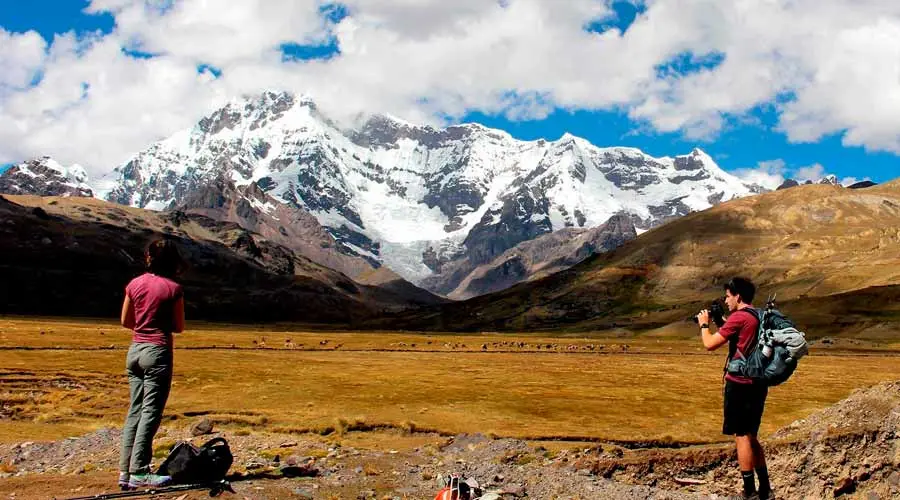
The Ausangate Trek is one of the most stunning adventures in the Peruvian Andes. Before you pack your bags, though, understanding the Ausangate Trek weather is crucial for a safe and enjoyable trip. Whether you’re hiking during the dry season or braving the cold nights, this guide will tell you everything you need to know about the weather on this iconic trek.
Weather Overview for the Ausangate Trek
The Ausangate region is located at a high altitude, ranging from 4,000 to over 5,000 meters above sea level. Because of this, the weather is unpredictable and often extreme. Here’s a breakdown of what to expect:
-
Dry Season (May to September)
The dry season is the most popular time for the Ausangate Trek. Days are sunny and clear, with temperatures ranging from 10°C to 15°C (50°F to 59°F) during the day. However, nights are extremely cold, often dropping to -10°C (14°F) or even lower.
Best for: Stunning views of snow-capped mountains and avoiding heavy rain. -
Wet Season (October to April)
The wet season brings frequent rain and occasional snow, especially at higher altitudes. Daytime temperatures are slightly warmer, ranging from 12°C to 17°C (54°F to 63°F), but the rain makes trails slippery and harder to navigate.
Best for: Adventurers who don’t mind rain and want fewer crowds. -
Temperature Swings
Even in the dry season, temperature changes are dramatic. Mornings and evenings are freezing, while midday can feel quite warm under the intense sun. Dressing in layers is key.
Month-by-Month Weather Breakdown
May to September (Dry Season)
- Daytime: Clear skies, warm sun.
- Nighttime: Freezing temperatures, especially in campsites.
- Pros: Best for photography, stable weather, minimal rain.
- Cons: Crowded trails and very cold nights.
October to April (Wet Season)
- Daytime: Cloudy with rain showers.
- Nighttime: Cold, with occasional snow.
- Pros: Lush landscapes, fewer hikers.
- Cons: Muddy trails and increased risk of landslides.
How to Prepare for Ausangate Trek Weather
-
Pack Proper Clothing
- Layers: Start with moisture-wicking base layers, add fleece or wool for warmth, and finish with a waterproof jacket.
- Accessories: Bring a warm hat, gloves, and thick socks for cold nights.
-
Gear Essentials
- Waterproof hiking boots are a must for both wet and dry seasons.
- A good quality sleeping bag rated for temperatures below -10°C (14°F).
-
Protect Yourself From the Sun
At high altitudes, the sun is strong. Wear sunscreen, a hat, and sunglasses even if it feels cold. -
Stay Hydrated
High-altitude treks can cause dehydration. Carry plenty of water and use a filter to refill along the way.
FAQs About Ausangate Trek Weather
1. What is the best time of year to hike the Ausangate Trek?
The dry season (May to September) is the best time to hike. The weather is stable, and the views are incredible, but prepare for freezing nights.
2. Can I hike the Ausangate Trek in the wet season?
Yes, you can, but expect rain, slippery trails, and possible snow at high altitudes. The wet season is ideal for those seeking solitude and lush green landscapes.
3. How cold does it get at night on the Ausangate Trek?
Temperatures at night can drop to -10°C (14°F) or even lower, especially during the dry season. A high-quality sleeping bag and warm layers are essential.
4. Does it snow on the Ausangate Trek?
Snow can occur year-round at higher altitudes, but it is more common during the wet season. Always check the forecast before starting your trek.