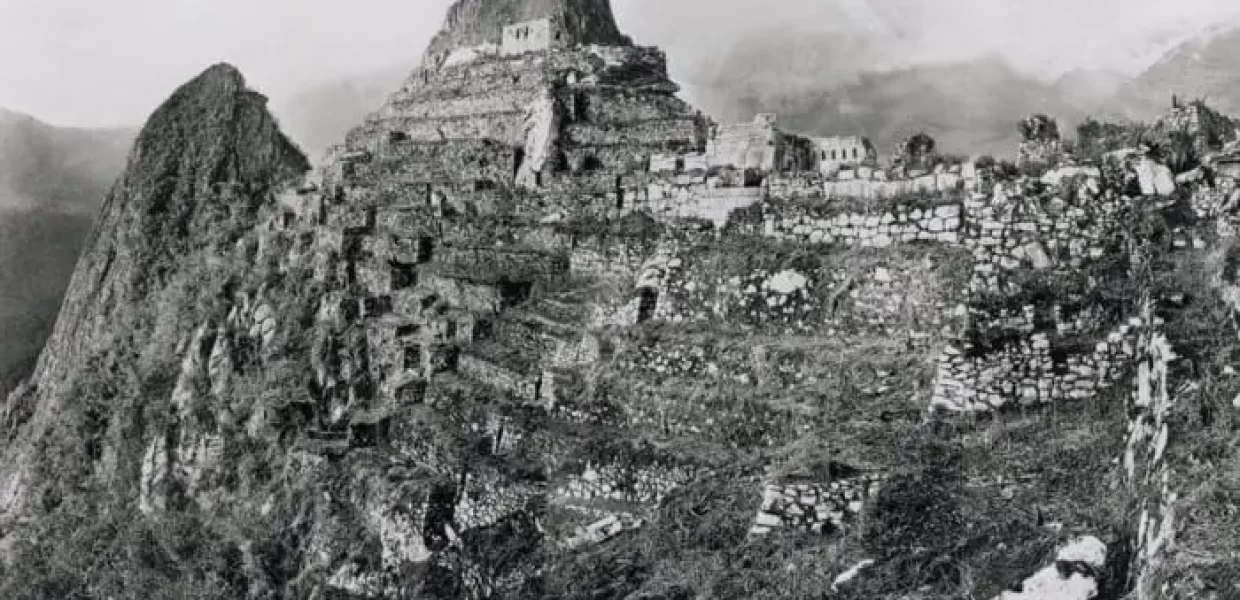
Machu Picchu, often called the Lost City of the Incas, is one of the most fascinating archaeological sites in the world. Nestled high in the Andes Mountains, overlooking the winding Urubamba River, this ancient marvel continues to amaze visitors with its breathtaking beauty and incredible history. But what did Machu Picchu look like when it was first constructed by the Inca civilization? Let’s take a closer look at the iconic site and uncover its secrets.
The City of the Incas: Why Machu Picchu Was Built
Machu Picchu was constructed during the height of the Inca Empire around the 15th century under the reign of Pachacuti, a powerful Inca ruler. Historians believe it served as a royal estate or religious retreat, showcasing the advanced engineering and architectural skills of the Incas.
The site features:
- Agricultural terraces carved into the mountainside, used to grow crops and prevent erosion.
- Stunning Inca ruins, including temples, residences, and ceremonial spaces.
- The Temple of the Sun, an astronomical structure aligned with the solstices.
- The Intihuatana stone, believed to be a sacred sundial.
A Hidden Wonder Rediscovered
After the fall of the Inca Empire due to the Spanish conquistadors, Machu Picchu was abandoned and hidden by the dense jungle for centuries. Its remote location protected it from destruction, preserving it as a pristine historic sanctuary of Machu Picchu.
In 1911, explorer Hiram Bingham was guided to the site by Melchor Arteaga, a local farmer. What he discovered was a city almost untouched by time, earning it recognition as one of the greatest World Heritage Sites.
What Did Machu Picchu Look Like?
Imagine standing on a misty mountain ridge, gazing at stone structures perched on a dramatic landscape. Here’s what makes Machu Picchu and Huayna Picchu so iconic:
The Layout:
The city was divided into urban and agricultural sectors, with finely crafted stone walls and trapezoidal doorways that could withstand earthquakes.
The Terraces:
Rows of agricultural terraces cascade down the slopes, blending seamlessly with the environment. These were designed for farming and to prevent landslides.
Sacred Sites:
The Temple of the Sun and the Intihuatana stone showcase the Incas’ deep connection to astronomy and religion.
Natural Beauty:
Towering above the city is Huayna Picchu, a peak that adds to the mystical aura. The views from here give you a glimpse of what life in the Inca ruins might have looked like.
Why It Remains a Global Treasure
Machu Picchu is not just an ancient city; it’s a symbol of the ingenuity of the Inca civilization. Its harmonious integration with the surrounding landscape and the sustainable practices of the Incas make it a marvel of human achievement.
Declared a World Heritage Site by UNESCO in 1983, it continues to attract millions of visitors yearly, many arriving via the famous Inca Trail.
Frequently Asked Questions
Why is Machu Picchu called the Lost City?
After being abandoned, it was hidden by dense vegetation for centuries until its rediscovery by Hiram Bingham in 1911.
What is the purpose of the Intihuatana stone?
The Intihuatana stone is believed to have been used as a solar clock or a ritualistic object tied to Inca cosmology.
How do you reach Machu Picchu?
Most travelers arrive via train to Aguas Calientes, while adventurers prefer hiking the Inca Trail for an immersive experience.
Did the Spanish conquistadors discover Machu Picchu?
No, Machu Picchu was never found by the Spanish conquistadors, which is why it remains so well-preserved.
Final Thoughts: A Timeless Legacy
Machu Picchu is a testament to the brilliance of the Inca Empire. From its breathtaking location to its intricate Inca ruins, this historic sanctuary continues to inspire awe and curiosity. Its story, from its construction to its rediscovery, reminds us of the resilience and ingenuity of ancient civilizations.