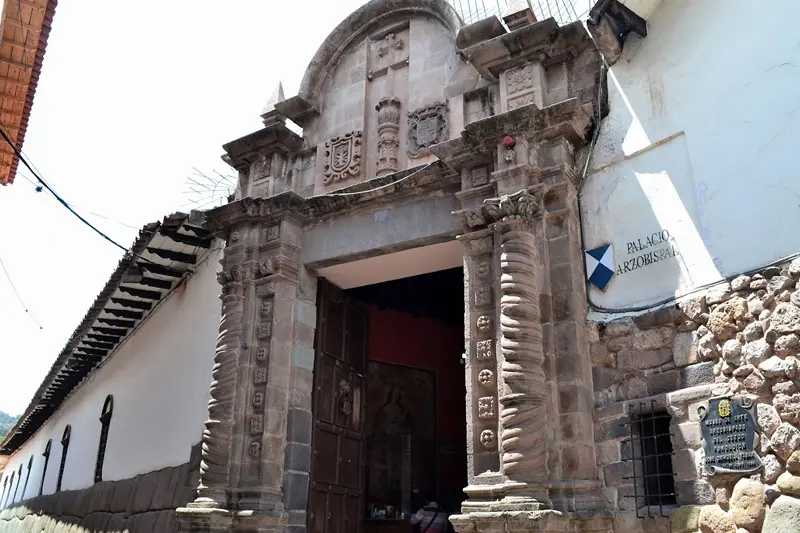
Palace stands as a remarkable architectural and historical landmark in Cusco, Peru, deeply intertwined with the legacy of the Spanish conquest and the grandeur of the Inca Empire.
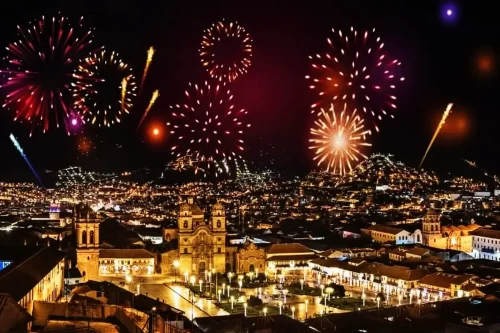
Located in a prime spot near the Plaza de Armas, it showcases a blend of colonial and Incan heritage, offering visitors an insightful journey through centuries of history.
The History and Architecture of This Colonial Treasure
Originally built in the 14th century, the site where this palace stands was once an important Incan structure, possibly linked to the worship of the Sun God. Following the Spanish conquest, the building underwent significant transformations, blending native stonework with colonial-era architecture.
The ornate wooden balconies and baroque-style facades reflect the artistic influences of the colonial period, making it one of the most impressive CA palaces in the region.
This historical site is a testament to the fusion of two distinct cultures, where the solid foundations of the Inca Empire remain beneath layers of Spanish colonial refinement. Its walls, built with precision-cut Incan stones, continue to stand as a reminder of the city’s pre-Hispanic past.
This landmark is one of the finest examples of how the Spanish conquest shaped Cusco’s architectural landscape.
Location: Where to Find This Landmark
Strategically located in the heart of the historic center of Cusco, Peru, it sits adjacent to the Church of Santo Domingo, another essential site for those exploring the remnants of the Incan and colonial past.
Its proximity to the Temple of the Sun, an iconic sacred site of the Inca Empire, makes it a crucial stop for travelers eager to understand the fusion of Andean and European cultures.
As one of the most significant landmarks near the Plaza de Armas, this palace is easy to find and often included in historical tours of Cusco.
Many visitors who come to explore the CA palaces of the region stop here to appreciate the intricate details of its facade while walking through the bustling historic district.
Top Attractions to Explore
Visitors can explore a variety of fascinating exhibits and architectural marvels, including:
Intricate Colonial Balconies: The well-preserved wooden balconies are prime examples of Spanish colonial design.
Historical Art Collections: A display of religious and colonial-era paintings adorns the palace walls.
Blend of Incan and Spanish Architecture: The building incorporates original Incan foundations with Spanish colonial influences, providing insight into the transformation of Cusco’s landscape post-conquest.
Religious and Cultural Exhibits: The site houses artifacts that illustrate the deep spiritual significance of the location, both in the time of the Inca Empire and after the Spanish conquest.
Admission Fees & Opening Hours
The cost of admission varies depending on the season and visitor category:
- General Admission: $10 USD
- Students and Seniors: $5 USD (with valid ID)
- Children under 12: Free entry
Opening hours typically run from 9:00 AM to 6:00 PM, but it is recommended to check in advance, especially during holidays and special events.
Given its historical significance, this site remains a highly visited attraction for those interested in the colonial past and the transformation brought by the Spanish conquest.
Tips for Visiting
For a fulfilling experience, consider the following tips:
- Arrive early to avoid crowds and fully appreciate the exhibits.
- Wear comfortable shoes, as the surrounding area includes cobblestone streets.
- Visit nearby landmarks, such as the Church of Santo Domingo and the Temple of the Sun, to gain a deeper understanding of the region’s cultural significance.
- Hire a local guide to get a detailed narration of its historical importance.
- Take your time exploring the exhibits inside, as they provide valuable insight into the changes brought by the Spanish conquest.