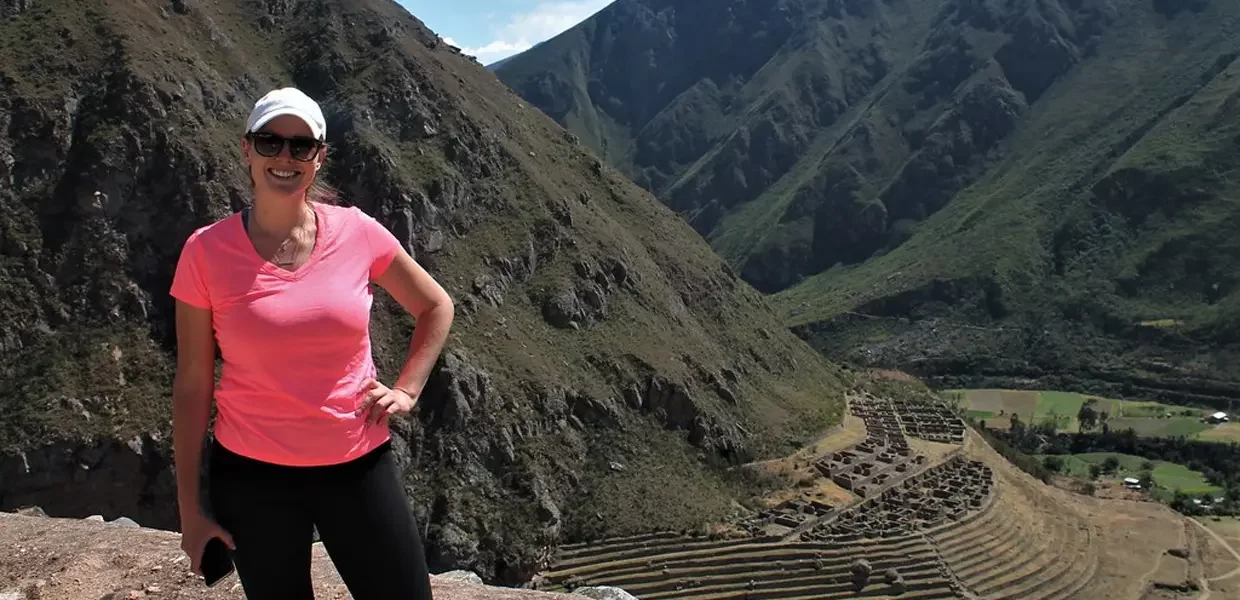
Planning to hike the Inca Trail in November? This month marks a seasonal transition in the Andes, offering a unique experience for those seeking fewer crowds, lush landscapes, and a slightly wetter—but still very doable—trekking season. While the trail remains open, weather conditions begin to shift with the arrival of the rainy season. In this detailed guide, we cover everything you need to know about hiking the Classic Inca Trail to Machu Picchu during November, from climate and altitude to permits and packing essentials.
Why Consider the Inca Trail in November?
Shoulder Season Advantage
November sits on the edge between the dry and rainy seasons in Peru. It’s not as dry as previous months, but it’s also not as wet as December or January. This means:
-
Fewer hikers on the trail
-
More availability for permits
-
Better chances of solitude at key sites
-
Greener and more vibrant vegetation
Open Trail, No Closures
Unlike February, which sees the Inca Trail close for maintenance, November is fully open and operational.
Still Accessible with Proper Gear
As long as you’re prepared for occasional rain, November can be a great time to hike. With good waterproof clothing and the right mindset, the trek is just as magical.
What is the Weather Like on the Inca Trail in November?
Temperature:
Rainfall:
-
November marks the start of the rainy season, with occasional showers, especially in the afternoons and evenings.
-
Trails may begin to get muddy, especially in jungle sections.
Summary:
-
Bring rain gear: poncho, rain jacket, backpack cover
-
Waterproof hiking boots are essential
-
Pack warm layers for night temperatures
What to Expect Day by Day
Day 1: Cusco – Piscacucho (KM 82) – Wayllabamba
Day 2: Wayllabamba – Dead Woman’s Pass – Pacaymayo
-
Climb to Warmiwañusca (Dead Woman’s Pass, 4,215 m / 13,828 ft)
-
Most physically demanding day
-
Long descent to Pacaymayo
Day 3: Pacaymayo–Runkurakay–Phuyupatamarca
Day 4: Phuyupatamarca – Wiñay Wayna – Machu Picchu
Is November a Crowded Month?
No. November is part of the shoulder season, which means
This is ideal if you prefer a quieter, more reflective trek without the heavy foot traffic of the dry season.
Pros and Cons of Hiking the Inca Trail in November
Pros:
-
Easier permit availability
-
Lush greenery and blooming flowers
-
Fewer tourists at Machu Picchu
-
Better deals on tours and accommodations
Cons:
-
Higher chance of rain and slippery trails
-
Wet gear and damp clothes if not well-packed
-
Limited visibility on cloudy days
Packing List for November
Clothing:
-
Quick-dry T-shirts and base layers
-
Long-sleeve shirts (for sun and insects)
-
Waterproof hiking boots
-
Rain jacket and poncho
-
Fleece or thermal jacket for the night
-
Convertible hiking pants
Gear:
-
Rain cover for backpack
-
Trekking poles with rubber tips
-
Reusable water bottle or hydration bladder
-
Dry bags for electronics and clothes
-
Headlamp with extra batteries
Permit Availability in November
One of the advantages of November is that it’s easier to get Inca Trail permits, even on shorter notice. However, you should still:
-
Book at least 1-2 months in advance to secure your preferred dates
-
Use a licensed tour operator, as independent hiking is not allowed
Tips for Hiking the Inca Trail in November
-
Start early each day to avoid afternoon showers.
-
Use trekking poles for added stability on wet sections.
-
Keep rain gear handy—weather can change quickly.
-
Dry out your gear whenever you have a sunny break.
-
Listen to your guide—they’ll adapt the pace and timing to the conditions.
Alternatives if the Inca Trail is Fully Booked in November
In case the Inca Trail is not available in november, consider these treks:
Salkantay Trek
Lares Trek
Inca Jungle Trek
-
Includes biking, ziplining, and hiking
-
Popular among younger travelers
All of these treks end at or near Machu Picchu and offer a rewarding alternative.
Wildlife and Nature in November
The arrival of rain means more vibrant and active ecosystems.
-
You may spot orchids, bromeliads, and other tropical flora
-
Hummingbirds and colorful tanagers are more visible
-
Frogs and other amphibians become more active at night
What Is Machu Picchu Like in November?
The citadel is still open and less crowded than during peak months. Morning fog is common but can lift by midday, revealing stunning views. Be sure to:
Is November a Good Time to Hike the Inca Trail?
Yes, if you are prepared for some rain. The Inca Trail in November offers a peaceful, green, and reflective experience. While the trail may be wetter, the rewards include fewer tourists, easier permit access, and thriving natural scenery. For those seeking a more intimate encounter with the Andes, November can be one of the most beautiful and underrated months to visit.
Whether you’re an experienced hiker or a passionate traveler chasing meaningful moments, the journey to Machu Picchu in November could be your perfect path.
Pack smart, stay dry, and embrace the mystical allure of the Andes in this shoulder season adventure.