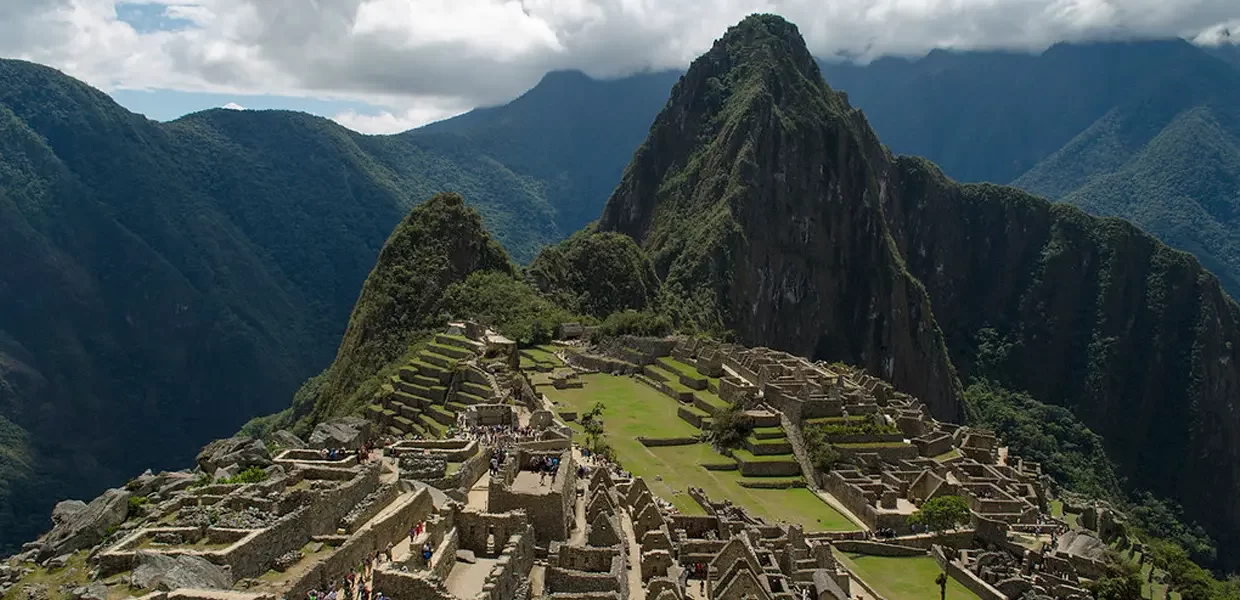
Machu Picchu Mountain

machu picchu in april

Hello, traveler!

The Cusco-Explore team has prepared this blog especially for you.

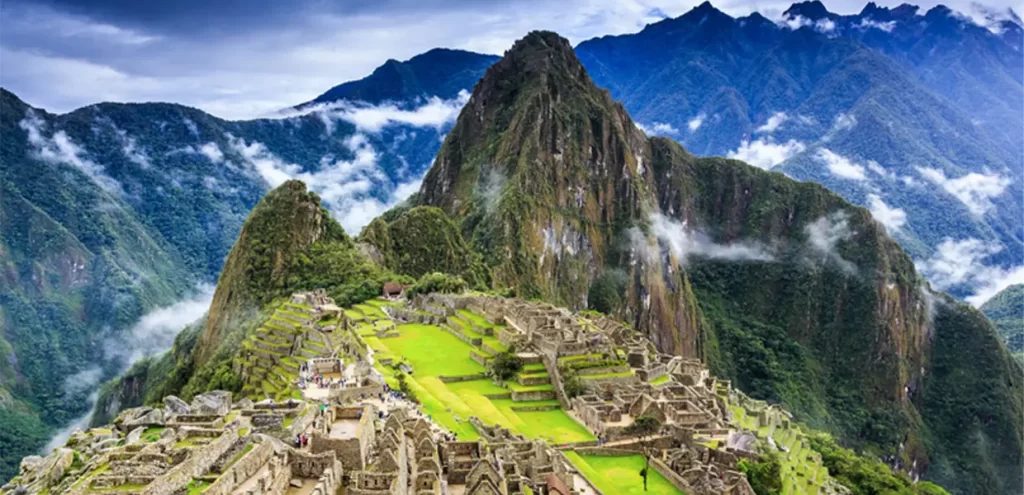
Machu Picchu Mountain stands as one of the most captivating parts of the Machu Picchu archaeological site. At 3,082 meters (10,111 feet) above sea level, this towering peak offers visitors an unforgettable adventure with panoramic views, ancient trails, and an experience steeped in history. For those who want to experience the grandeur of the Inca civilization from new heights, this guide will walk you through everything you need to know about hiking Machu Picchu Mountain.

What Is Machu Picchu Mountain?

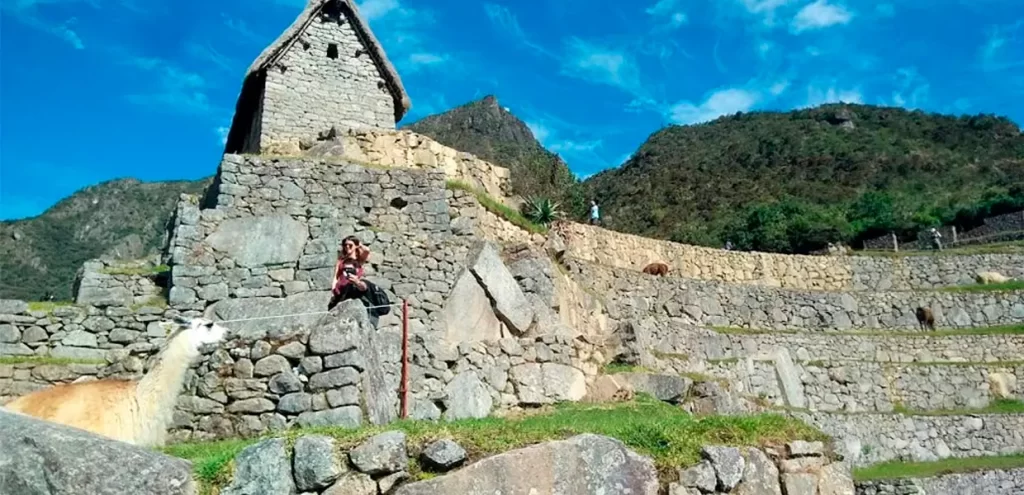
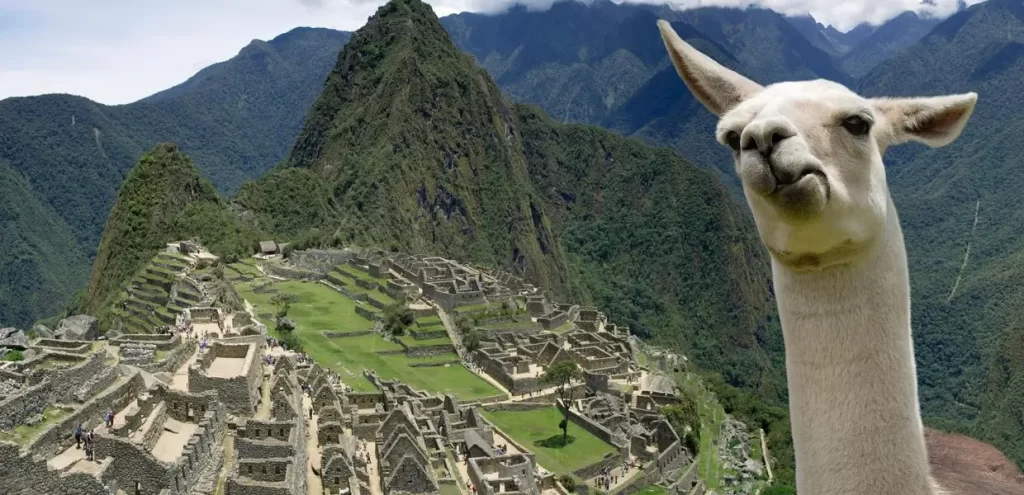
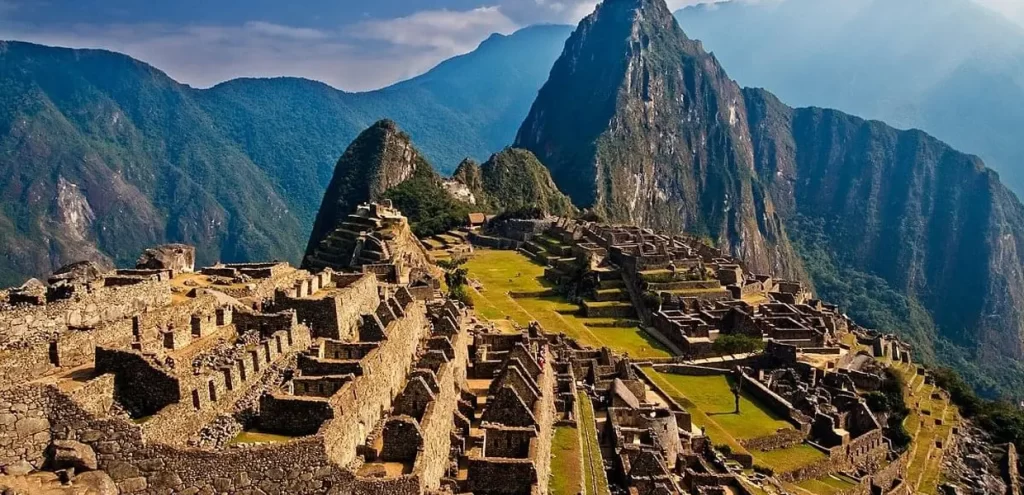
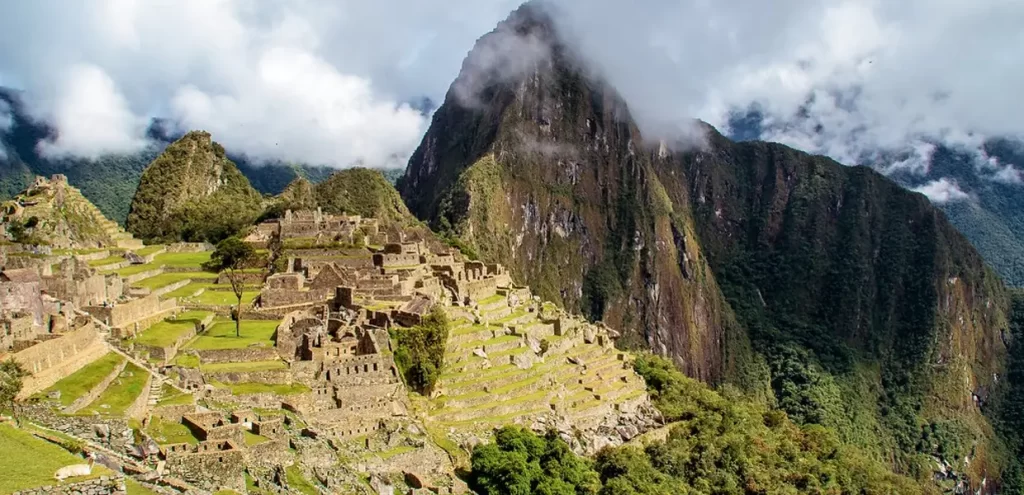
Machu Picchu Mountain is the mountain that rises above the Inca citadel, often confused with the site itself. While Machu Picchu is the ancient city at the base, Machu Picchu Mountain is a separate peak, offering different perspectives and more incredible views of the area. Unlike Huayna Picchu, Machu Picchu Mountain offers a broader view, encompassing the Urubamba River, the surrounding mountains, and the entire Machu Picchu complex below.

Differences Between Machu Picchu and Machu Picchu Mountain

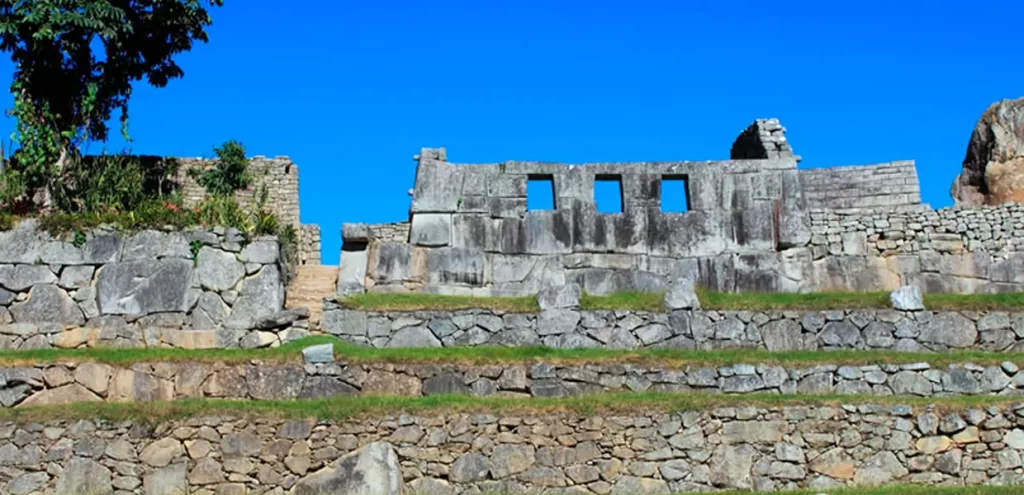
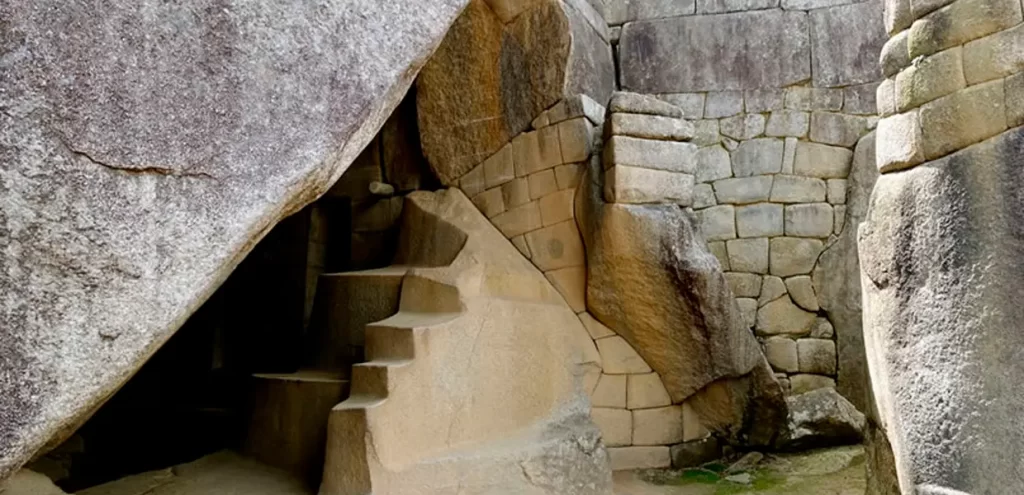
Many people wonder about the difference between the ancient city of Machu Picchu and Machu Picchu Mountain. The Machu Picchu site is the renowned Inca city, while Machu Picchu Mountain is the natural peak overlooking the area. The mountain requires an additional ticket and provides a completely different experience from exploring the archaeological site itself. Hiking the mountain offers travelers panoramic views, while the citadel reveals the architectural genius of the Inca civilization.

Why Visit Machu Picchu Mountain?

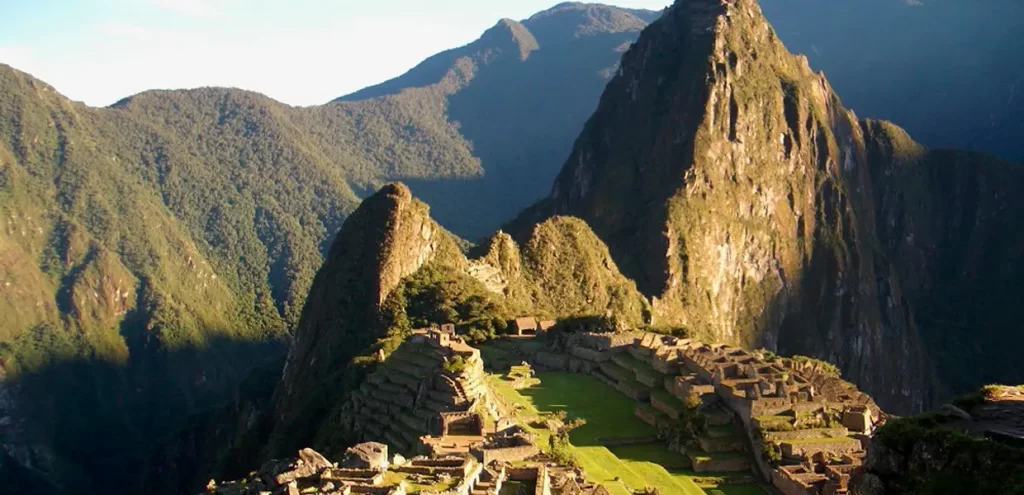
The climb up Machu Picchu Mountain rewards visitors with breathtaking panoramic views of the surrounding landscapes, including the cloud forest, the lush Urubamba Valley, and the striking Andes Mountains. It’s an adventure like no other, ideal for nature lovers and history enthusiasts alike. Hiking the mountain also means experiencing the site without as many crowds, giving you a unique and peaceful perspective of this historical wonder.

When Is the Best Time to Visit Machu Picchu Mountain?

Dry Season

The best time to visit Machu Picchu Mountain is during the dry season, which spans from April to October. In these months, especially from May to September, the weather is more predictable with clearer skies, providing unobstructed views of the surrounding mountains and valleys. April, May, September, and October are particularly popular for their mild weather, making it an ideal time for trekking.

Rainy Season

While the rainy season from November to March can make the trails slippery, it’s still possible to hike during this time. Travelers should come prepared with proper gear, as the rain can make the paths muddy. However, visiting in the rainy season has its advantages too, such as fewer crowds and a more tranquil atmosphere, as the mist can add a mystical aura to the mountain and surrounding landscapes.

How to Get Tickets for Machu Picchu Mountain

Ticket in Advance

Because Machu Picchu Mountain is a popular hike, tickets must be purchased in advance. The ticket allows you access to the mountain trail as well as the main Machu Picchu archaeological site, but not all. You will be allowed to visit just the zipper part, from where you can get the postcard picture of Machu Picchu, but not the urban or religious sector. It’s essential to secure your tickets well in advance—ideally three to four months prior, especially if you’re visiting during peak months like July and August.

The Machu Picchu Mountain Hike

Hiking Difficulty and Duration

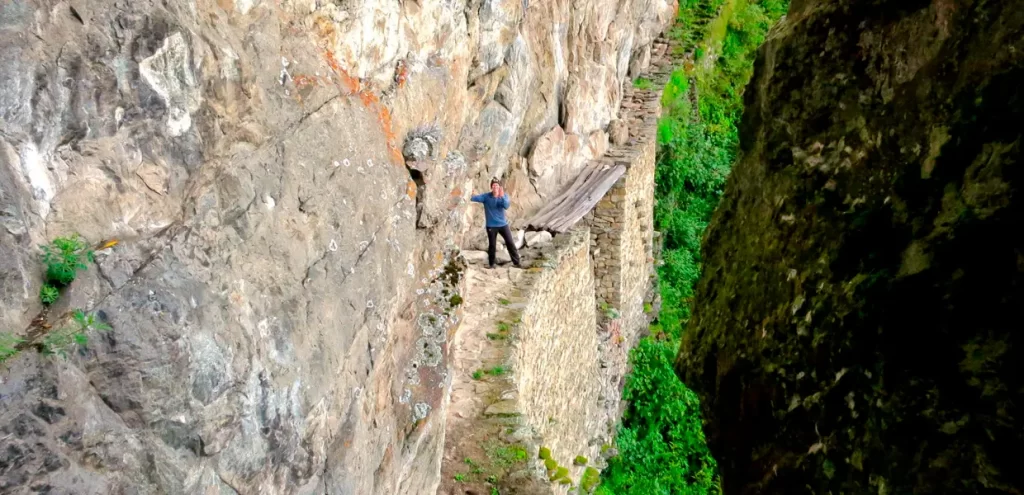
Hiking Machu Picchu Mountain is moderately challenging, with steep and narrow paths that take you up to 3,082 meters above sea level. The hike typically takes around 3 to 4 hours round trip, depending on your pace and fitness level. It’s important to note that while the hike is demanding, it’s generally safe as long as you stick to the designated paths and take precautions against altitude sickness.

Elevation and Altitude Sickness

With an elevation gain of over 600 meters, it’s common for some hikers to experience mild altitude sickness. If you’re not acclimated to the high altitude, it’s wise to spend a few days in Cusco or Aguas Calientes before attempting the hike. Staying hydrated, moving at a comfortable pace, and resting as needed will help you enjoy the experience without feeling overwhelmed.

What to Expect on the Trail

The trail is well-marked, with wooden signs guiding you along the way. The path winds through the cloud forest, offering glimpses of the stunning scenery and the ancient structures below. Once you reach the summit, you’ll be rewarded with breathtaking views of the surrounding mountains, the Urubamba River, and the Machu Picchu citadel itself.

FAQs About Machu Picchu Mountain

How hard is it to climb Machu Picchu Mountain?

While it’s a challenging hike due to the altitude and incline, it’s manageable for those in good physical condition. Beginners can complete it, but it’s essential to take it slow and acclimate to the altitude.

What is the difference between Machu Picchu and Machu Picchu Mountain?

Machu Picchu is the Inca citadel, while Machu Picchu Mountain is a separate peak that offers sweeping views of the archaeological site and surrounding landscapes.

Is Machu Picchu Mountain worth it?

Absolutely! The hike is worth it for those who love panoramic views and a quieter perspective of the site.

Can a beginner hike Machu Picchu Mountain?

Yes, but it’s best for beginners to acclimate to the altitude and take breaks along the way.

How safe is hiking Machu Picchu Mountain?

The trail is safe when you follow the designated paths. However, hikers should be cautious on the narrow sections and take their time.

Where do you sleep when hiking Machu Picchu?

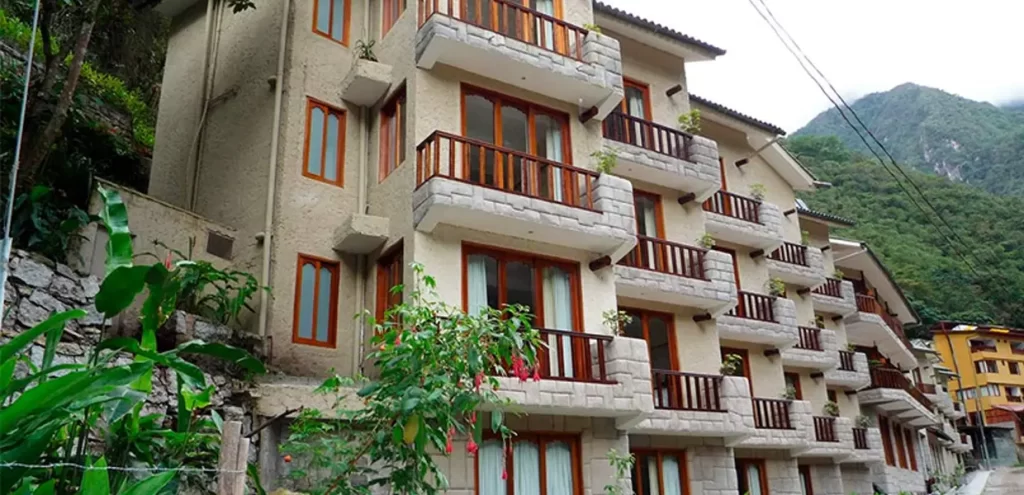
Most hikers stay in Aguas Calientes, a small town near Machu Picchu, which offers various accommodations.

How bad is altitude sickness in Machu Picchu?

Machu Picchu Mountain’s altitude can affect some people. Taking time to acclimate before hiking is key to reducing symptoms.

Practical Tips for Hiking Machu Picchu Mountain

  1. Wear Proper Gear
    Sturdy hiking boots with good traction are essential, especially during the rainy season when trails can be slippery.

  2. Bring Plenty of Water
    Staying hydrated will help prevent altitude sickness and keep your energy up.

  3. Carry Snacks
    A small snack like an energy bar can be a great boost during your hike.

  4. Start Early
    The mountain trail is open from 6:00 am to 10:00 am, and starting early allows you to enjoy cooler temperatures and clear skies.

  5. Check the Weather
    The weather in the Andes can change quickly, so always check the forecast before your hike.

  6. Respect the Site
    Machu Picchu is a UNESCO World Heritage site, so remember to respect the environment and leave no trace.

Machu Picchu Tours

Machu Picchu Blogs