The Temple of the Three Windows stands as one of the most symbolic and mysterious structures within the ancient Inca citadel of Machu Picchu. Set in the sacred plaza, this enigmatic building continues to captivate archaeologists, historians, and travelers from around the world. Whether you’re planning a trip to Machu Picchu or simply exploring the rich legacy of the Inca Empire, understanding the cultural and spiritual significance of this temple enhances the entire experience.
What Is the Temple of the Three Windows?
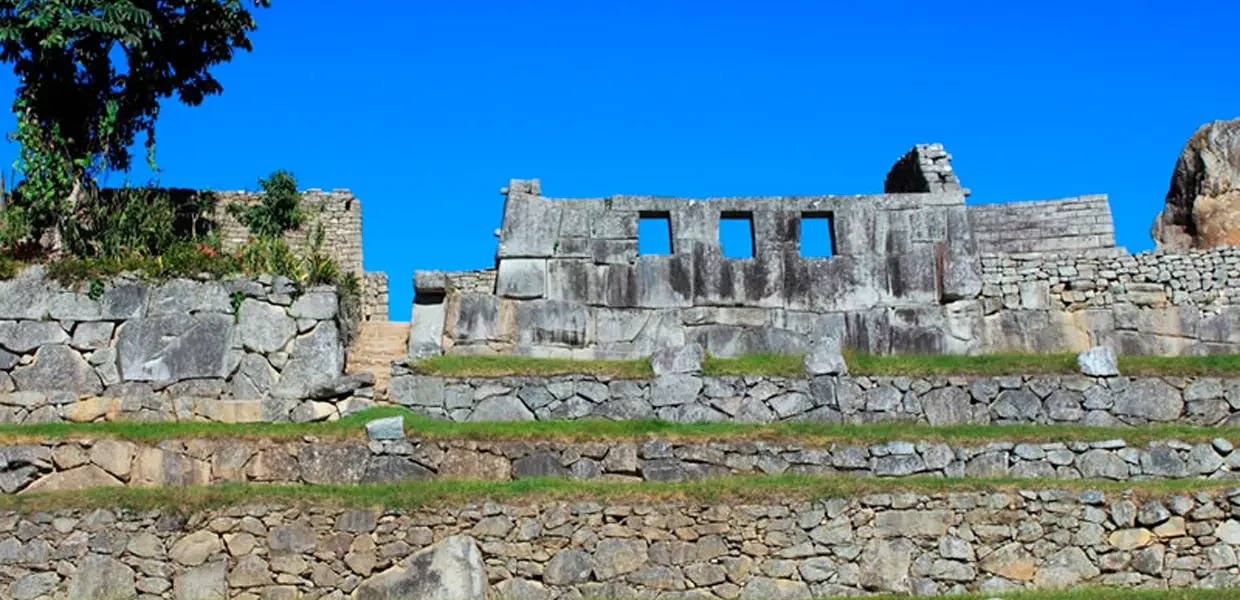
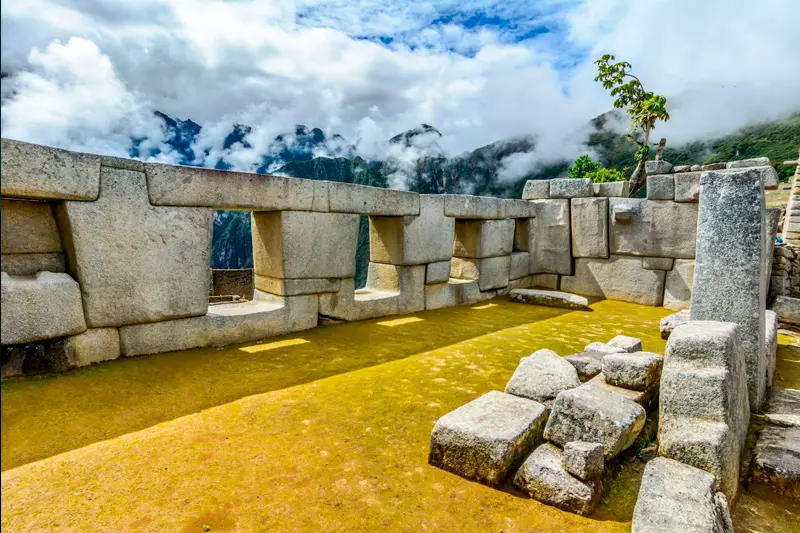
Located in the hanan sector of Machu Picchu, the Temple of the Three Windows is a finely constructed stone building featuring three large trapezoidal windows on its eastern wall. These openings are not merely decorative—they carry deep symbolic meaning in Inca cosmology. The windows represent the three realms of existence in Andean belief: Hanan Pacha (the celestial world), Kay Pacha (the earthly world), and Uku Pacha (the underworld).
Its architectural precision reflects the extraordinary skill of the Incas. The trapezoidal shape of the windows and doors, commonly used in Inca structures, served both symbolic and structural purposes, providing earthquake resistance and representing sacred geometry.
Where Is It Located Within Machu Picchu?
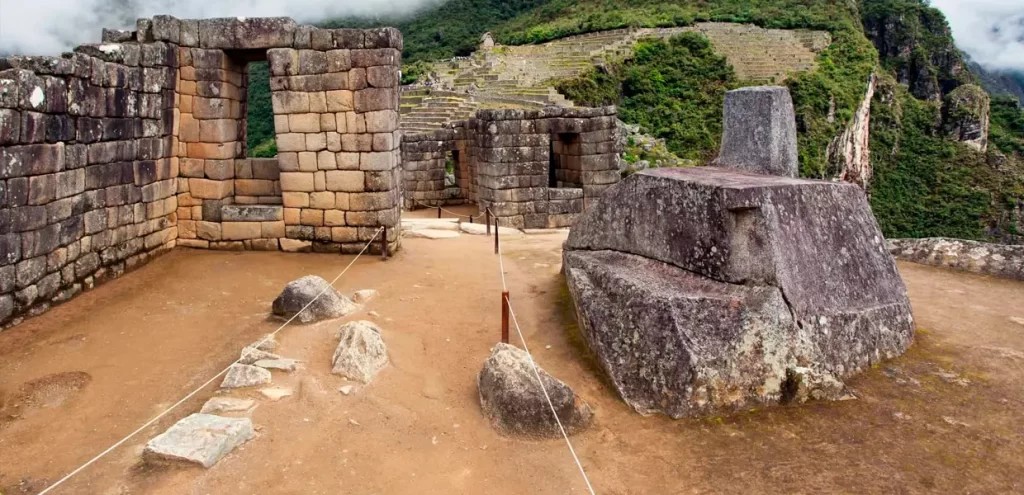
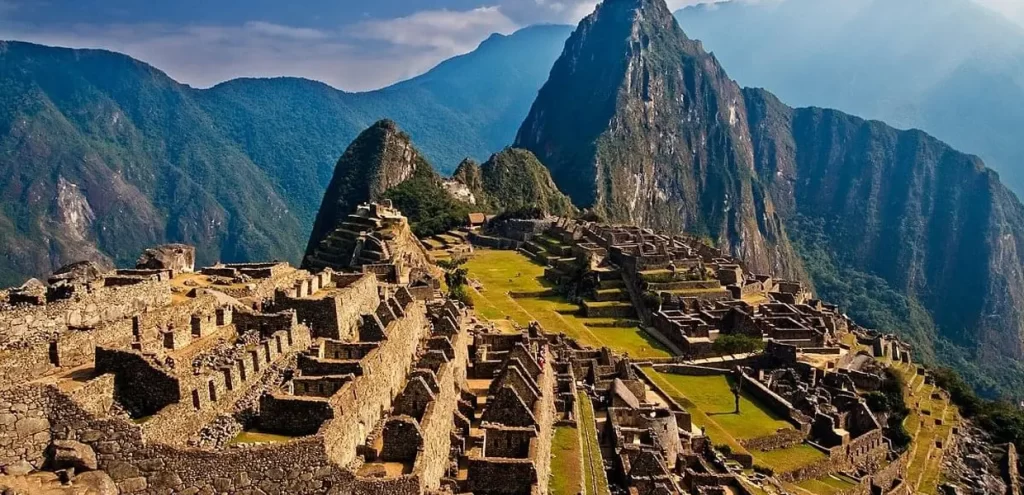
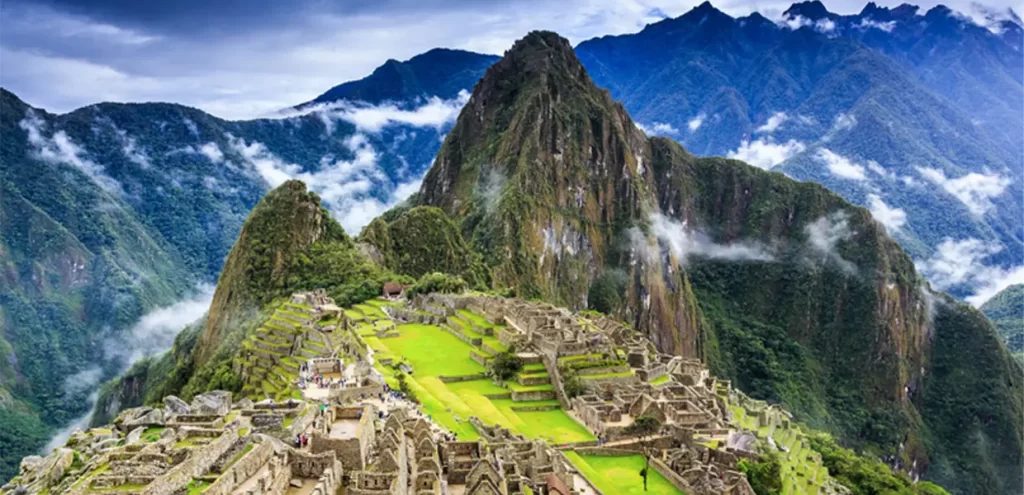
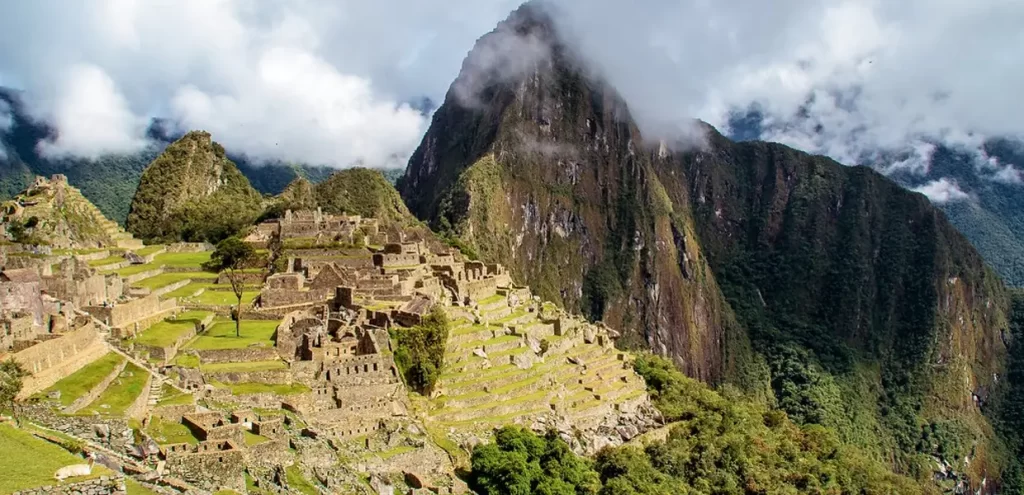
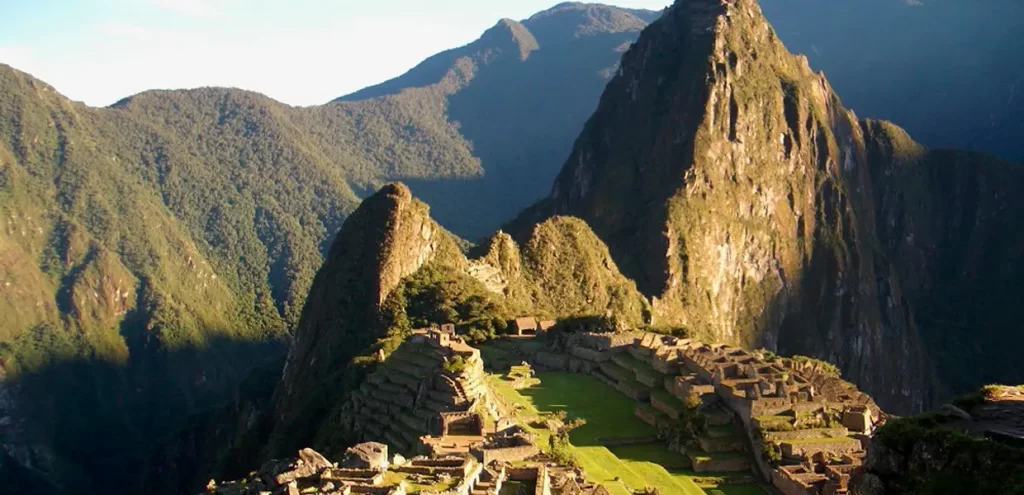
The temple lies in the area of Machu Picchu known as the sacred plaza, a significant ceremonial center that includes other important structures like the Main Temple and the House of the High Priest. This location wasn’t chosen by chance—it aligns with celestial events and offers clear views of the Machu Picchu mountains, including Huayna Picchu and Putucusi.
Facing the rising sun, the temple captures the first morning light, reinforcing its connection to the divine. Its elevated location within the hanan sector signifies its association with Hanan Pacha, the upper world.
The Meaning Behind the Three Windows
In Inca mythology, the three windows are more than just architectural features. According to legend, the Ayar brothers, who were considered the mythical founders of the Inca civilization, emerged from three windows in a sacred cave near Cusco. These windows are believed to be referenced symbolically in the Temple of the Three Windows.
Furthermore, the design invites reflection on the tripartite division of the universe:
Hanan Pacha: the heavenly world, inhabited by gods and celestial beings.
Kay Pacha: the world of the living, where humans interact and thrive.
Uku Pacha: the underworld, home to ancestors and spirits of the past.
These cosmological beliefs played a key role in religious ceremonies held at Machu Picchu, especially in sacred spaces like this one.
What Was the Temple Used For?
Though the exact purpose remains debated, most scholars agree that the Temple of the Three Windows served religious and ceremonial functions. Its placement within the sacred plaza, its fine stonework, and symbolic architecture suggest it was used by high-ranking priests or nobility during rituals.
Ceremonies performed here may have honored the sun, revered ancestors, or important cosmological deities. Given its alignment and views, it likely played a role during solstices and equinoxes, possibly connecting spiritual practice with astronomical events.
Connection to the Inca Worldview
Everything in Inca architecture reflects a deeper worldview. The temple’s symbolism reinforces the interconnectedness of life, death, and the divine. The Incas believed that harmony between the three realms—heavenly world Hanan Pacha, earthly Kay Pacha, and underworld Uku Pacha—was essential for balance and prosperity.
In this context, the trapezoidal windows were more than structural innovations—they were portals to other worlds. The trapezoidal shape also mirrors Inca doorways, gateways meant to signify transitions between physical and spiritual dimensions.
What Role Did the Temple Play in Daily Life?
In a thriving Inca citadel like Machu Picchu, spiritual practices were part of everyday life. It is believed that offerings, prayers, and possibly ancestral communication occurred in the Temple of the Three Windows. The elite may have gathered there for specific rituals tied to agricultural cycles, astronomy, or lineage ceremonies.
Given its prominent location, the temple likely played a central role in defining the religious rhythm of life at Machu Picchu. Travelers arriving on a Machu Picchu tour today still sense the solemnity of the site.
Discovery by Hiram Bingham
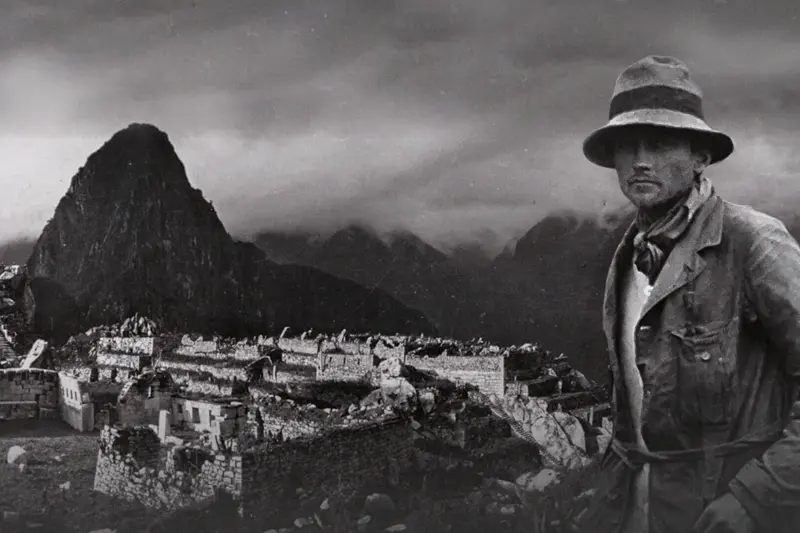
Modern awareness of the Temple of the Three Windows began with the famed American explorer Hiram Bingham, who brought Machu Picchu to international attention in 1911. He described the temple in his writings as “one of the most perfectly constructed buildings in the city,” noting the impressive scale and symmetry of the windowed wall.
Although explorer Hiram Bingham interpreted the site through a Western archaeological lens, his discovery helped catalyze deeper research into the Inca Empire and the site’s spiritual importance.
Significance During a Trip to Machu Picchu
A visit to Machu Picchu wouldn’t be complete without spending time at this temple. Tour guides often stop here to explain the spiritual and historical relevance of the structure. During your trip to Machu Picchu, standing in front of the temple offers a unique chance to connect with the legacy of a civilization that once ruled the Andes.
Looking through the windows, one can see Machu Picchu Mountain, part of the stunning backdrop that includes Huayna Picchu and Putucusi. The placement of these natural features in direct view strengthens the theory that the temple was both a ceremonial space and an observatory.
Architectural Details and Craftsmanship
The construction of the Temple of the Three Windows demonstrates the Incas’ mastery of stonework. Each window was carefully carved from granite, fitted without mortar, and aligned with astonishing precision. The temple has only one wall with openings, while the other three walls are solid—an intentional design choice likely influenced by both practical and spiritual factors.
This level of craftsmanship is found throughout Machu Picchu but is especially evident in ceremonial areas. The symmetry, proportions, and alignment with surrounding mountains reflect a deep understanding of both architecture and the natural world.
Interpreting the Temple Today
Modern archaeologists continue to study the temple of the three windows, proposing theories about its use, design, and evolution. Some argue it was never completed, while others insist it was deliberately designed in its current form. Regardless, it remains a powerful symbol of Inca spirituality and architectural brilliance.
Visitors on a Machu Picchu tour often report feeling a sense of peace and awe in this part of the sacred plaza. Whether you’re a student of history, a spiritual seeker, or an adventurer, the temple invites contemplation and respect.
Cultural Impact and Tourism
In recent decades, the area of Machu Picchu has become one of the most visited heritage sites in the world. The temple of the three windows continues to inspire artists, filmmakers, and writers who see in its form a metaphor for spiritual awakening or cosmic balance.
For tourists, this structure is often one of the most photographed—and rightly so. It encapsulates the majesty of the Inca civilization in a compact, visually stunning form.
Why the Temple of the Three Windows Still Matters?
The Temple of the Three Windows stands as a bridge between ancient wisdom and modern curiosity. It reminds us that the Inca Empire was not only technologically advanced but spiritually profound. Its symbolism, aligned with the Andean triad of hanan pacha, kay pacha, and uku pacha, continues to resonate with people seeking deeper meaning in their journeys.
On your next trip to Machu Picchu, make time to stand in front of those three trapezoidal windows. Imagine the sun rising through them as priests once chanted in reverence to the gods. Let the stories of the Ayar brothers, the energy of the sacred plaza, and the quiet power of the stones remind you that you’re walking in a place where time, space, and spirit converge.