

Machu Picchu, the legendary Inca citadel in the Andes of Peru, holds many secrets. Among its most fascinating yet often overlooked features lies the Royal Tomb of Machu Picchu—a structure rich in symbolism, spiritual depth, and extraordinary craftsmanship. Tucked beneath the majestic Temple of the Sun, this sacred chamber reflects the deep cosmological beliefs and engineering brilliance of the Inca civilization.
But what exactly is the Royal Tomb? Who built it? And why does it continue to captivate historians and visitors alike?
This blog will answer the most common questions surrounding this enigmatic tomb in Machu Picchu, including its discovery, purpose, architecture, and how it fits into the broader layout of this iconic Inca site.
What Is the Royal Tomb at Machu Picchu?
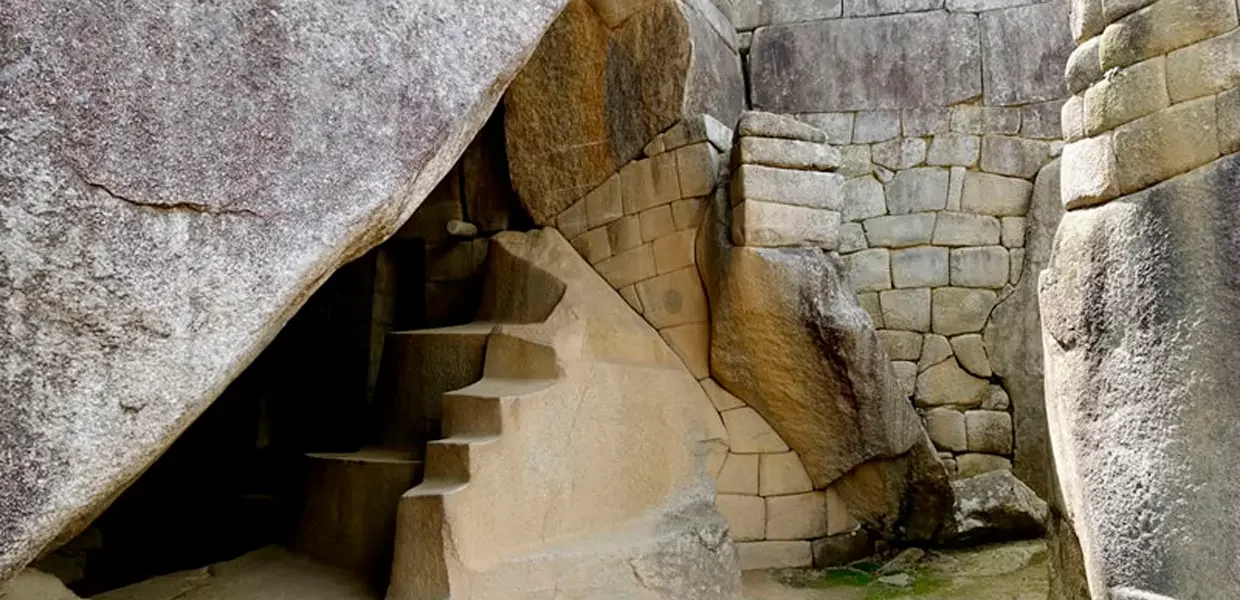
The Royal Tomb is a stone chamber carved into a natural rock formation beneath the Temple of the Sun, one of the most sacred spaces in Machu Picchu. Though commonly referred to as a tomb, no confirmed royal remains have been found inside. Instead, this title reflects the site’s grandeur and its presumed function as a ceremonial space dedicated to high-status individuals—possibly even Inca royalty.
Its carefully carved niches, altars, and stone stairways suggest religious importance rather than mere burial use. The entire structure harmonizes with its natural surroundings, showcasing the Incas’ talent for working with the landscape rather than imposing upon it.
Where Is the Royal Tomb Located?
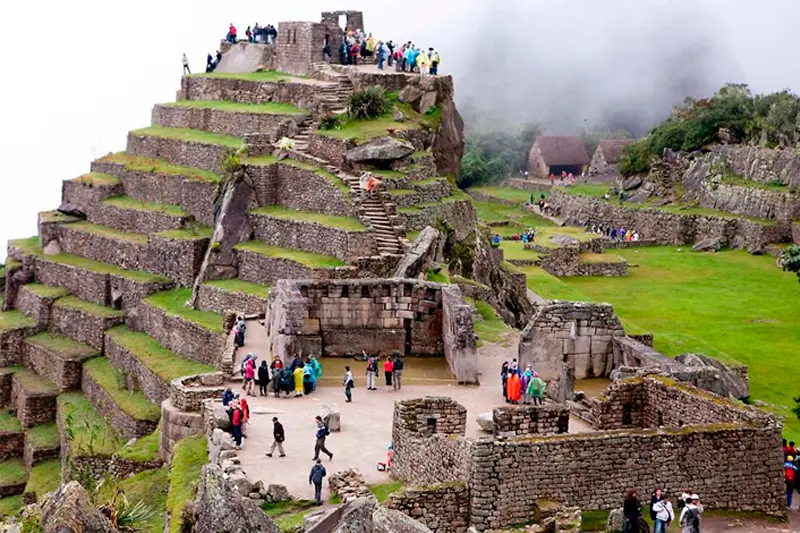
The Royal Tomb is located at the base of the Temple of the Sun, one of the most iconic structures in Machu Picchu. Its entrance lies near the Sacred Plaza, close to other important ceremonial buildings. This strategic placement follows the Incas’ concept of vertical duality: the upper world (represented by the Temple of the Sun) and the underworld (represented by the tomb).
This spatial symbolism was central to Inca cosmology. The alignment of the temple above and the tomb below reflects a worldview in which deities, ancestors, and nature are intimately connected.
Who Discovered the Royal Tomb?
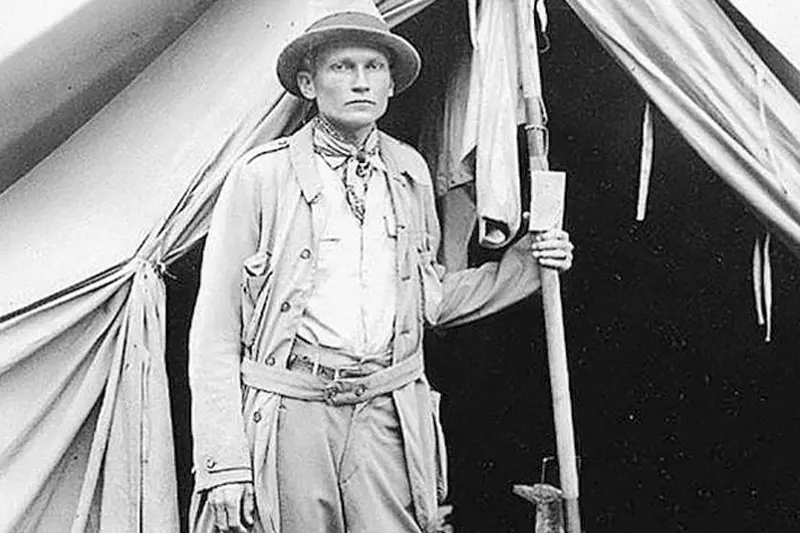
The tomb was brought to international attention by Hiram Bingham, the Yale professor and explorer who “rediscovered” Machu Picchu in 1911. While local Andean communities already knew of the site, Bingham’s documentation and excavations introduced it to the world.
He believed the tomb could have housed the remains of Inca royalty, possibly the great emperor Pachacuti. Although no bones were recovered to confirm this theory, the tomb’s location, design, and connection to sacred structures continue to fuel speculation about its original purpose.
What Makes the Royal Tomb So Unique?
Unlike many ancient burial chambers, the Royal Tomb at Machu Picchu is not merely a sealed crypt. It is a living architectural marvel, designed with extraordinary detail and aligned with religious and celestial principles.
Key features include:
Precisely cut trapezoidal niches possibly used for offerings or mummified remains
A prominent ceremonial platform, resembling an altar, carved into the bedrock
Steps and openings etched directly into the natural rock formation
Architectural orientation that may correspond to solar events, like solstices and equinoxes
This integration of geometry, nature, and religion sets the Royal Tomb apart from other tombs in Machu Picchu, making it a focal point for those interested in Inca spirituality and astronomy.
Was It Really a Tomb?
While the name implies a burial chamber, many archaeologists now believe that the Royal Tomb functioned more as a ceremonial or symbolic space than an actual grave. The lack of skeletal remains, combined with its connection to the Temple of the Sun, suggests a broader spiritual role.
Possible Functions Include:
Ancestor Worship—Inca tradition often venerated ancestors as divine intermediaries. The tomb may have served as a shrine where priests communicated with ancestral spirits.
Cosmic Gateway—Located beneath a solar temple, the tomb could have symbolized the entrance to the Ukhu Pacha, the Inca underworld.
Royal Memorial—Even without a physical burial, the site could have commemorated elite individuals or significant religious events in Inca history.
Ultimately, its purpose remains one of Machu Picchu’s enduring mysteries.
Architectural Genius in Stone
The structure showcases the incredible skill of Inca stonemasons. With no use of modern tools or mortar, they shaped stones so precisely that not even a blade of grass could fit between them. Their deep respect for nature is evident in the way they used the existing natural rock formation as a foundation for the design.
This construction reflects the Inca philosophy of Andean dualism—a belief in harmony between human creation and the natural world. Instead of dominating the environment, they enhanced it.
Relationship to the Sacred Plaza and Temple of the Sun
The Sacred Plaza is the ceremonial heart of Machu Picchu, where spiritual, social, and political life intersected. The Temple of the Sun, perched above the tomb, was dedicated to Inti, the Sun God, the most revered deity in the Inca pantheon.
The Royal Tomb’s placement beneath the temple is far from random. It symbolized the underworld, completing the Inca trinity of worlds:
Hanan Pacha (Upper World)—Gods and stars
Kay Pacha (Middle World)—Humans and living beings
Ukhu Pacha (Underworld)—Ancestors and spirits
The vertical relationship among these three spaces is materialized in the physical layout of Machu Picchu. Nowhere is this clearer than in the connection between the Temple of the Sun, Sacred Plaza, and the Royal Tomb.
Spiritual and Astronomical Symbolism
Like much of Machu Picchu, the Royal Tomb appears to align with specific celestial patterns. The precisely cut windows and platforms may have been used to track the position of the sun during solstices—especially the June solstice, when light enters the Temple of the Sun in a dramatic display.
This solar alignment further reinforces the tomb’s role as a cosmological space, not just a physical structure. The Incas were master astronomers, and their temples, tombs, and plazas often doubled as observatories.
What Can You See Today?
Modern visitors can view the exterior of the Royal Tomb, including the façade, niches, and part of the internal structure. While entry into the innermost areas is restricted to protect the site, its visible components are enough to convey its historical importance.
Guided tours that include deeper insight into Inca architecture and religion often stop here. However, many tourists pass by without realizing what they’re looking at. For a more enriching experience, seek a guide who can explain the tomb’s cultural and spiritual meaning.
Why Does the Royal Tomb Still Matter?
The Royal Tomb is more than just a fascinating Inca site—it is a key to understanding how the Incas viewed life, death, and the cosmos. It shows how architecture, nature, and astronomy were intertwined in their worldview.
In today’s world, where modern design often ignores natural surroundings, the carefully carved harmony between stone and landscape found here offers valuable lessons. The Royal Tomb invites us to consider how we build, what we worship, and how we connect to the past.
Tips for Visiting the Royal Tomb at Machu Picchu
Plan your route: The tomb is accessible via Circuit 2, which includes the Sacred Plaza and Temple of the Sun.
Hire a guide: To fully appreciate its meaning, a knowledgeable guide is highly recommended.
Go early: Visiting in the morning ensures better lighting and fewer crowds.
Bring a camera: While photography of the interior is not allowed, the exterior is stunning in its own right.
Respect the site: This is not just a tourist stop—it’s a sacred place with deep cultural significance.
Final Thoughts: The Royal Tomb’s Lasting Legacy
Over 500 years after its creation, the Royal Tomb Machu Picchu remains a compelling symbol of the Inca civilization. From its location beneath the Temple of the Sun to its masterful integration with a natural rock formation, the tomb encapsulates the Incas’ architectural prowess, spiritual depth, and cosmic understanding.
Whether viewed as a literal burial chamber, a ceremonial shrine, or a metaphysical passage between worlds, the tomb continues to speak to the power and mystery of Machu Picchu.
So next time you explore the ruins, don’t just pass by this carefully carved space. Stand before it. Reflect. And remember that even in stone, the Inca legacy lives on.


