What Are the Maras Salt Mines?
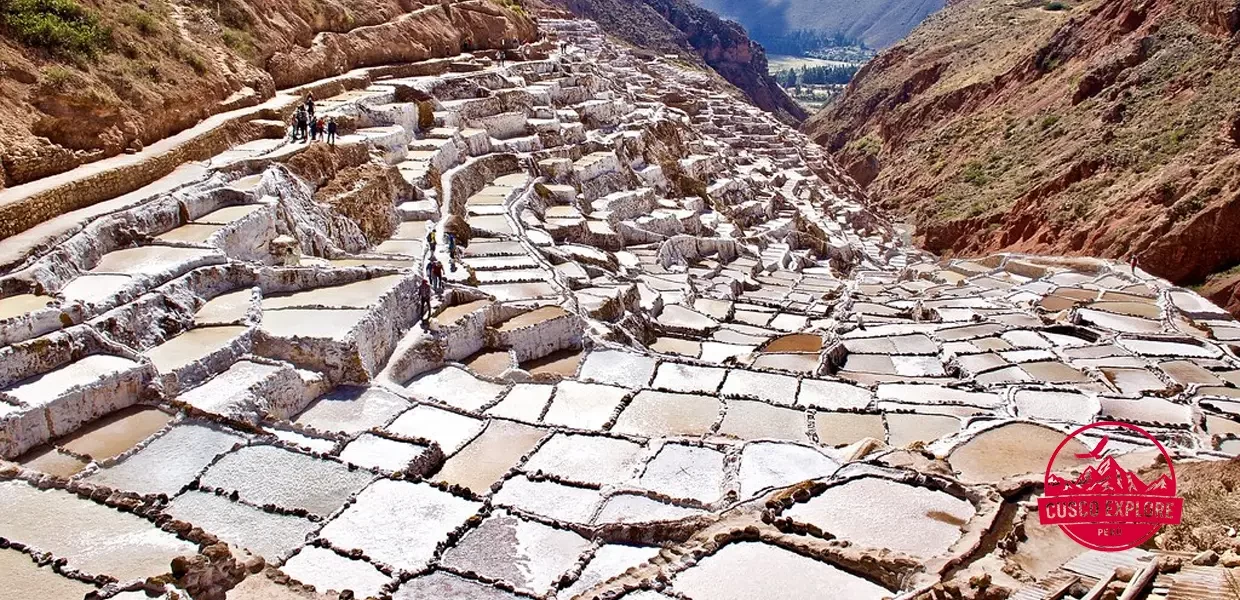
The Maras Salt Mines, also known as the Salineras de Maras, form one of the most visually striking and culturally rich attractions in the Sacred Valley of the Incas. Thousands of shallow pools are carved into a steep hillside, with roots tracing back to pre-Inca civilizations.
A nearby spring continuously feeds salty water into each pool. As the water evaporates, natural salt crystallizes and is then harvested by local families. This salt is prized not only for its mineral content but also for its delicate pink hue, often sold as Marasal sa or pink salt.
Where Are the Maras Salt Mines Located?
You’ll find the Maras Salt Mines perched at about 3,380 meters above sea level, on the slope of Qaqawiñay mountain. They sit between the town of Maras and Pichingoto village, offering panoramic views of nearby archaeological sites and the Sacred Valley.
Their proximity to Cusco makes them a popular half-day trip for travelers exploring the region.
How Can You Get to the Maras Salt Mines?
Reaching the Salt Mines on a Tour
Booking a Sacred Valley tour remains the most efficient and informative way to reach the Maras Salt Mines. These tours usually include transport, guides, and stops at cultural landmarks. Local guides explain salt-harvesting techniques and the ongoing role of peasant communities in preserving the site.
Visiting on Your Own
Independent travelers often take a bus or taxi to the town of Maras, followed by a short walk or ride to the mines. Some also hike or bike from nearby areas to enjoy the scenery en route.
Exploring on your own offers freedom, though you might miss out on historical insights provided in guided Maras tours.
Who Manages the Maras Salt Mines Today?
Local families from the communities of Maras continue to operate and maintain the salt pans. Each family owns several pools and follows traditional methods passed down for generations.
They control water flow, maintain channels, and rake the salt-filled basins by hand. Their dedication keeps this ancient industry alive while supporting local economies.
What Makes Maras Salt Unique?
Unlike heavily processed table salt, the salt from Maras contains a natural blend of minerals. The salty water originates from underground sources, and exposure to strong Andean sun speeds up evaporation.
The result is a pure, mineral-rich natural salt with a slightly earthy flavor. Its distinctive pink tint makes Marasal sa a popular souvenir and a gourmet ingredient around the world.
When Is the Best Time to Visit the Maras Salt Mines?
The dry season, from April to October, is ideal. Clear skies make the salt pans shine brightly, creating ideal photography conditions.
If you visit during the rainy season (November to March), expect muddy trails but fewer tourists. The contrast of white salt and green hills adds visual interest despite occasional showers.
What Can You Expect During a Visit?
Visitors walk along narrow paths overlooking thousands of salt pans. Signs in English and Spanish explain the process, and observation points provide excellent photo opportunities.
Shops at the entrance sell Marasal sa, as well as herbal remedies, cosmetics, and locally crafted souvenirs. Most visitors spend about 1–2 hours here, often as part of a larger Sacred Valley route including Moray or Machu Picchu.
Is It Ethical to Support the Salt Mines?
Yes. When you visit the Maras Salt Mines, you help sustain local families who depend on both salt production and tourism. Buying directly from the site supports these communities and their environmentally friendly methods.
These purchases help protect a fragile, ancient economy while enriching your travel experience.
Frequently Asked Questions About the Maras Salt Mines
Are the Maras Salt Mines Still Active?
Yes. Families continue harvesting salt today using ancestral techniques.
Is There an Entrance Fee?
There is a small fee to enter, separate from the Cusco Tourist Ticket. The funds help maintain the site and support local families.
Can I Taste or Buy the Salt Onsite?
Absolutely. Vendors offer samples of pink salt, and you can buy culinary or spa-quality varieties to take home.
Are the Salt Mines Suitable for Kids and Seniors?
Yes, though walking is required. The main paths are flat but bring good shoes and sunscreen due to the altitude.
How Are the Salt Mines Related to Machu Picchu?
Though different in purpose, both reflect Andean ingenuity. Seeing both helps travelers understand how ancient civilizations lived in harmony with nature.