Nestled in the heart of the Sacred Valley of the Incas, Pisac Peru is one of the most culturally and historically rich destinations you can explore near Cusco. Known for its impressive archaeological site, colorful markets, and dramatic mountain landscapes, Pisac is a must-see for anyone wanting to understand the beauty and depth of Inca civilization.
Where Is Pisac Located?
Pisac lies approximately 33 kilometers (about 20 miles) northeast of Cusco. Situated at an altitude of 2,972 meters above sea level, the town overlooks the Urubamba River and is surrounded by soaring Andean peaks. The name Pisac (or Pisaq) comes from the Quechua word “pisaca,” which refers to a type of partridge—a bird believed to have spiritual symbolism in Andean culture.
Because of its strategic location, It served as a significant Incan administrative and military center, protecting the eastern entrance to the Sacred Valley. Its elevated setting makes reaching the top of the ruins both a scenic and meaningful experience.
What Will You Find There?
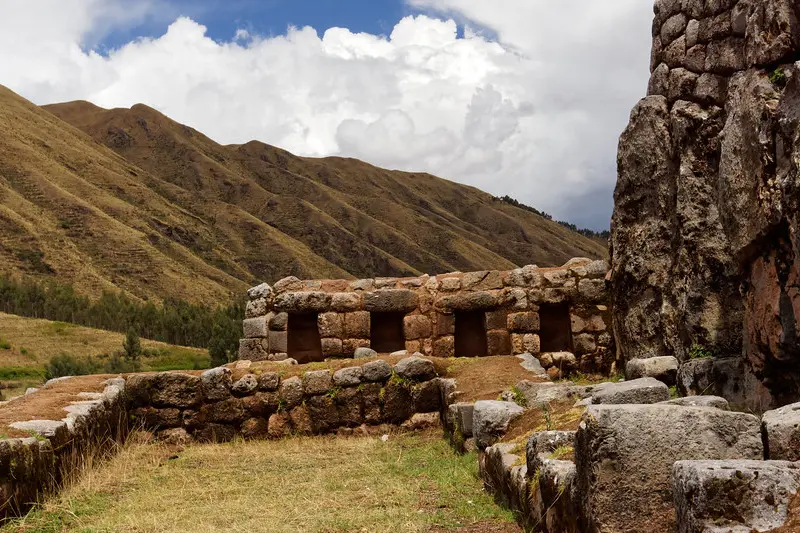
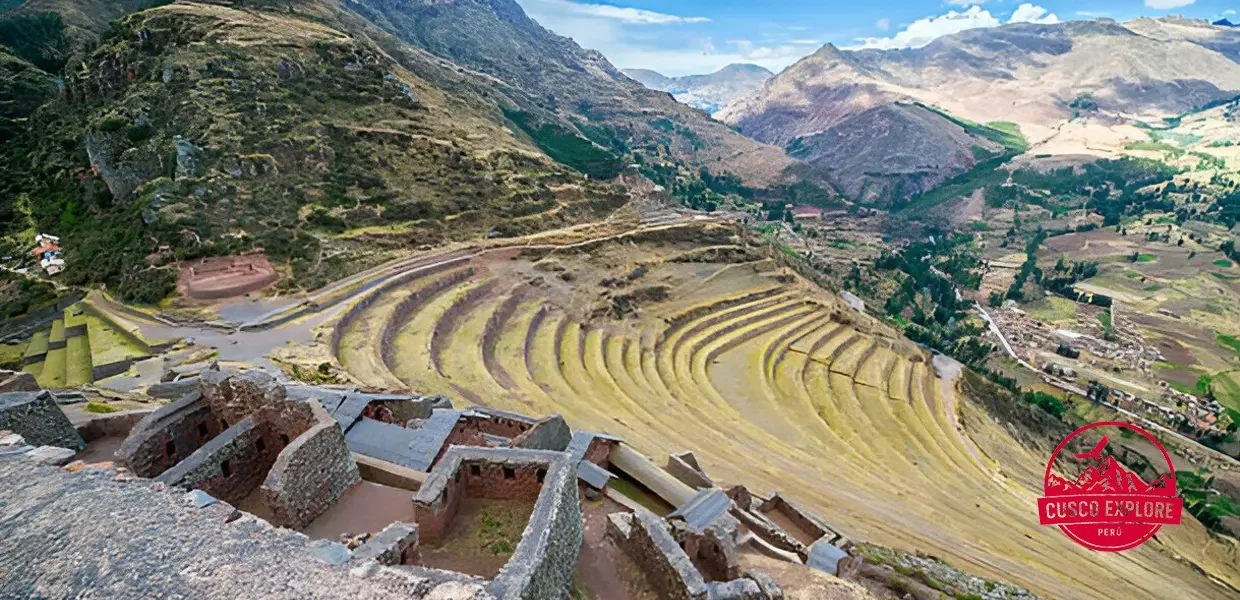
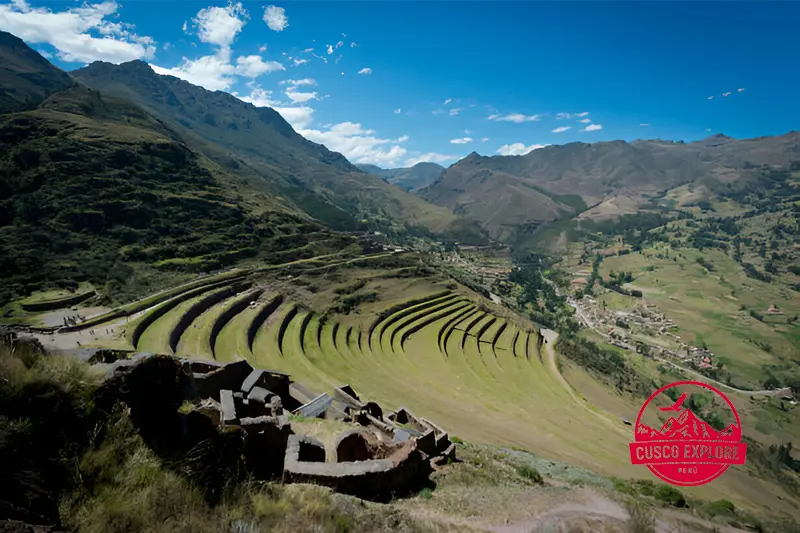
Visitors to Pisac are treated to a blend of history, culture, and breathtaking natural beauty. The highlight is undoubtedly the Pisac archaeological site, an ancient citadel carved into the mountainside. As part of the archaeological park, it features agricultural terraces, ceremonial altars, residential structures, and one of the most extensive Inca cemeteries ever discovered.
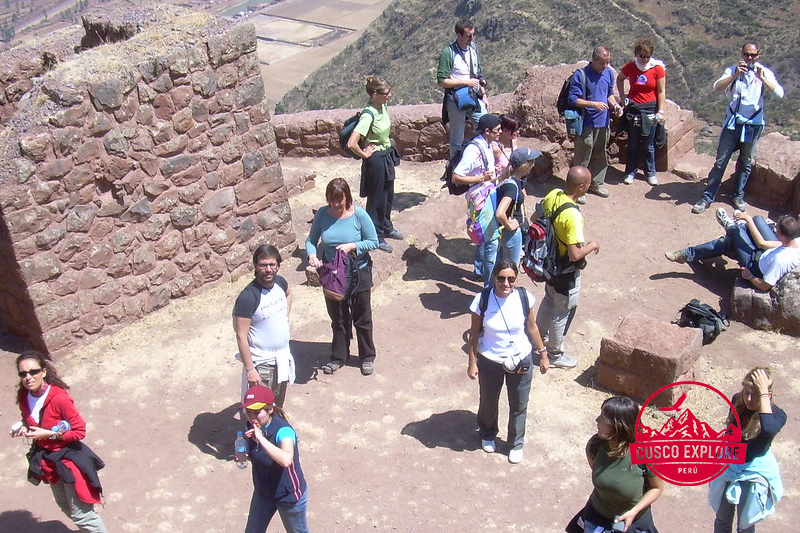
Moreover, travelers can explore the ruins of Pisac along a well-maintained trail that loops through the complex. The walk takes about 15 minutes from the lower ruins to the upper terraces and offers panoramic views of the Sacred Valley. Along the way, you may also see llamas and alpacas grazing near the trail.
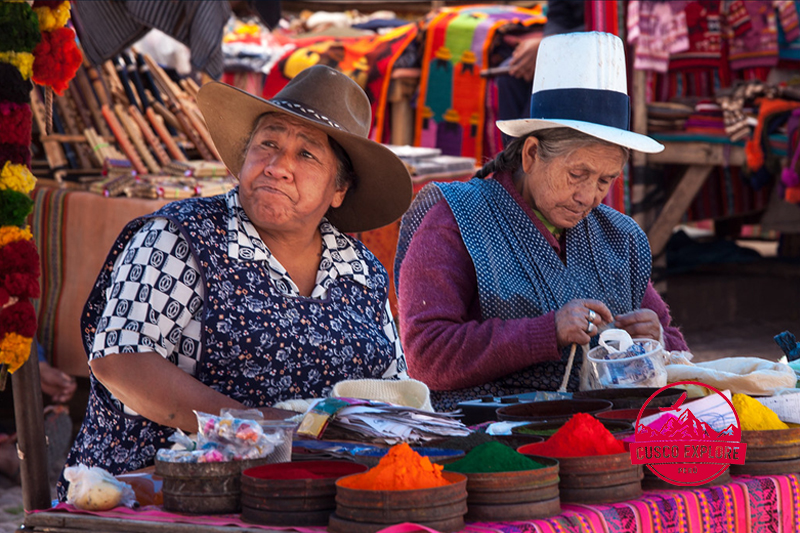
In town, the vibrant Pisac market is another major draw. Located in the main square, it features local artisans selling handmade textiles, silver jewelry, ceramics, and other traditional crafts. It’s one of the top attractions in the Sacred Valley of the Incas, especially on Sundays when the market is at its liveliest.
Botany enthusiasts should not miss the Moreno Botanic Garden, a small but beautiful space that showcases native Andean plant species. It’s a peaceful stop that complements the historical intensity of the archaeological zone.
How Can You Get There from Cusco?
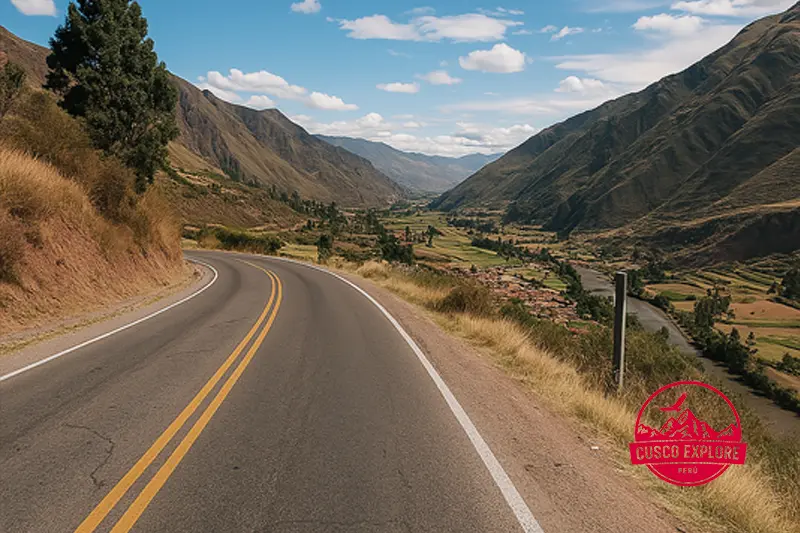
Traveling to Pisac from Cusco is easy and scenic. The drive takes around 45 minutes and winds through the hills with incredible valley views. You can take public transport, hire a private taxi, or—better yet—join a guided Sacred Valley tour.
At our agency, we offer comprehensive Sacred Valley tours that include a visit to This Archaeological site, Ollantaytambo, and often connect to Machu Picchu. Our tours are led by expert guides who provide historical context and cultural insight, making your experience both educational and enjoyable.
By joining our Sacred Valley tour, you also benefit from seamless logistics, including transportation, tickets, and sometimes even lunch. It’s an ideal way to maximize your day while exploring the richness of the Inca heartland.
 What Makes Pisac Special Compared to Other Sites?
Unlike many archaeological locations, Pisac uniquely combines ancient ruins with a thriving modern community. The balance between the old and new makes every visit feel alive and relevant. You can stand on stone terraces built centuries ago and then walk five minutes down to a plaza bustling with contemporary Quechua life.
In addition, It holds great spiritual significance. Many visitors report a sense of peace and energy while walking the archaeological site. Some even compare it to the energy experienced at Machu Picchu. Whether or not you believe in the mystical, there’s no denying the emotional impact of standing atop the ruins and taking in the sweeping views.
Who Was Federico Zamalloa and Why Is He Important to Pisac?
Federico Zamalloa, a notable Peruvian archaeologist, conducted extensive research in the Sacred Valley, including important documentation of the Pisac archaeological park. His work helped shed light on the purpose of the site’s structures, rituals, and strategic location within the Incan Empire. Thanks to scholars like Zamalloa, we now have a better understanding of how Pisac fit into the larger network of Inca civilization.
Can It Be Combined with Machu Picchu?
Absolutely. Many visitors combine Pisac with Machu Picchu by planning a multi-day journey through the Sacred Valley. Pisac typically comes first due to its proximity to Cusco. From there, travelers often continue to Ollantaytambo before boarding the train to Aguas Calientes, the gateway to Machu Picchu.
This route not only allows you to visit multiple significant sites but also helps with altitude acclimatization. Starting at the 2,972-meter elevation of Pisac is an excellent way to adjust gradually before reaching the higher points along the Inca Trail or the citadel of Machu Picchu itself.
Final Recommendations to visit Pisac
Wear comfortable walking shoes—the trail to the top of Pisac can be steep but is well worth the effort.
Bring water and sun protection; even at altitude, the sun can be strong.
Plan your visit for early morning to avoid crowds and enjoy soft lighting for photography.
Don’t skip the town—its market, gardens, and cafes offer just as much cultural flavor as the ruins.