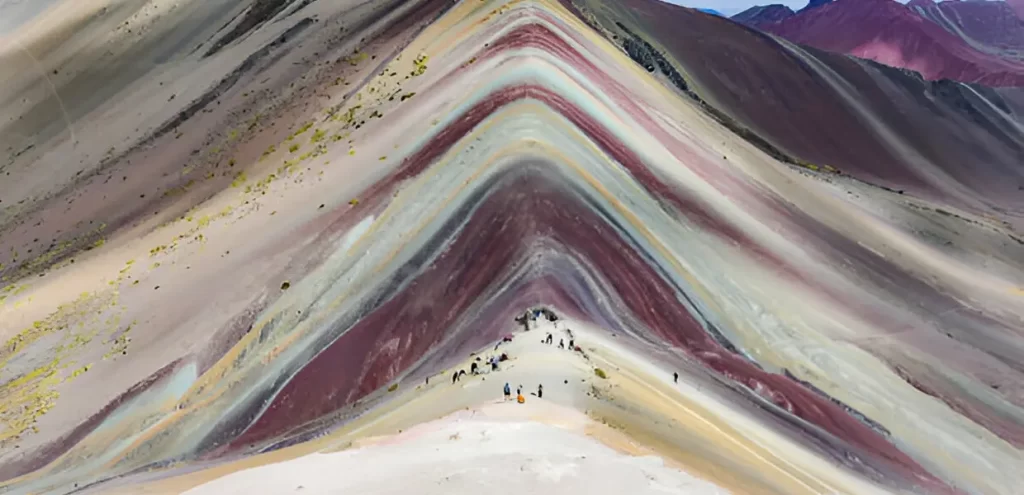
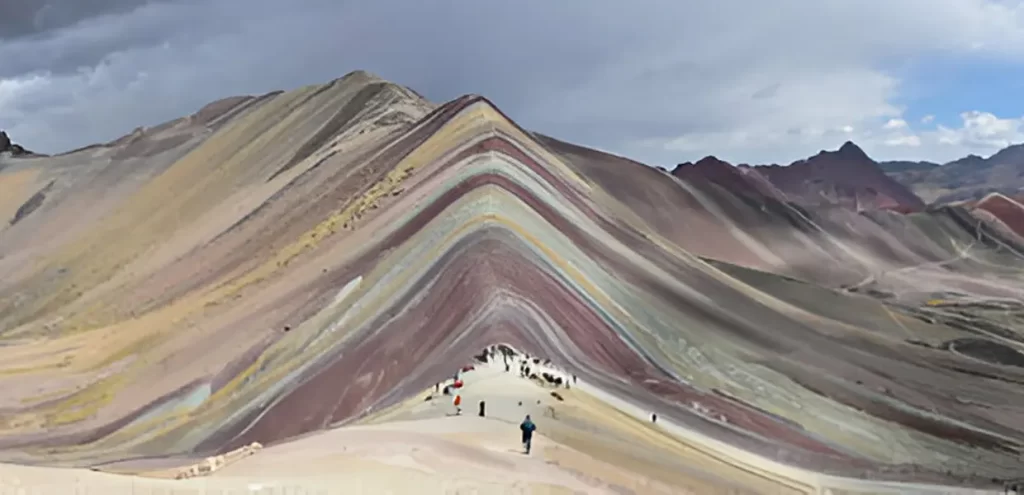
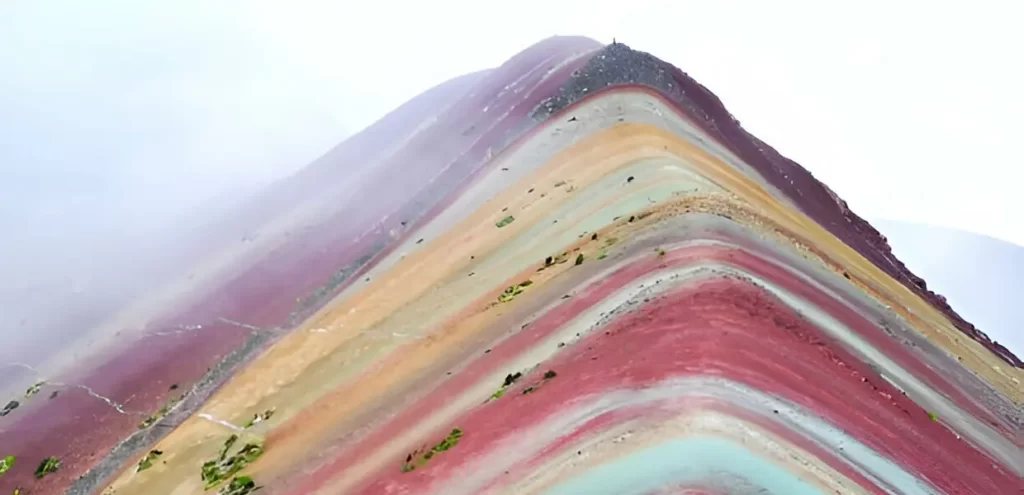
Visiting Rainbow Mountain in February offers a completely different experience from the dry-season months. While most travelers prefer to hike during the sunny season, February attracts those looking for adventure, solitude, and unique Andean landscapes painted with mist, clouds, and vibrant natural colors. This guide will walk you through everything you need to know about trekking to Rainbow Mountain during this rainy month—including weather conditions, trail safety, what to pack, and why this could be one of the most memorable times to visit.
What is Rainbow Mountain?
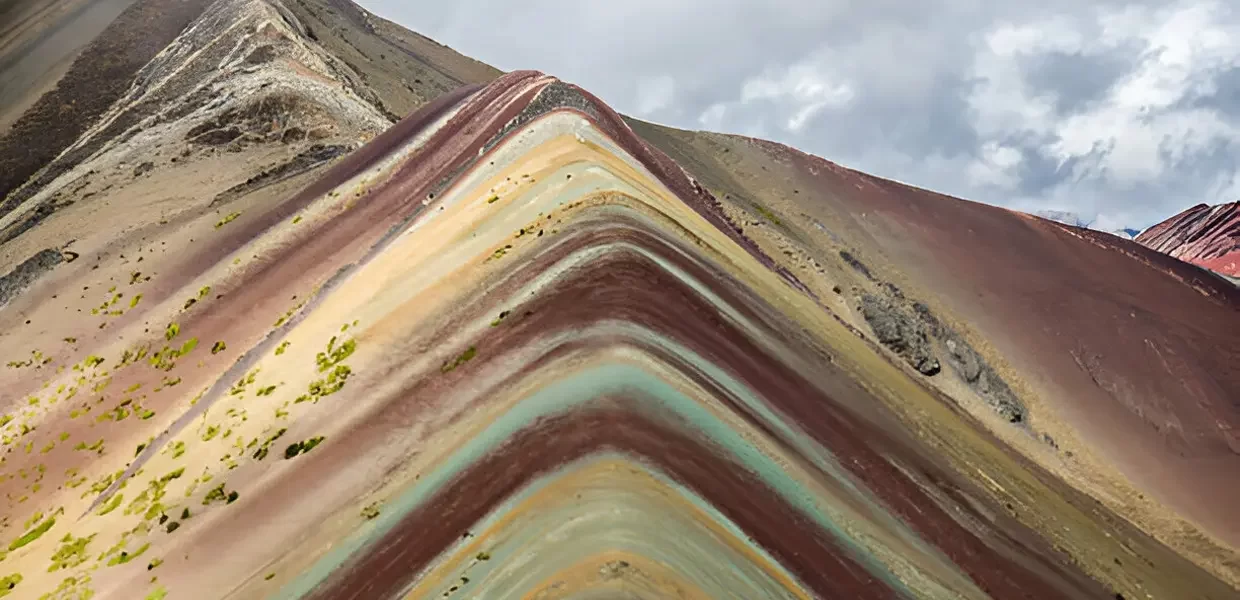
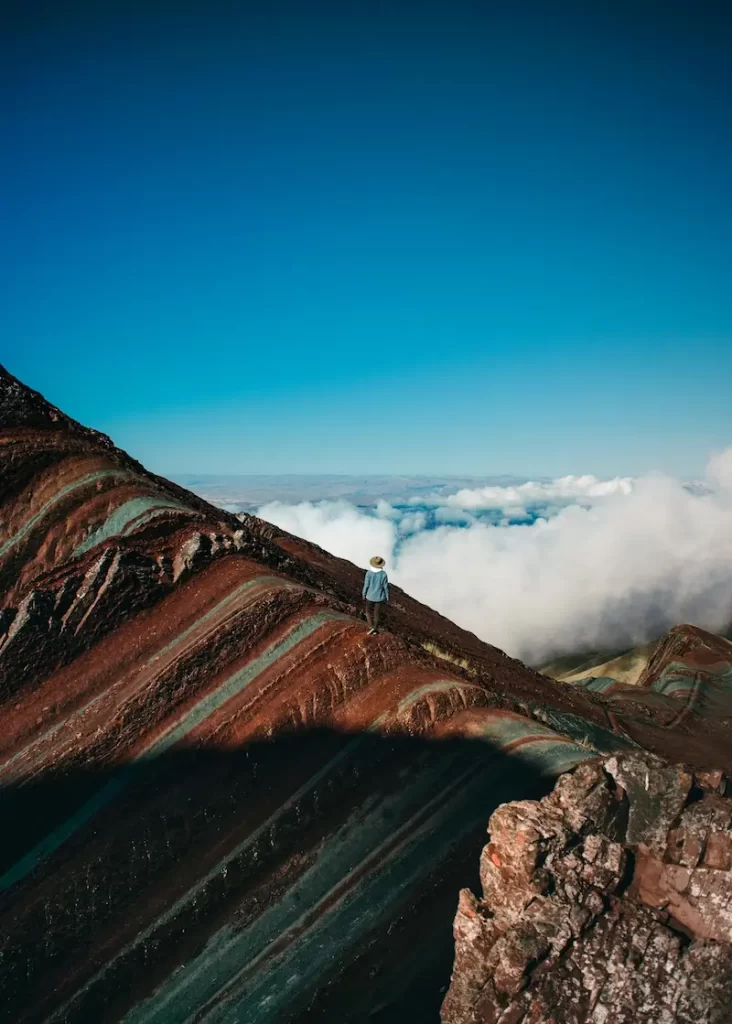
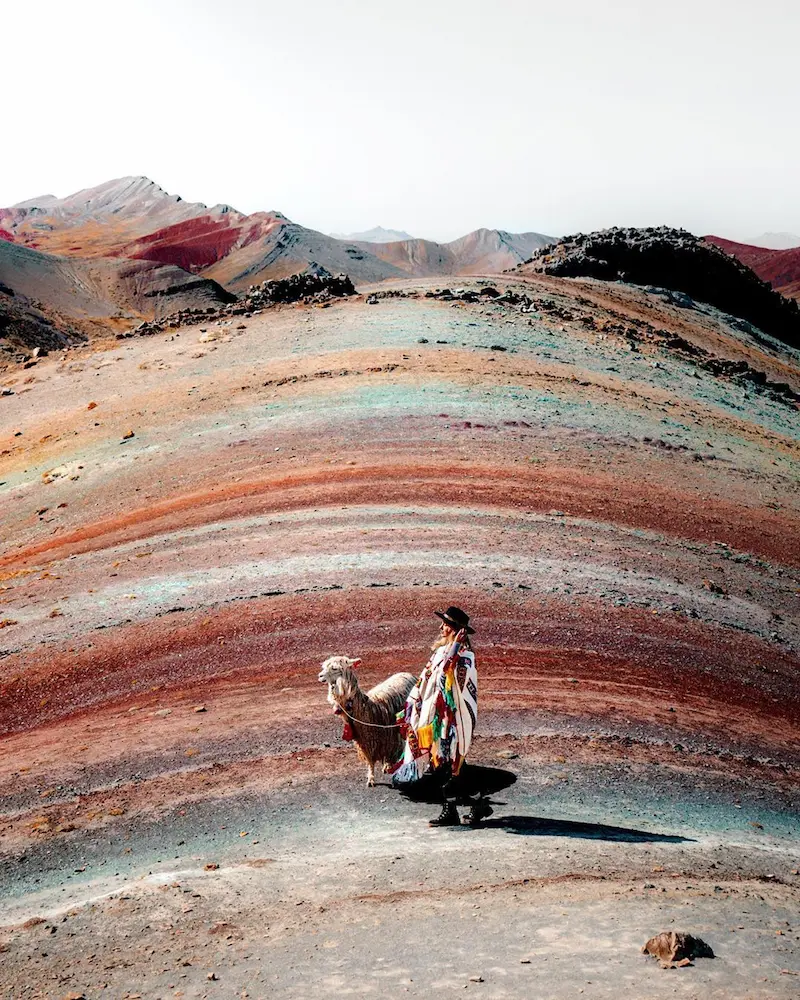
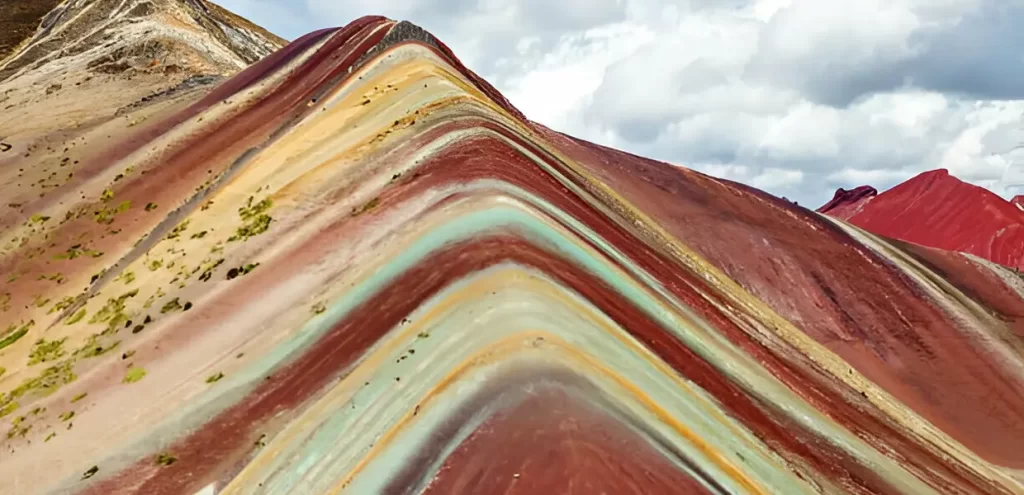
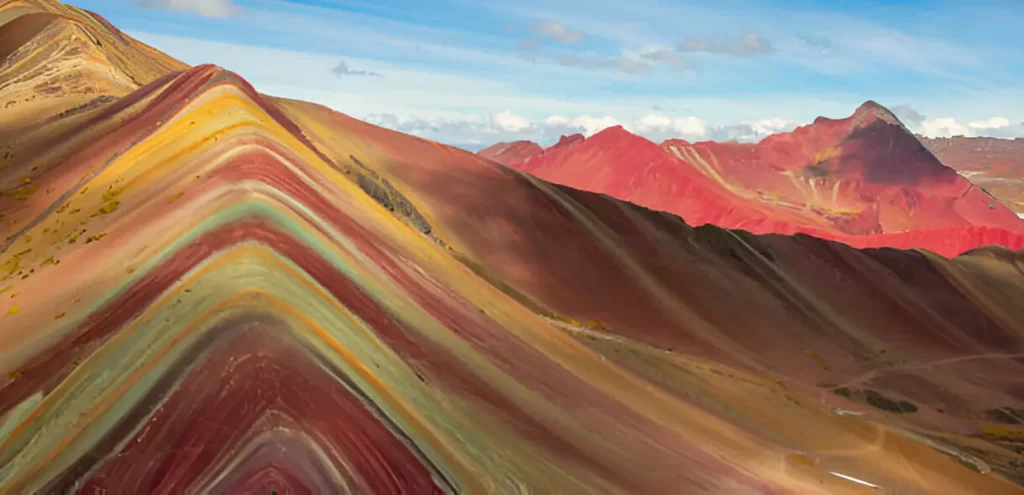
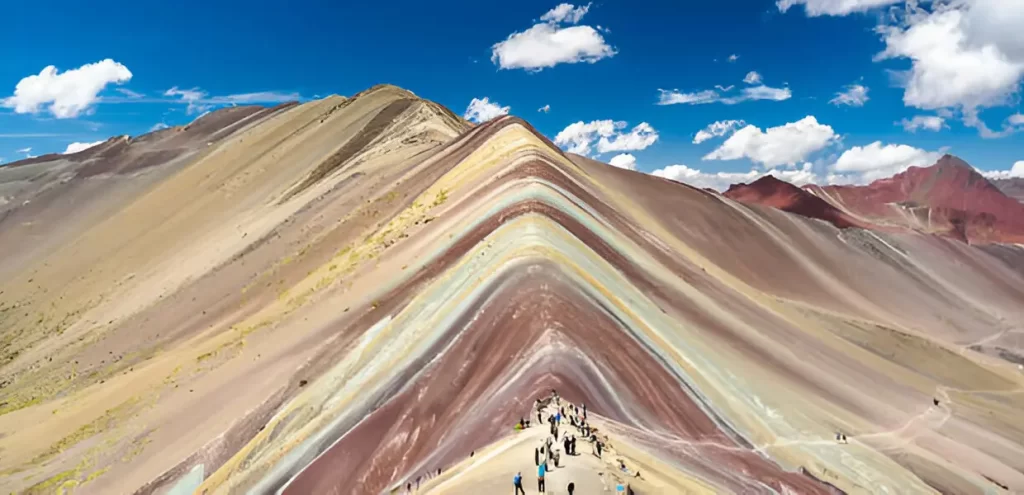
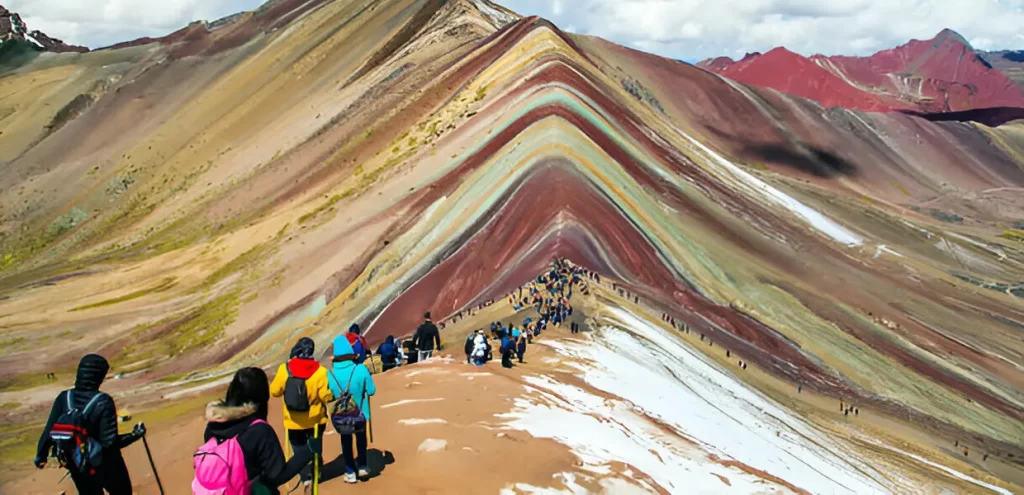
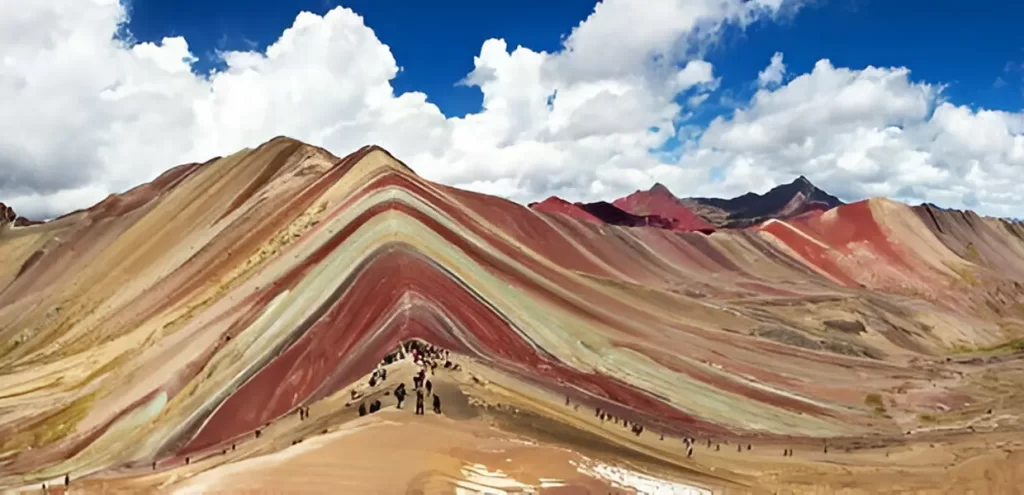
Also known as Vinicunca or Montaña de Siete Colores, Rainbow Mountain is a natural geological wonder located in the Peruvian Andes, around 100 km southeast of Cusco. Its colorful stripes of red, yellow, green, and lavender are created by mineral deposits in the soil. Rising to an elevation of 5,200 meters (17,060 feet) above sea level, the trail offers breathtaking views of snow-capped peaks and the high Andean plateau.
Why Consider February for Your Visit?
Fewer Crowds
Unlike June to September, February sees fewer tourists due to the wet season. This means you’ll enjoy a quieter trail, more peaceful photo opportunities, and a deeper connection with nature.
Lush Landscapes
The rain breathes life into the highlands. In February, the surrounding hills turn green, and wildflowers begin to emerge. Though the weather is less predictable, the scenery is often more vibrant.
A More Spiritual Experience
Many travelers report that hiking Rainbow Mountain under the mist and rain makes the trek feel more intimate and connected to the ancient Andean spirit. The stillness and reduced human presence allow for personal reflection and authentic moments.
What is the weather like in February?
February is one of the wettest months of the year in the Cusco region. Expect early morning drizzles or heavy afternoon showers. Still, it’s possible to have clear weather windows—especially if you start your trek very early.
Average Temperatures:
Rainfall:
Average: 100–130 mm of rain during the month
Type: Mostly afternoon rain showers, sometimes accompanied by hail or thunderstorms
How to Prepare for the Rain
February’s weather can change rapidly, so preparation is key:
Waterproof gear: Bring a high-quality rain jacket, pants, and backpack cover.
Hiking boots: Choose waterproof boots with deep traction.
Extra socks & layers: Staying dry and warm is crucial at high altitude.
Poncho: Many locals prefer this over jackets—it covers you and your pack at once.
Dry bags: Protect your electronics and valuables.
Is the Rainbow Mountain Trek Safe in February?
Yes, but it requires more caution. Trails can become muddy and slippery, especially on steep sections. Always:
Check with local tour providers about trail conditions
Follow guide instructions
Avoid trekking during electrical storms
Use walking sticks for better balance
Many companies offer horses to help you reach the summit if the trail is in poor condition.
How long is the trek?
The classic Rainbow Mountain trek is a 1-day hike, although there are multi-day versions that include the Red Valley or the Ausangate Circuit. For the 1-day tour:
Hiking distance: ~7 km (round trip)
Hiking time: 2.5–3 hours up, 1.5–2 hours down
Trailhead altitude: ~4,600 m
Summit altitude: ~5,200 m
Due to the elevation, even short distances can feel intense—acclimatization is essential.
Acclimatization Tips
If you’re not acclimated to high altitudes, Rainbow Mountain can be extremely challenging—even dangerous. Before attempting the hike:
What to Pack for February
Waterproof hiking boots
Rain jacket and pants
Base layers and fleece
Gloves and warm hat
Sunglasses and sunscreen (UV is strong even when cloudy)
Snacks (energy bars, fruit)
Water bottle (1–2L minimum)
Camera or phone with dry bag
Passport (for entrance verification)
What to Expect During the Hike
You’ll begin very early—most tours leave Cusco at 4:00 am. After a 3-hour drive through Andean villages, you’ll arrive at the trailhead where breakfast is served. Then, the hike begins. In February:
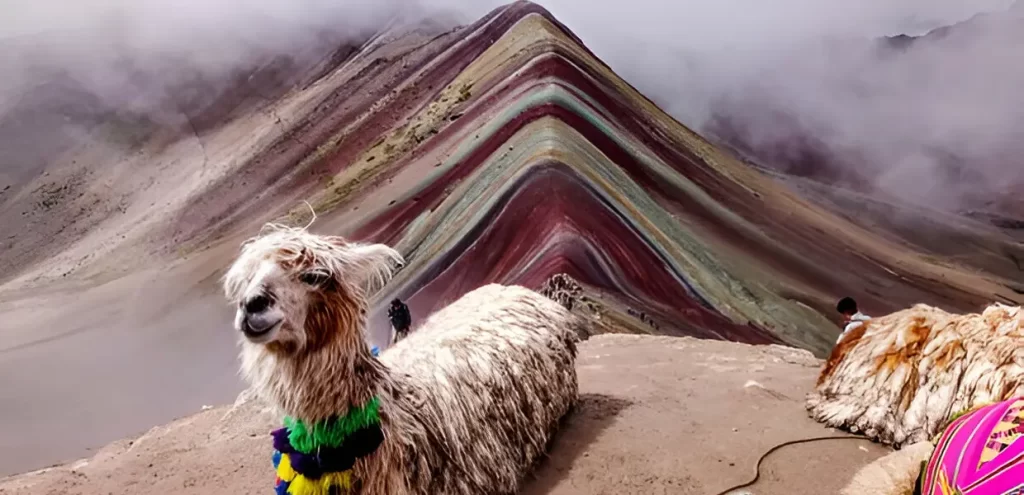
You may see low clouds and fog-covered valleys
The mountain may not appear fully clear—some days it’s hidden, others it reveals itself beautifully
There are sections with running water on the trail
The landscape is lush, green, and surreal
At the summit, you’ll have time to rest, take photos, and enjoy the view if visibility permits. Many tours include a visit to Red Valley, which can be included depending on weather and time.
Pros and Cons of Visiting in February
Pros:
Cons:
When is the best time to start the hike?
In February, the best chances for clear weather are early in the morning. Most tours aim to start hiking around 7:00–7:30 am to maximize the odds of a dry and visible summit.
Is the Red Valley included?
The Red Valley is a stunning add-on with crimson-colored slopes. Some companies include it by default; others offer it as an optional side trail. It can be muddy or foggy in February but is often less visited and equally magical.
Is February Good for Photography?
Yes, but with caveats. Light is diffused, which is great for soft shadows. Rain or mist can enhance the mystical feel. However:
Bring a camera with weather protection
Use microfiber cloths to wipe lenses
Accept that colors may appear softer or more saturated, depending on light and moisture
Recommended Tour Operators
Choose companies that:
Some agencies may cancel tours if trail conditions are unsafe. That is a good sign of professionalism.
Should You Hike Rainbow Mountain in February?
Rainbow Mountain in February is not for everyone—but for the right traveler, it can be unforgettable. You’ll face rain, cold, and the possibility of cloud-covered views, but you’ll also find peace, authenticity, and nature in one of its most honest expressions.
If you seek pristine skies and Instagram-perfect photos, wait until May. But if you want adventure, serenity, and a deeper Andean experience, February just might be the perfect time for you.
Full Day Tours