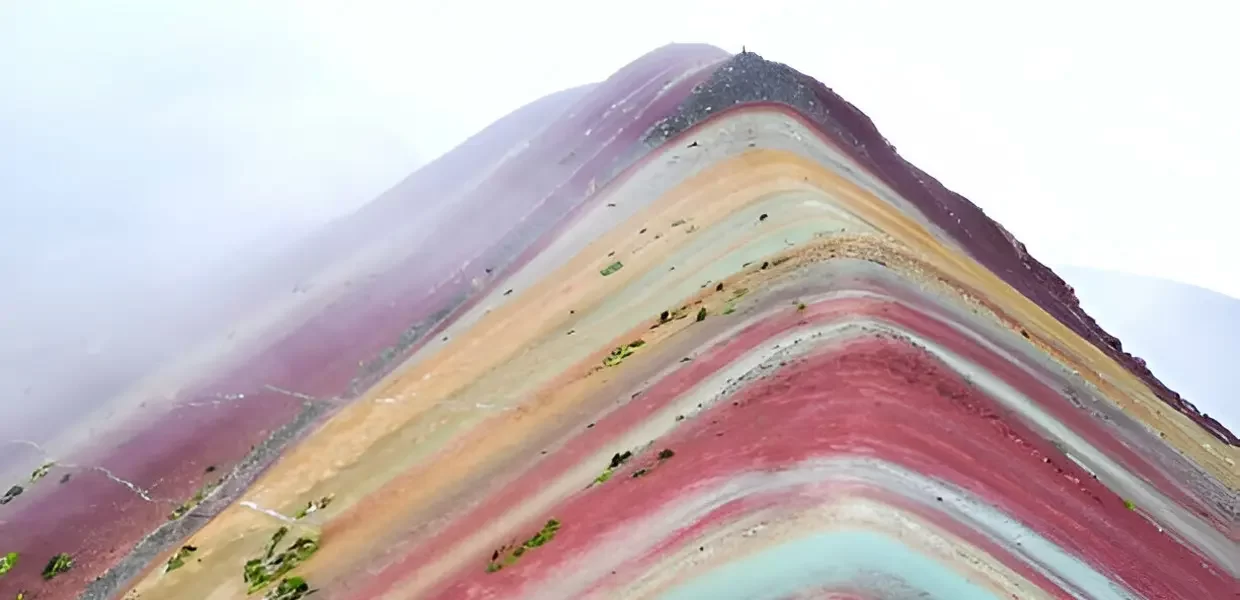
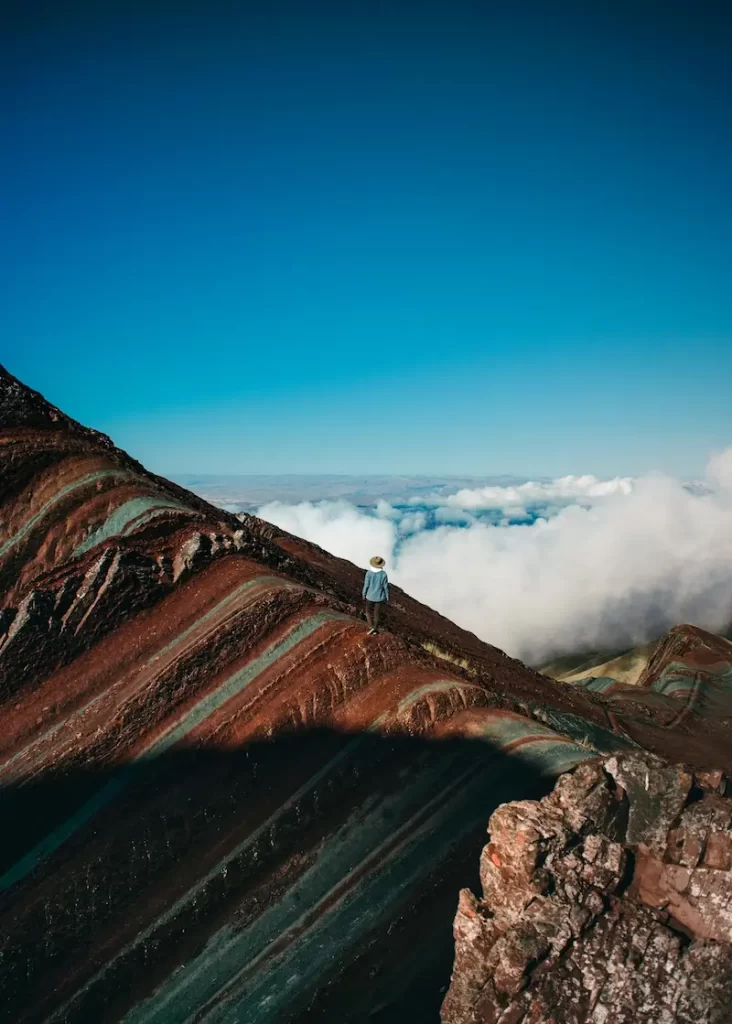
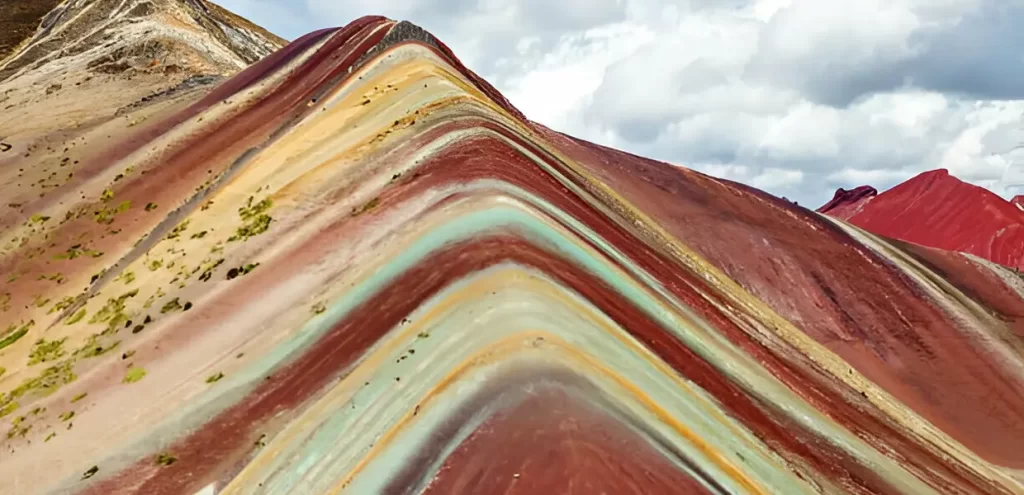
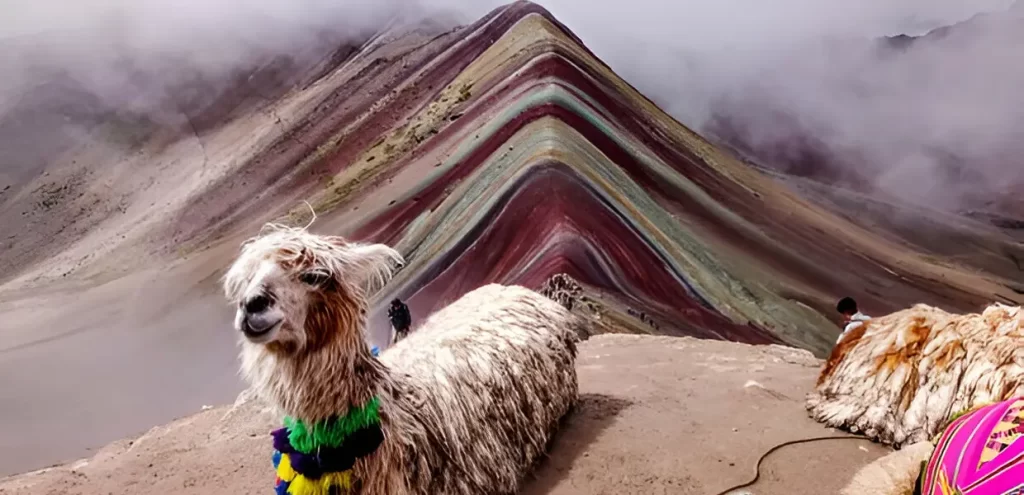
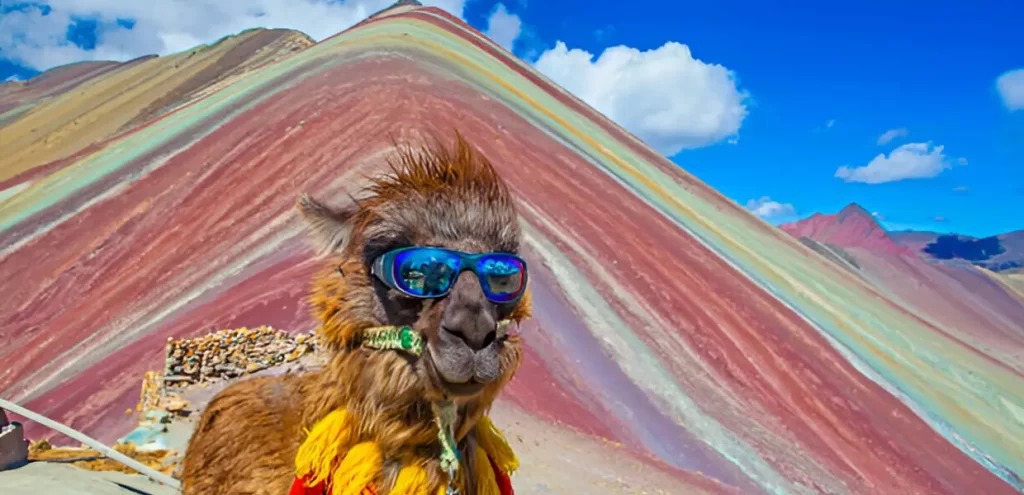
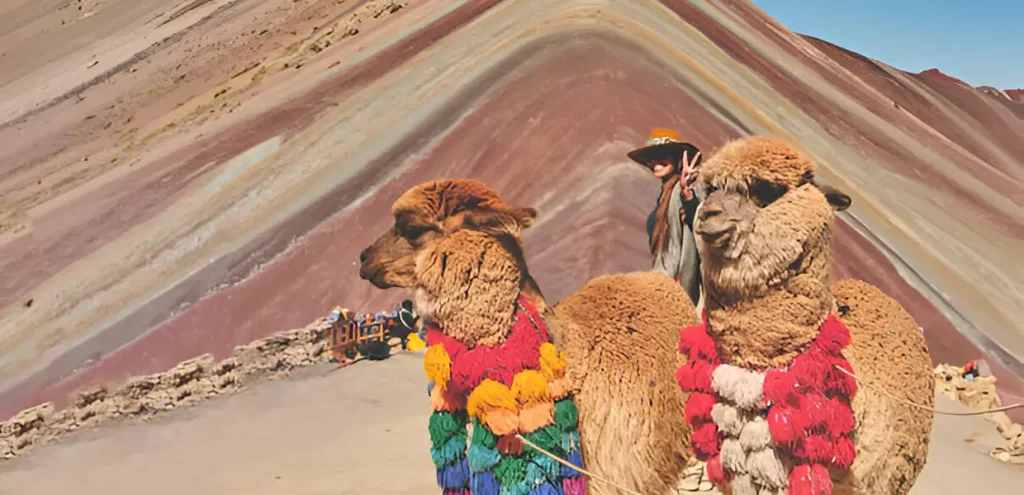
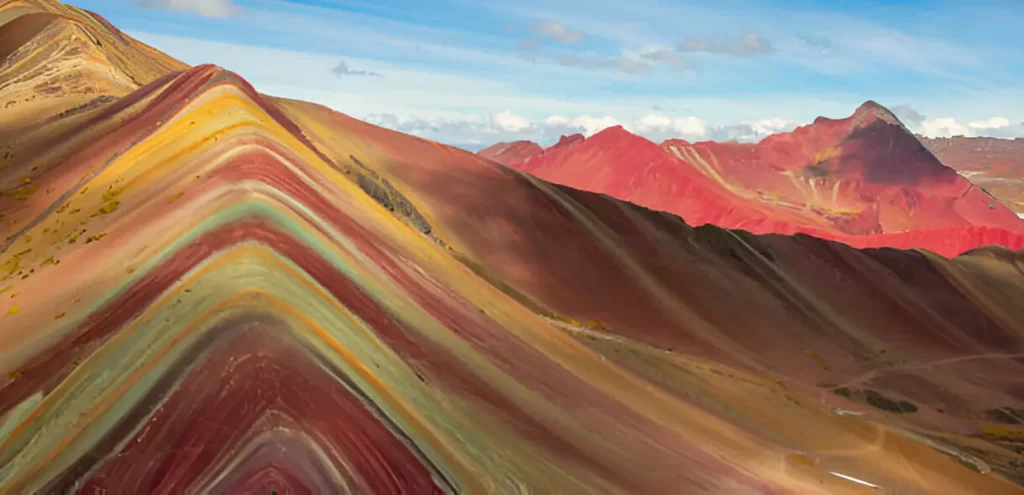
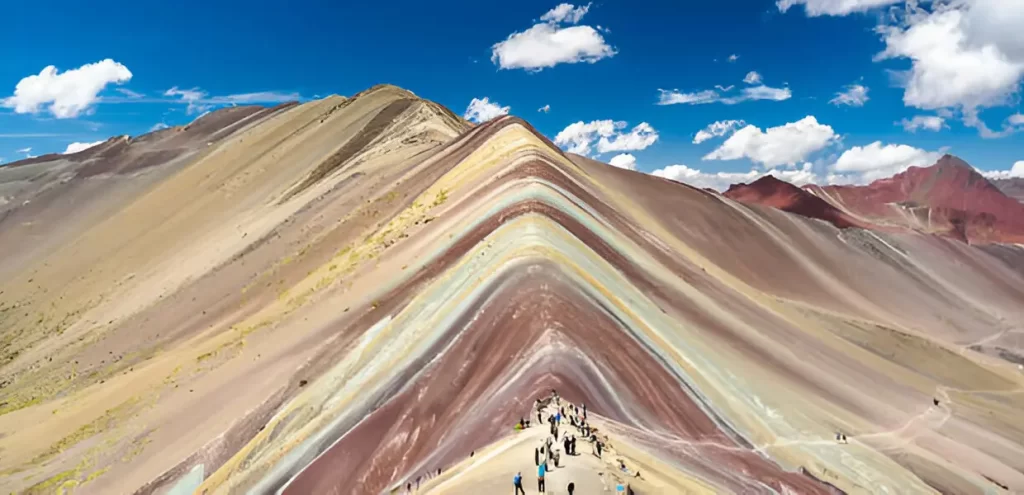
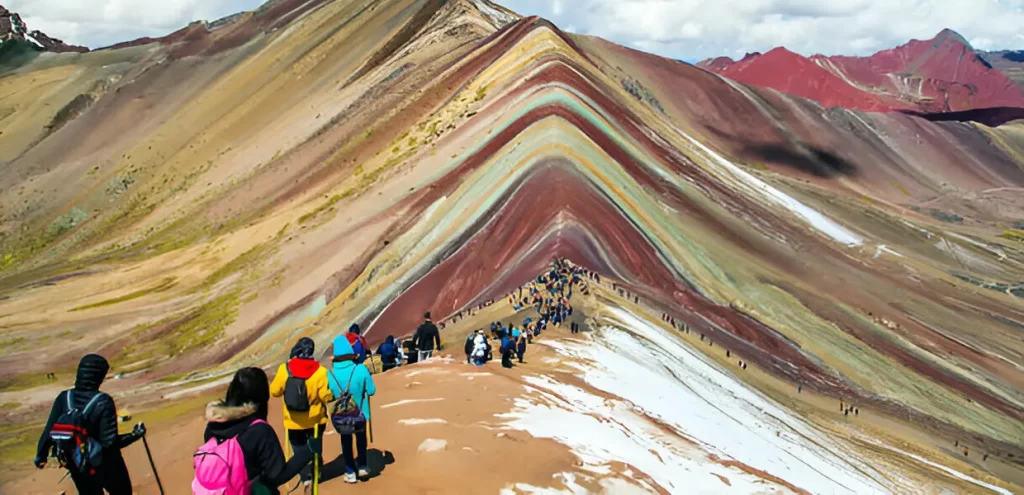
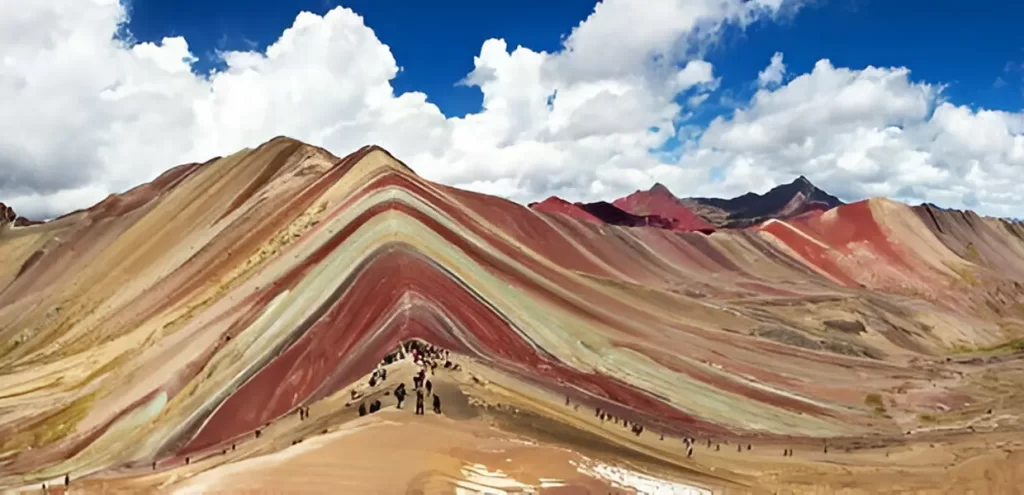
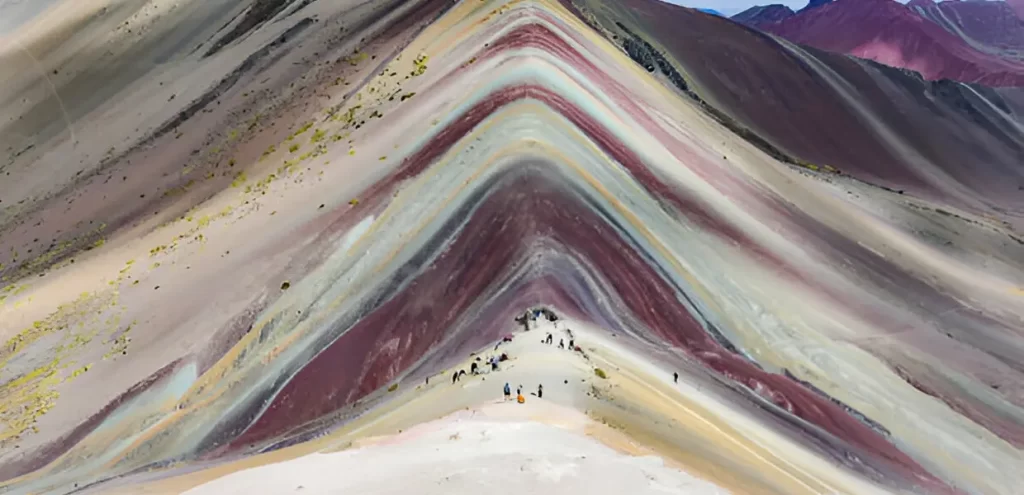
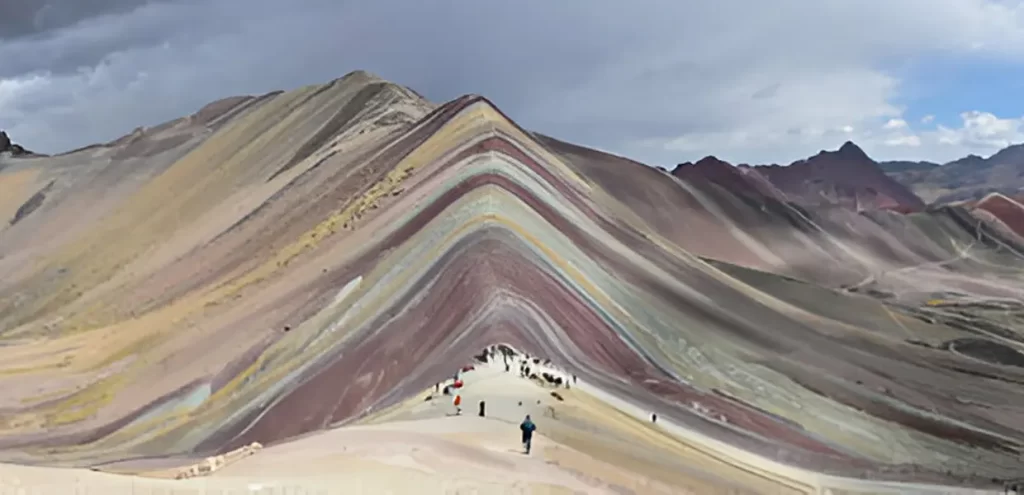
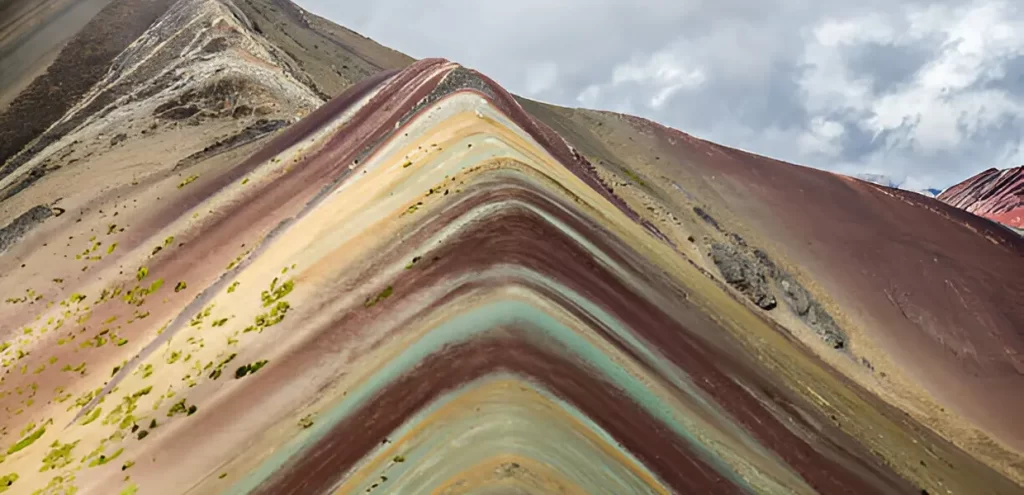
Visiting Rainbow Mountain in January offers a unique experience: fewer crowds, dramatic weather, and lush surroundings. While January falls within the rainy season, it also means vibrant landscapes and fewer tourists at the iconic Rainbow Mountain (Vinicunca). This comprehensive guide covers everything you need to know—from weather and trail conditions to what to pack and best photography tips—to make your visit memorable and safe.
Why January Is a Unique Time to Visit Rainbow Mountain
Fewer Tourists, More Serenity
January is low season for Rainbow Mountain. Many tours pause due to unpredictable weather, so those who do go get a more peaceful visit. You’ll experience the colors with minimal crowds and enjoy quiet moments for better photography.
Lush Environment and Cloud Forests
Frequent rains produce dramatic green valleys, flowing waterfalls, and mist between hill ridges. Trails may be foggy in the morning, but mid-day usually offers clearer skies, making the mountain’s stripes stand out beautifully against the vivid backdrop.
Risk vs Reward
January comes with real weather challenges—mud, occasional slippery paths, and heavy showers. However, early timing, flexibility, and proper preparation can reward you with rainbow vistas and landscapes at their greenest, without peak season pressure.
What Is the Weather Like in January?
Rainfall and Clouds
Average rainfall: 100–150 mm for the month
Rain pattern: Expect afternoon storms; mornings are often dry
Cloud cover: Frequent low clouds; may obscure the mountain early
Temperatures
Daytime: 10–16 °C (50–61 °F)
Night/early morning: 0–5 °C (32–41 °F)
Wind: Moderate along the ridge
January’s climate demands reliable rain gear and early starts to maximize trail-in-good-condition windows.
Is It Worth Visiting Rainbow Mountain in January?
Pros and Cons
| Pros | Cons |
|---|
| Fewer visitors and more solitude | The trail can be slippery and muddy |
| Lush scenery and vibrant colors | Visibility risk from fog or low clouds |
| Original atmosphere before peak season | Weather dependency adds to planning |
If you value immersive, crowd-free experiences and don’t mind adapting to weather, January can be one of the most rewarding months to go.
Preparing to Visit Rainbow Mountain in January
Acclimatization
Altitude is key: Rainbow Mountain sits at 5,200 m (17,060 ft). Stay at Cusco (3,400 m) for at least 2–3 days, drink coca tea, hydrate, and avoid overexertion prior to your trek.
Choosing a Responsible Tour
Opt for organized tours that:
Provide rain gear and ponchos
Start early to avoid storms
Use horses or mules during heavy rain days
Offer flexible options based on weather
Equipment Essentials
Waterproof jacket, pants, and gaiters
Sturdy, waterproof hiking boots
Trekking poles for mud balance
Warm layers (fleece, base-layers)
Gloves, hat, and UV sunglasses
Reusable water bottle with purifier tablets
High-energy snacks, waterproof backpack cover
Typical Rainbow Mountain January Itinerary
Pickup around 3:00 a.m. in Cusco
Drive 3–4 hours to the trailhead.
Brief breakfast and gear check
45 minutes to 1.5 hours ascent to the viewpoint
Time at the summit to admire chromatic stripes (20–60 minutes)
Return descent to trailhead
Lunch stop in Cusipata or Pitumarca.
Return to Cusco by 4:00–5:00 p.m.
January tours often include horses to assist on difficult sections of the trail.
Trail Conditions in January
Mud, Stones, and Vegetation
Expect slick, muddy trails with stones and puddles. Early and late rain shifts can create stable wet sections. Rockier shading and cliffs may hold water longer.
Potential Delays
Afternoon storms may force sheltering until rain stops, so early departures and flexible weather reports are essential.
Horses and Porters
Many agencies offer horse support—great for steep, slippery patches—and porters to carry supplies.
Photography Tips for January
Early light reveals full color spectrum
Overcast mornings provide soft, diffused light for details
Golden hour (sunrise, sunset) gives warm tone to the stripes
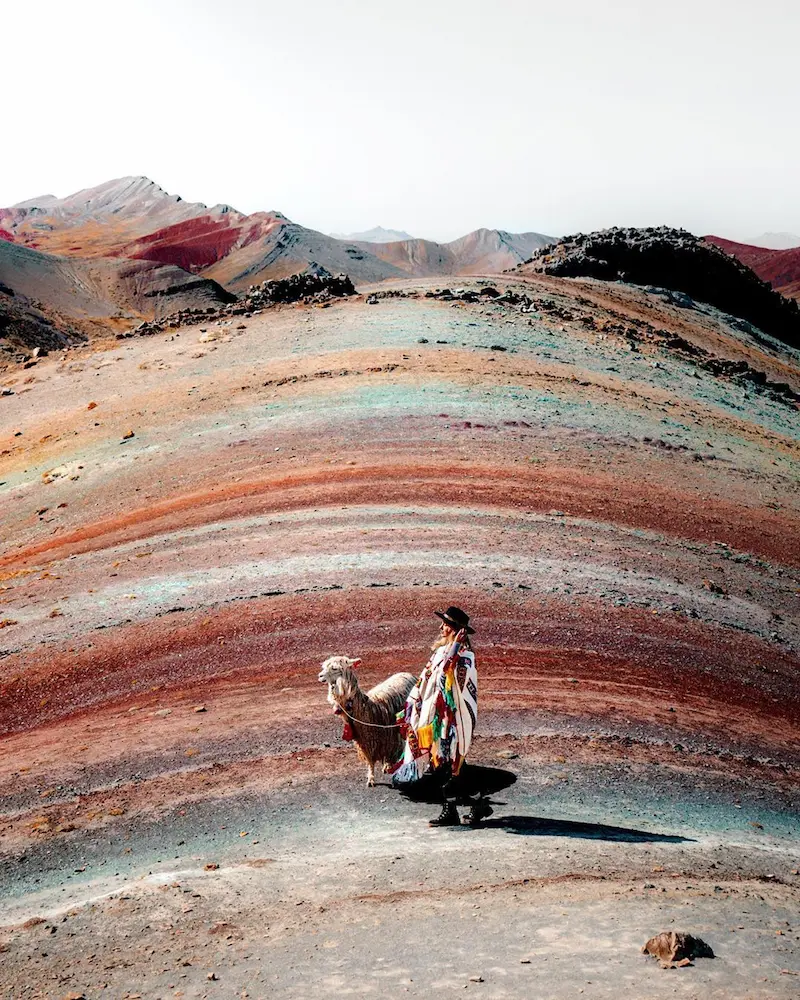
Include foreground elements like llamas, hikers, or distant peaks
Rain-catching puddles offer creative reflections
Safety Recommendations
Start early to avoid afternoon storms
Use trekking poles and sturdy soles
Stay hydrated with electrolytes
Recognize signs of altitude sickness and descend if needed
Dress in layers and change into dry clothes after the hike
Travel with a licensed guide and horse-assistance option
What to Pack for Rainbow Mountain in January
Waterproof jacket and pants
Thermal base layer
Lightweight fleece or down jacket
Hiking boots with ankle support
Wool socks (multiple pairs)
Hat, gloves, and neck buff
Water bottle, snacks, sunscreen
Backpack rain cover, trekking poles
Power bank, map, or offline GPS
Other January Trek Options & Alternatives
Vinicunca + Red Valley: Adds color contrast
Ausangate Rainbow Mountain: higher and lesser-known
Humantay Lake: shorter day trek, more lenient weather
FAQs about Rainbow Mountain in January
Is Rainbow Mountain open in January?
Yes, although some tours may be seasonal. Access is year-round but weather may occasionally close the trail.
Will I see the colors in January?
Yes—the pigments are permanent, though cloud cover may reduce contrast. Afternoon breaks often clear enough.
Can I hike independently in January?
Not recommended. Conditions are tough and solo routes can be dangerous. Tours with guides and horse backup are safer.
Do I need permits or tickets?
No. Entrance is paid locally at trailhead or via guide. No national ticket or complex permits are required.
Full Day Tours