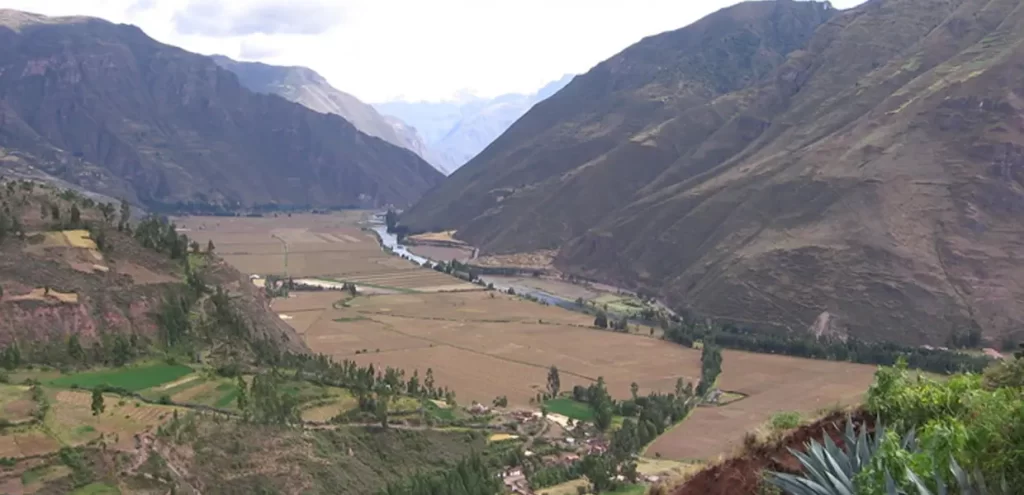
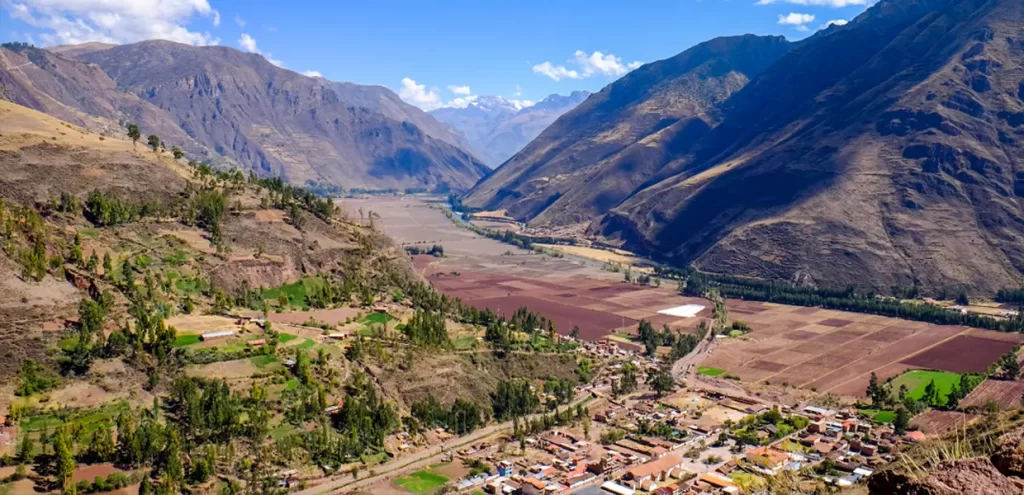
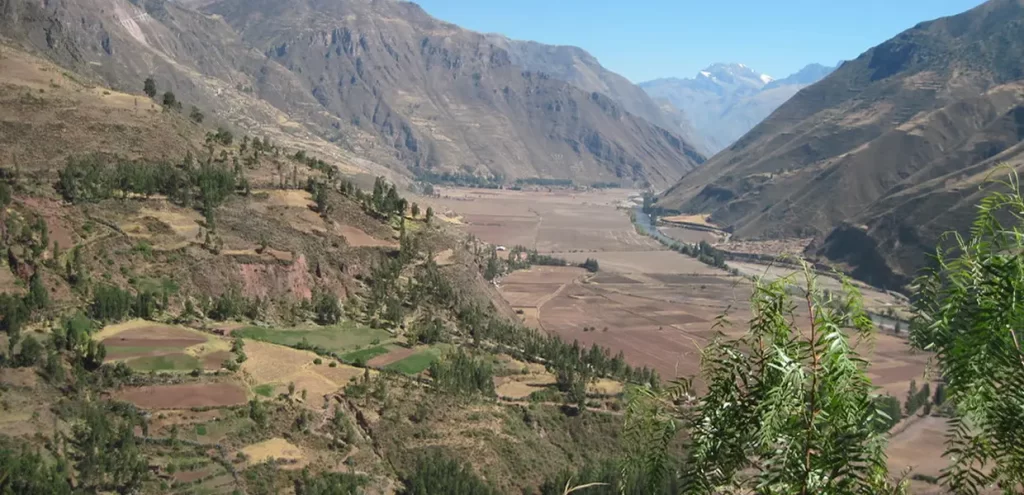
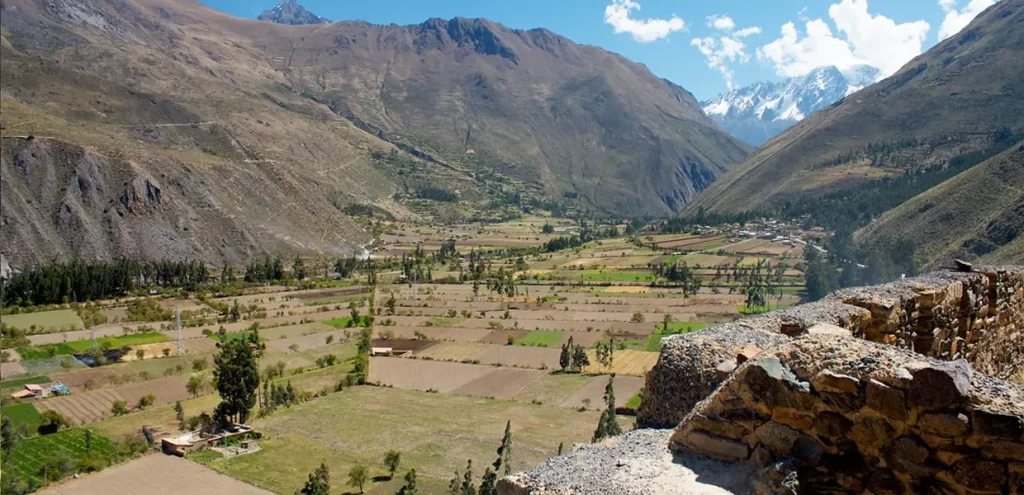
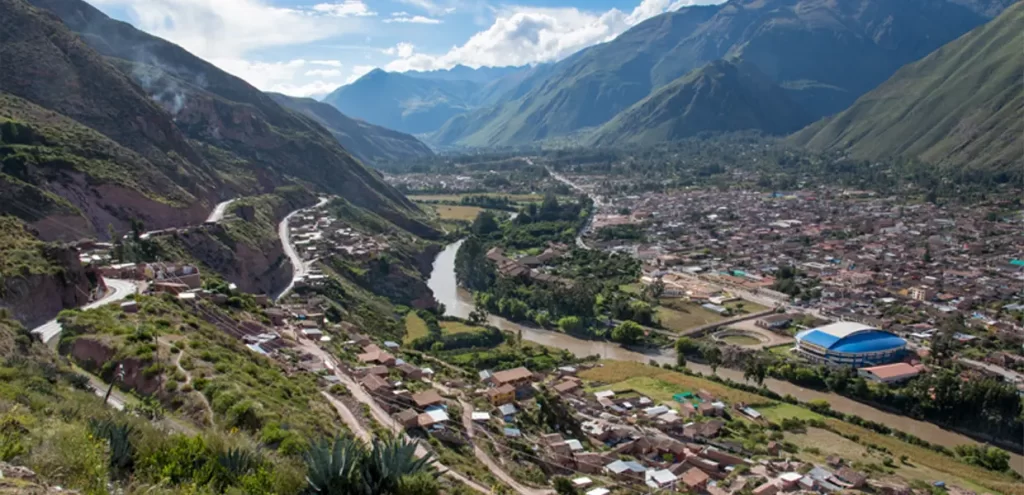
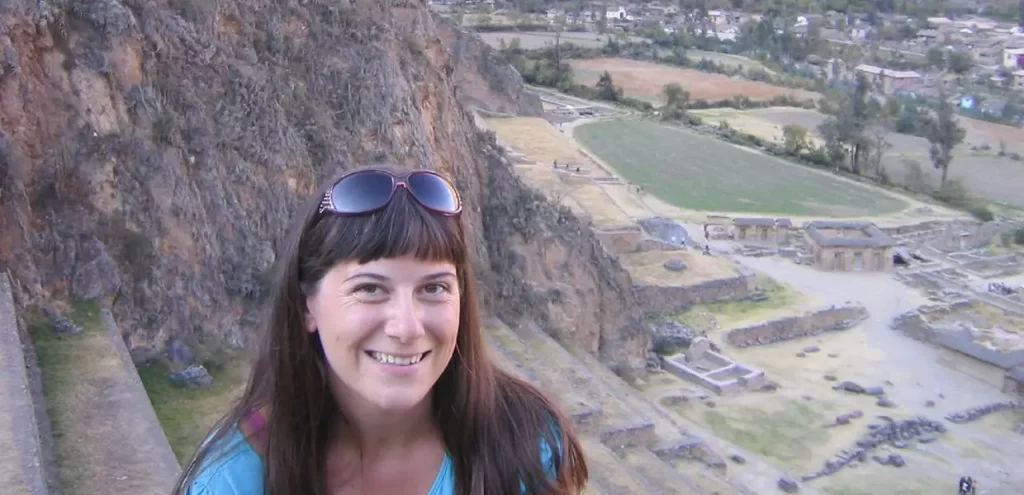
You’re probably wondering if it’s the right time to visit, what the weather in the Sacred Valley is like, and whether activities are fully back after the rainy months. April is a transitional month, but in the best way — it’s when the rainy season comes to an end and the dry season begins, making it a fantastic shoulder season for travelers. With clearer skies, greener landscapes, and fewer crowds than in the high season, April is one of the smartest months to visit the Sacred Valley.
Things to consider before visiting the Sacred Valley in April
Occasional rain is still possible, especially in the first half of the month. Pack a light rain jacket just in case.
Trails begin to dry, but some steep or shaded sections can still be slippery. Stick to established routes.
Altitude sickness may still affect you. Give yourself at least a day to acclimate before planning high-altitude hikes.
Mornings are typically sunny and dry — ideal for tours and day trips.
April marks the beginning of the best time to hike the Inca Trail, though permits for the Classic route may be limited.
Even as the weather improves, nights in the valley are still cool. Bring warm layers for early mornings and evenings.
Pros and cons about visiting the Sacred Valley in April
Pros
Start of the dry season with clearer skies and better trail conditions
Landscapes still lush and green from February and March rains
Fewer tourists than in July or August
Good hotel and tour availability
Ideal time for photography and nature lovers
Cultural life is active in rural communities
Cons
Light rain may still occur, especially in early April
Some remote treks may remain partially muddy
Classic Inca Trail permits may already be sold out (plan ahead!)
Early mornings can be chilly — layer accordingly
Recommendations
Check the weather in the Sacred Valley before outdoor excursions, especially in the first half of April.
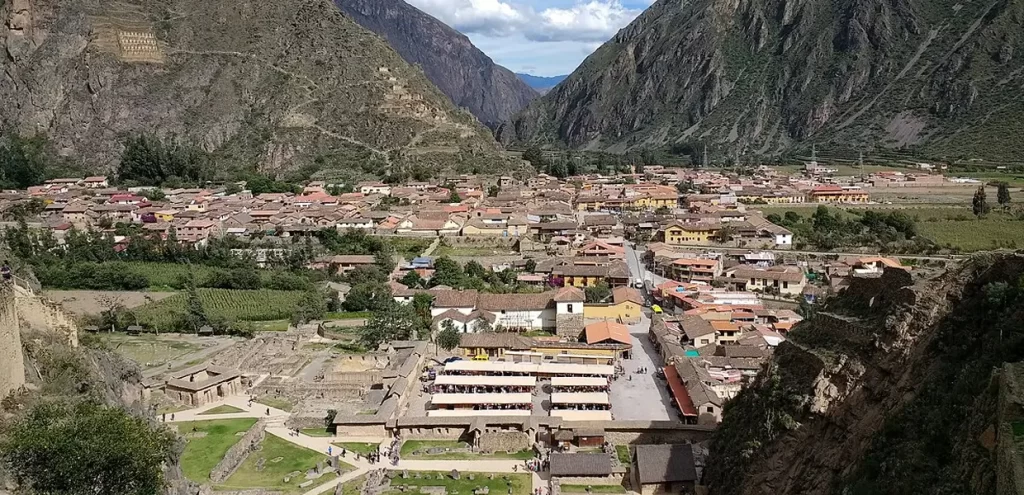
Stay in central Sacred Valley towns like Ollantaytambo or Urubamba for easy access to major sites.
Pack for both mild rain and sunny days: a waterproof layer, sun protection, and quick-drying clothes.
Take advantage of early mornings when conditions are best.
Combine cultural visits and soft hikes, especially if you’re still acclimating.
Avoid venturing into remote mountain routes without support or updated trail info.
If you’re planning your trip for high-altitude trekking, April is the beginning of the right window, but it’s still wise to check conditions or opt for shorter hikes.
What is the weather like in the Sacred Valley in April?
The weather in the Sacred Valley in April is much more stable than in previous months. Rain becomes less frequent, especially in the second half of the month, and blue skies return. Days are mostly sunny with scattered clouds, while humidity levels drop.
April officially marks the start of the dry season in this part of Peru, which extends from April to October. Though light rain may still happen — particularly early in the month — it’s typically short and doesn’t disrupt plans significantly.
What is the temperature in the Sacred Valley in April?
Temperatures in April are pleasant. Expect daytime highs of around 21°C (70°F) and nighttime lows of about 7°C (45°F). While the weather is getting drier and warmer, the valley’s elevation (between 2,700 and 2,900 meters) still brings chilly mornings and evenings.
Layering is key. Mornings can feel cold, but by late morning the sun warms things up quickly. Sunscreen, a hat, and light layers will keep you comfortable throughout the day.
Does it rain in the Sacred Valley in April?
Rain can still occur in April, especially during the first two weeks, but it’s far less than in February and March. On average, there are about 5 to 8 rainy days throughout the month, and most are limited to short showers or light afternoon drizzles.
Most trails and attractions are fully accessible, and conditions continue to improve as the month progresses. April is widely considered a great time to visit for travelers who want fewer interruptions due to rain.
Is the Sacred Valley crowded in April?
No, April is not part of the high season. You’ll notice more visitors than in March, but it’s still far from the crowds of July and August. Sites like Machu Picchu, Pisac, and Ollantaytambo are more relaxed, and local markets are easier to explore.
April is a great choice for travelers who prefer fewer people and more breathing room but still want reliable weather and access to all major experiences in Cusco and the Sacred Valley.
What activities can I do in the Sacred Valley in April?
Almost every activity in the Sacred Valley is available by April. Here’s what you can do:
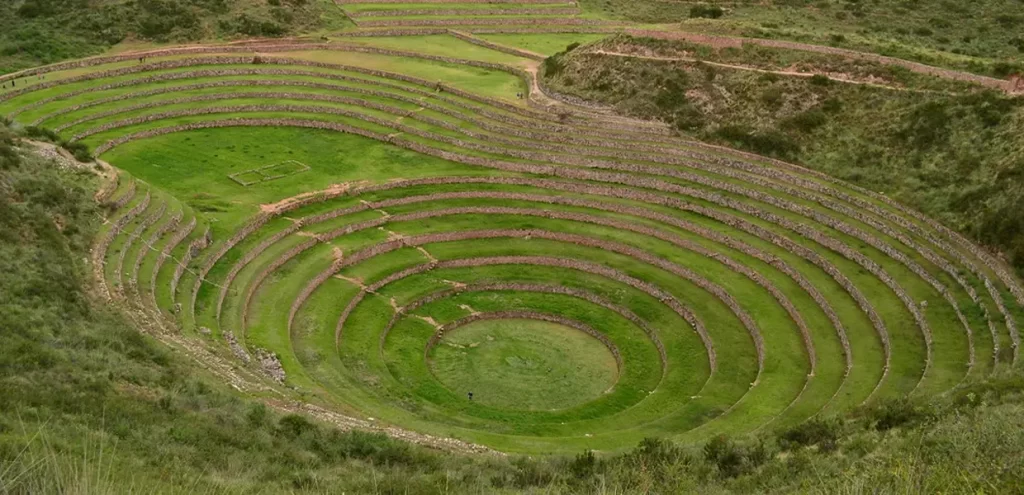
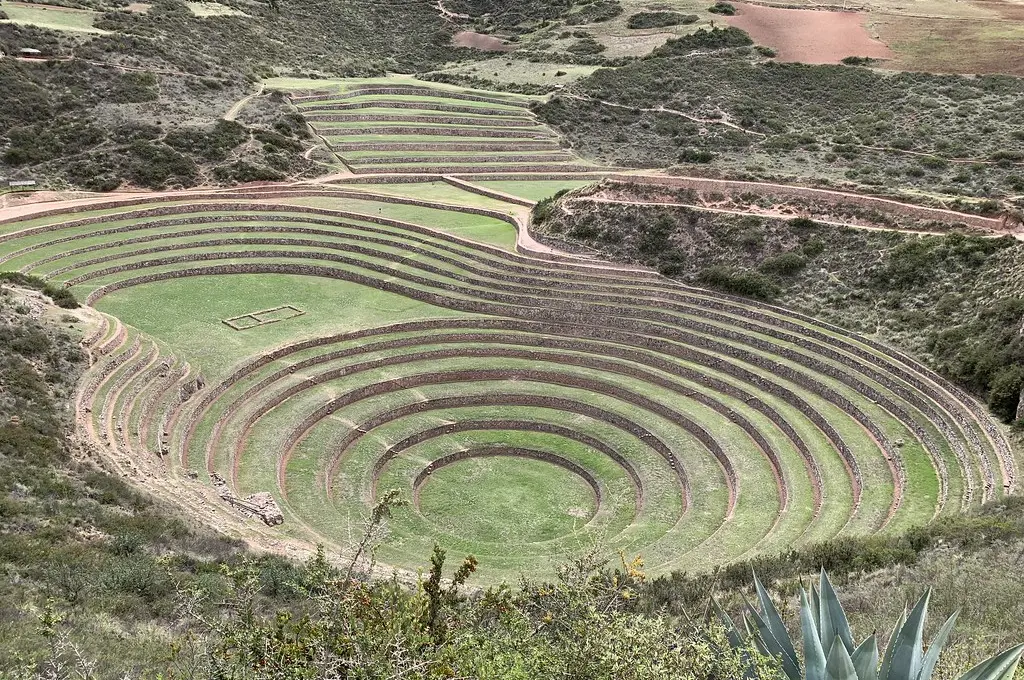
Visit top archaeological sites like Pisac, Moray, and Ollantaytambo with fewer crowds
Walk through local markets in Chinchero and Urubamba
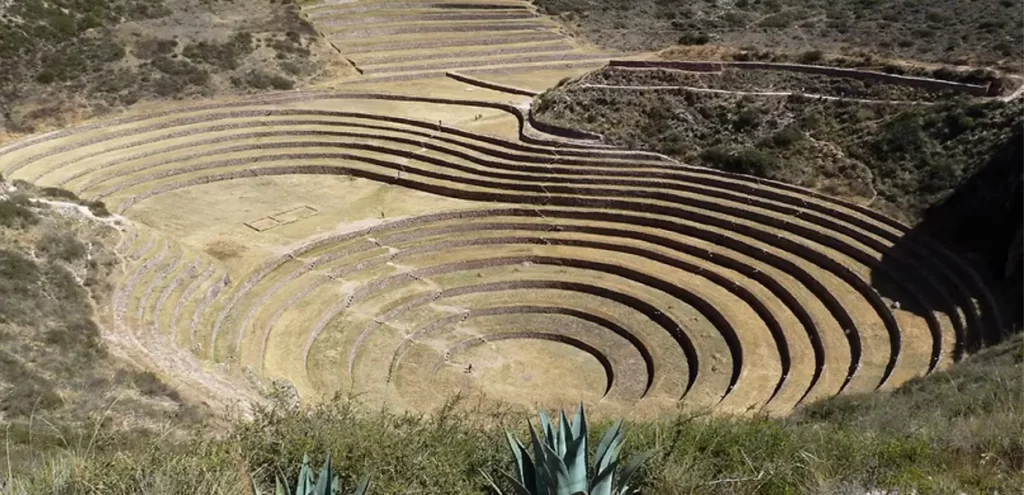
Join day trips to Maras salt mines, Moray terraces, or even hike to lesser-known Inca ruins
Take a cultural experience with weaving or farming communities
Go on soft hikes or warm-up walks while adjusting to the altitude
Explore Machu Picchu and the Valley of the Incas — the scenery is stunning this time of year
If you’re into trekking, shorter trails are already safe, and conditions are improving for longer hikes
What events happen in the Sacred Valley in April?
April is not packed with large festivals, but a few things might be happening:
Easter, or Holy Week (Semana Santa), often falls in early April. Towns like Pisac and Urubamba may hold traditional religious events, processions, and community gatherings.
Agricultural activities are visible in the fields. You might see families working the land — a great time to observe real Andean life.
These events aren’t tourist-focused, but they add cultural richness to your visit and reflect the authentic rhythm of life in the Sacred Valley.