Things to consider before visiting the Sacred Valley in February
February is part of the rainy season. Expect frequent rainfall, slippery paths, and cloudy skies.
The Inca Trail is closed for maintenance all month. Only alternative treks and train options remain available.
Weather conditions can delay transportation. Landslides and blocked roads are possible.
Most archaeological sites remain open, but visits may be affected by rain or mud.
Fewer tourists visit this month, which reduces crowds but may also limit the availability of some services.
You must pack correctly: a waterproof jacket, resistant shoes, and warm layers for cold mornings and nights.
Sun protection is still necessary due to the high altitude, even with cloud cover.
Pros and cons about visiting the Sacred Valley in February
Pros
Fewer tourists at archaeological sites, markets, and viewpoints.
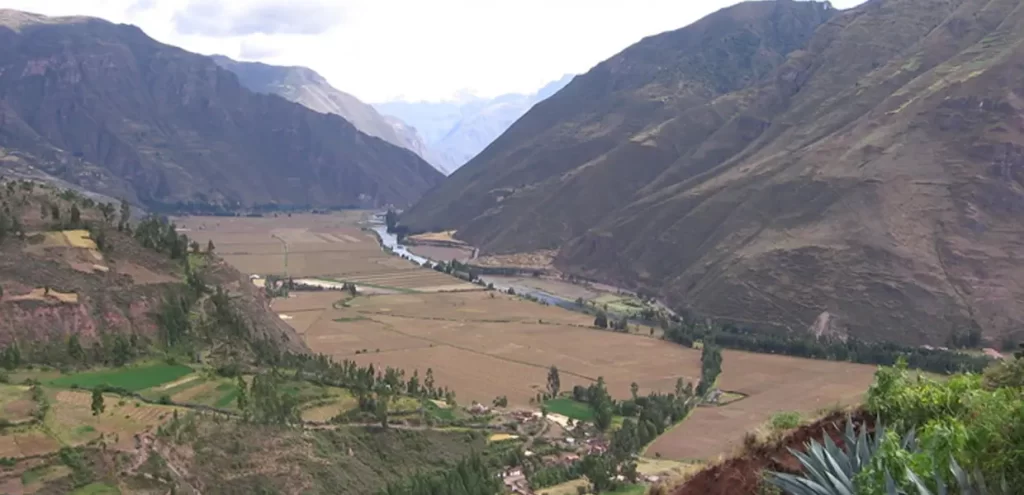
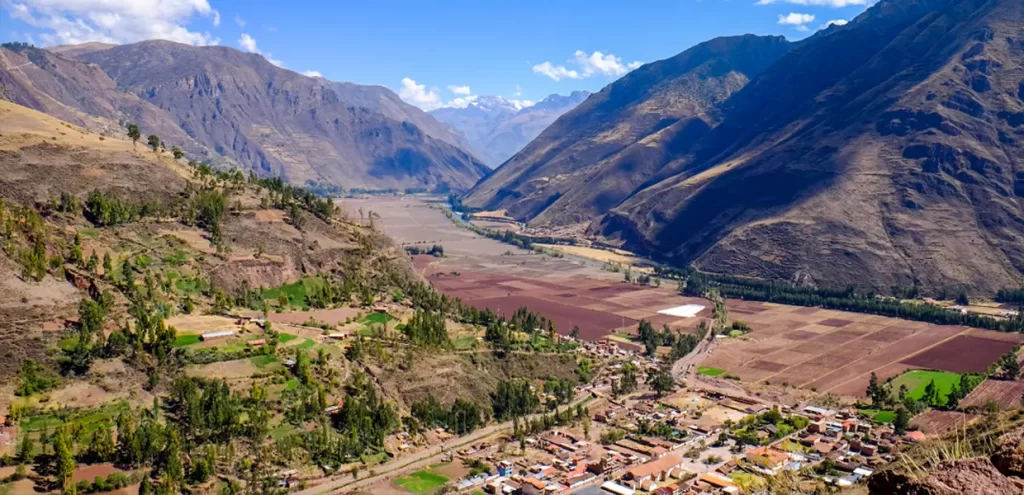
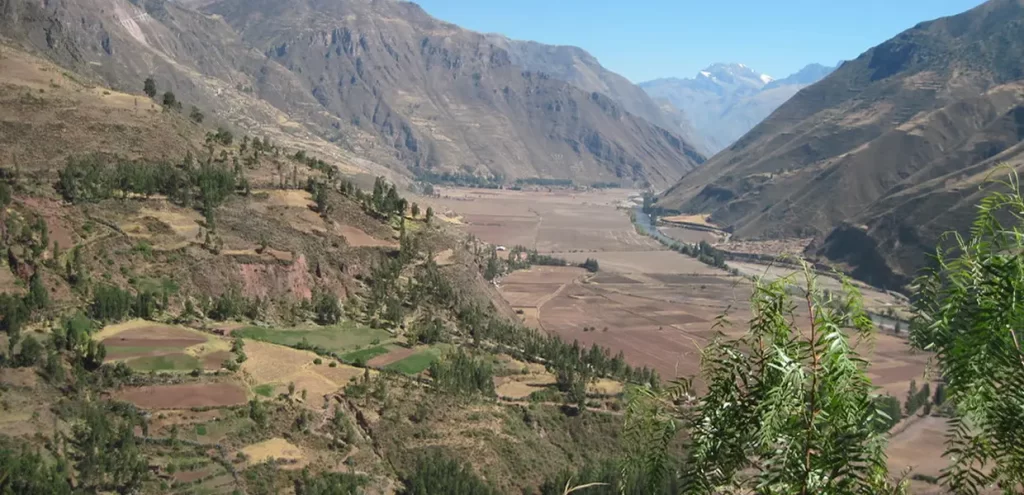
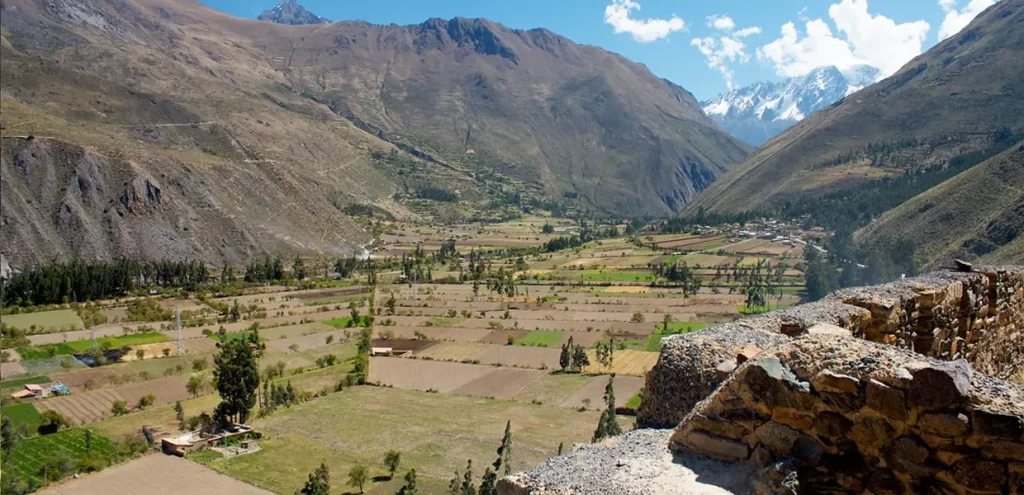
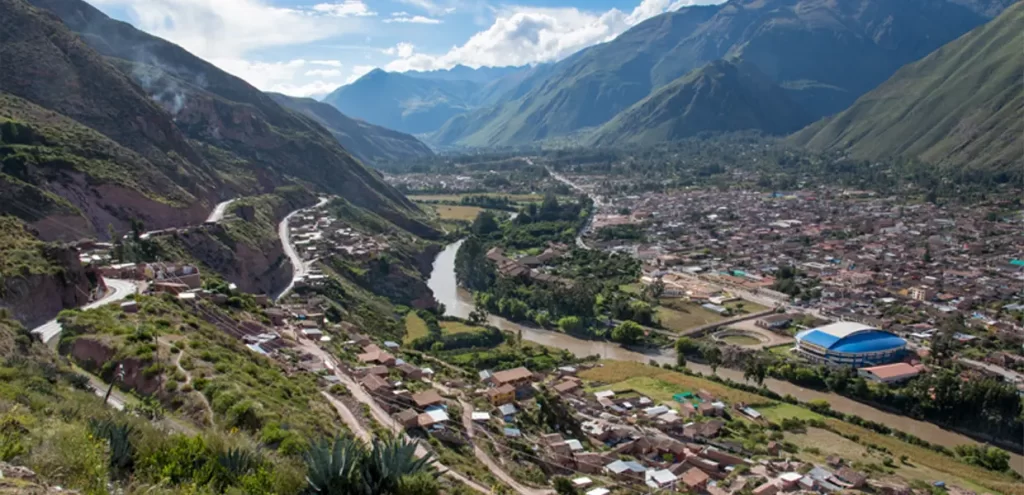
Green landscapes and full rivers create striking scenery.
Lower prices for accommodations and tours.
Local festivities like Carnival add cultural value to the experience.
Cons
Frequent rain and muddy conditions may limit outdoor activities.
Cloudy weather reduces visibility in some viewpoints.
Transport disruptions are more likely due to weather.
Recommendations
Check the weather forecast daily and plan your tours accordingly.
Travel early in the day. Rain is more common in the afternoons.
Stay overnight in the Sacred Valley to avoid unnecessary trips back to Cusco.
Focus on cultural and archaeological sites that remain open regardless of the weather.
Hire local guides who understand the terrain and seasonal challenges.
Always carry rain gear, extra clothing, and water-resistant footwear.
Avoid planning long hikes or high-altitude treks during this month.
If visiting Machu Picchu, take the train from Ollantaytambo or Urubamba.
Visiting the Sacred Valley in February offers a truly unique experience. While many travelers avoid this time of year because of the rainy season, others see it as a great time to explore without the crowds. The landscapes are greener than ever, and although the Inca Trail is closed, most archaeological sites remain open. If you’re planning trips to visit the Sacred Valley, here’s everything you need to know.
What is the weather like in the Sacred Valley in February?
The weather in the Sacred Valley during February is mostly wet, with cloudy skies and regular rain showers. Since it’s the middle of the rainy season, you can expect some heavy rains, especially in the afternoons or evenings. Still, mornings often start with a sunny day before the clouds roll in.
Humidity is high, and mist often drapes the mountains, creating a mystical atmosphere that photographers and nature lovers adore. This month is not part of the dry season, so packing a waterproof jacket is essential.
What is the temperature in the Sacred Valley in February?
During February, temperatures range between 8°C (46°F) at night and 20°C (68°F) during the day. The average temperature hovers around 14°C (57°F), making the climate relatively mild compared to other high-altitude destinations.
Despite the rain, it’s never freezing cold, but mornings and evenings can be chilly. If you plan to explore early or stay out late, bring layers and consider sun protection for daytime activities.
Does it rain in the Sacred Valley in February?
Yes, it rains frequently. February is one of the wettest months in the Sacred Valley, with weather conditions that change quickly. Rain typically comes in bursts, so you might have several hours of dry weather followed by sudden heavy rain.
Even though the Inca Trail is closed, the valley itself remains open, and many trails are still walkable with the right gear. Waterproof shoes and a waterproof jacket will help you enjoy your visit without discomfort.
Is the Sacred Valley crowded in February?
Not at all. February is considered low tourist season in Peru. Since the Inca Trail is closed for maintenance, fewer hikers come to the region, which means most archaeological sites are quieter than usual.
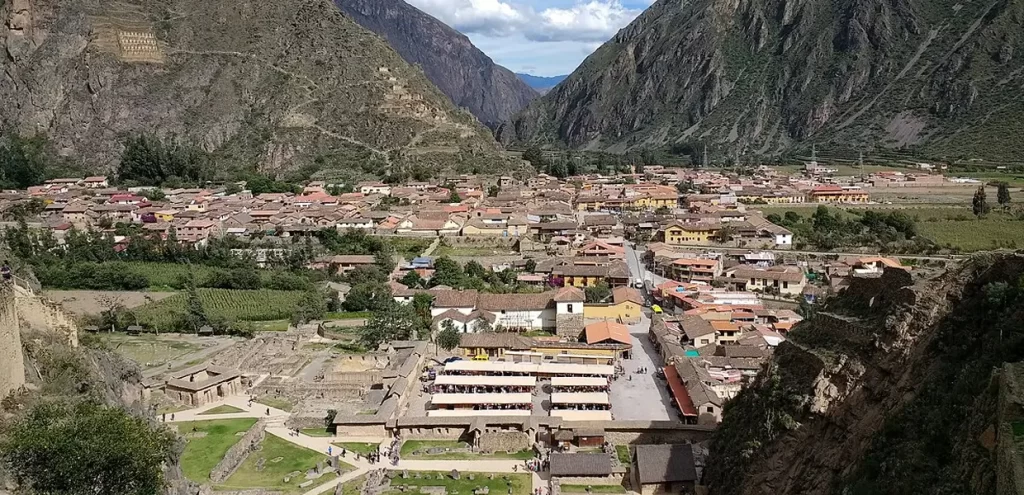
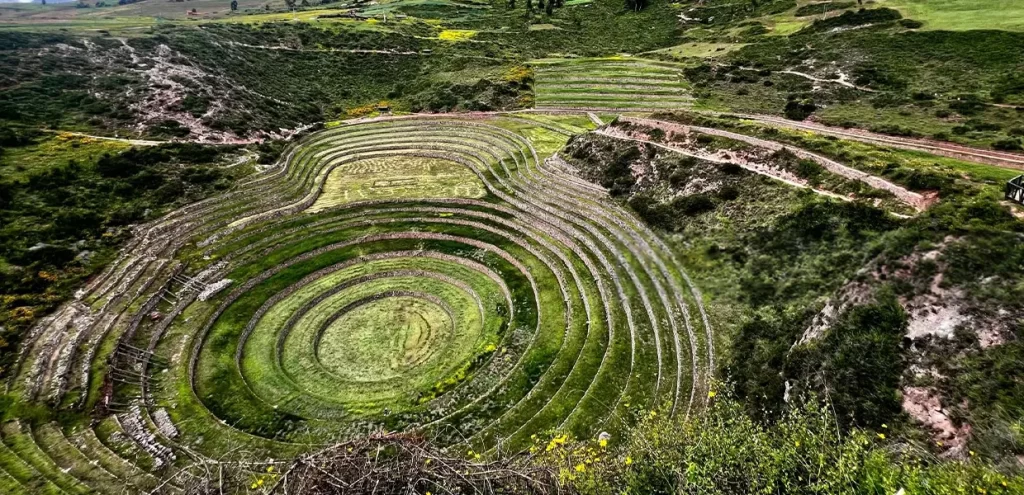
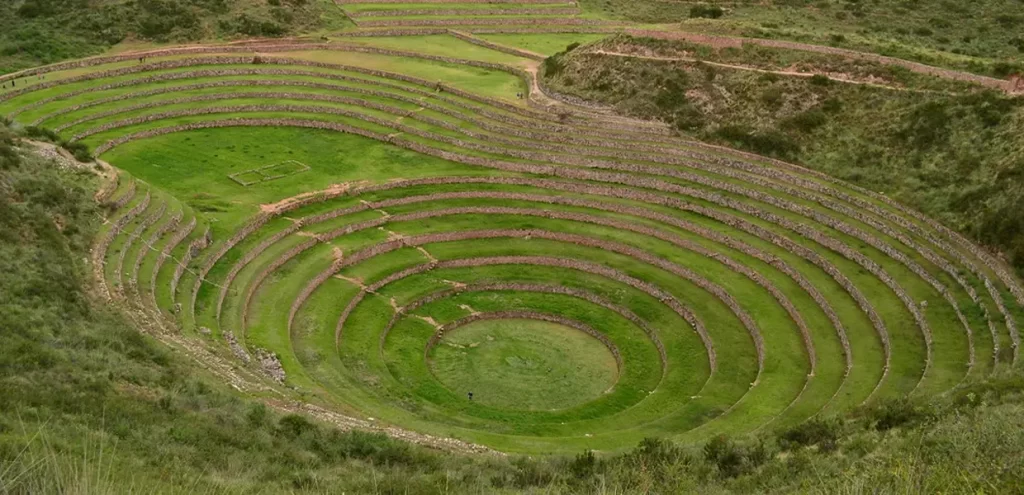
If you’re someone who enjoys traveling away from the high season rush, this is a good time to visit. You’ll have more space to explore places like Ollantaytambo, Pisac, and Moray with fewer tour groups around.
What activities can I do in the Sacred Valley in February?
Even with the rain, many trips to visit the Sacred Valley are still possible—and enjoyable. Some recommended activities for February include
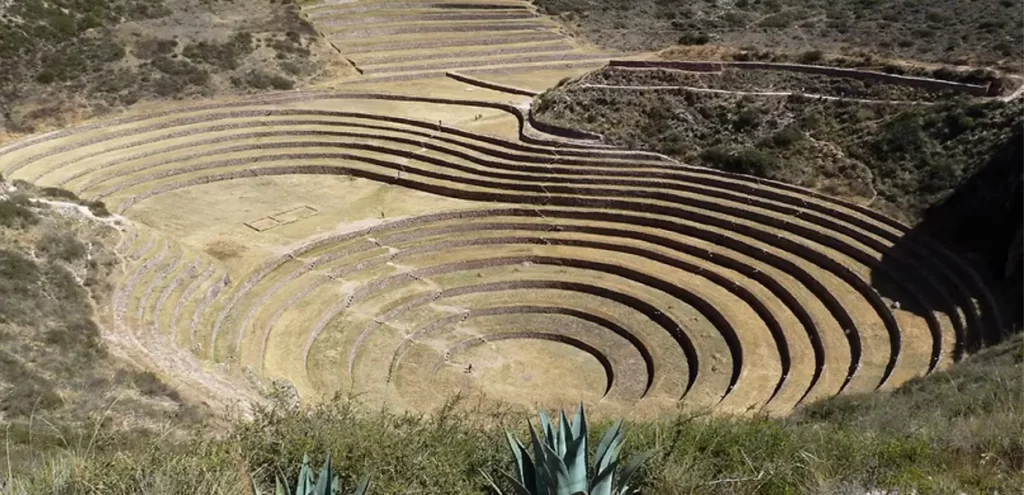
Visiting archaeological sites like Ollantaytambo, Chinchero, and Moray, which all remain open.
Explore local markets in Pisac and Urubamba, where you’ll find handmade textiles and natural dyes.
Participating in cultural experiences, such as pottery workshops or cooking classes with local communities.
Taking scenic drives between villages, enjoying the lush, green views created by the rainy season.
Visiting weaving centers and learning about sacred valley traditions passed down for generations.
If you’re adventurous, horseback riding and biking are possible—just check the weather conditions beforehand.
What events happen in the Sacred Valley in February?
February may not be packed with festivals, but there are still a few meaningful cultural events:
Carnaval (dates vary): A lively celebration across the Cusco region, including the Sacred Valley. Expect colorful parades, water fights, dancing, and traditional Andean music.
Smaller local festivals in villages like Calca or Yucay: These often include religious ceremonies, community meals, and lots of music.
While these aren’t huge international events, they offer an authentic glimpse into local life and customs during the rainy season.