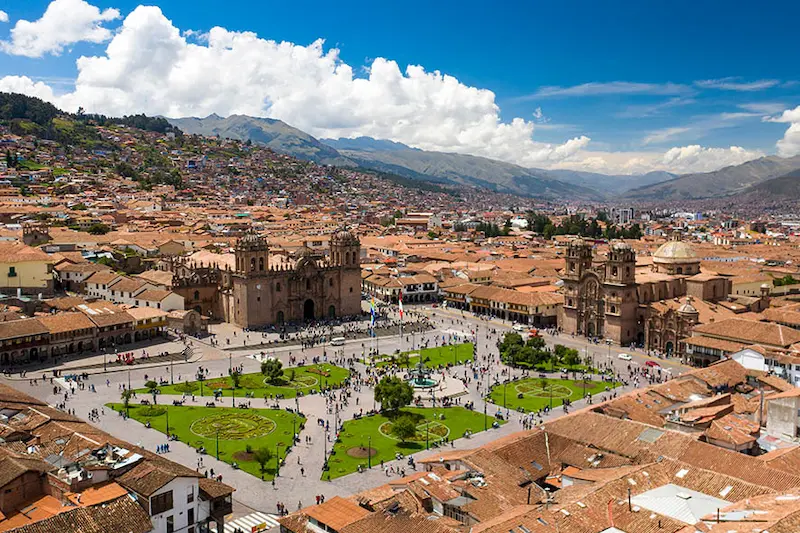
Nestled in the hills above the historical center of the city of Cusco, the San Blas neighborhood in Cusco offers travelers a rich tapestry of culture, art, and history. This bohemian enclave, often called the “Balcony of Cusco,” charms visitors with its narrow cobblestone streets, artisan workshops, and colonial-era buildings. More than just a pretty place, San Blas is a living representation of the city’s layered heritage.
Why Visit the San Blas Neighborhood in Cusco?
Above all, the San Blas neighborhood in Cusco offers a chance to connect with the living heartbeat of Andean culture. It’s not just about seeing churches or shopping for souvenirs—it’s about experiencing a slower rhythm of life where creativity thrives.
Compared to more commercialized districts, San Blas maintains an authentic charm that resonates deeply with curious travelers. The sights, sounds, and smells of this area evoke centuries of blended tradition.
What Makes the San Blas Neighborhood in Cusco Special?
Unquestionably, San Blas in honor of the patron saint continues to be one of the most distinctive districts in Cusco. Its unique combination of Inca foundations and colonial architecture reflects centuries of transformation. This area has long been home to skilled local artisans and spiritual leaders, and today it remains a hub for creatives and seekers.
Furthermore, its elevated location provides stunning panoramic views over the city, especially at sunset from the San Blas viewpoint. Whether you’re interested in history, local life, or fine craftsmanship, San Blas delivers an unforgettable experience.
Top Things to See in San Blas
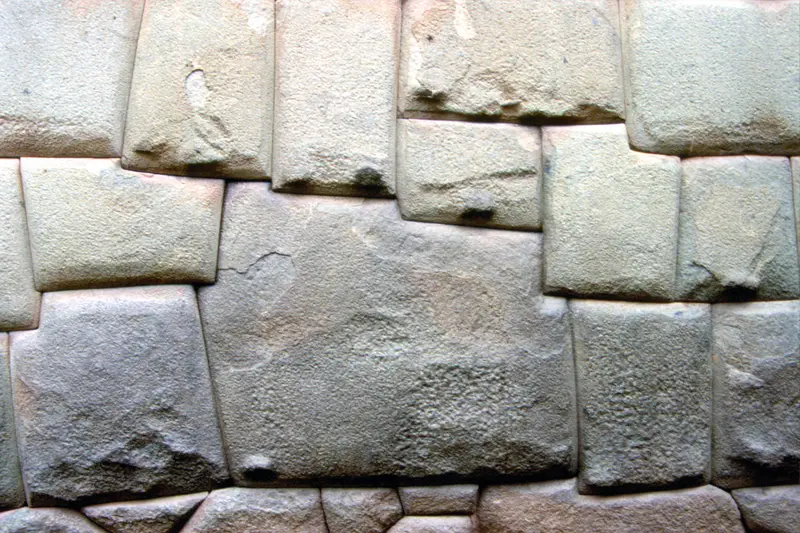
Hatun Rumiyoc Street and the 12-Angle Stone
Especially notable is Hatun Rumiyoc Street, which connects the Plaza de Armas to San Blas. Along this historic road, the Inca-built walls are so precisely cut that no mortar is needed. Among these, the 12-Angle Stone attracts curious visitors and photography lovers alike. Also known simply as 12 angles, it’s a marvel of ancient engineering.
The Temple of San Blas
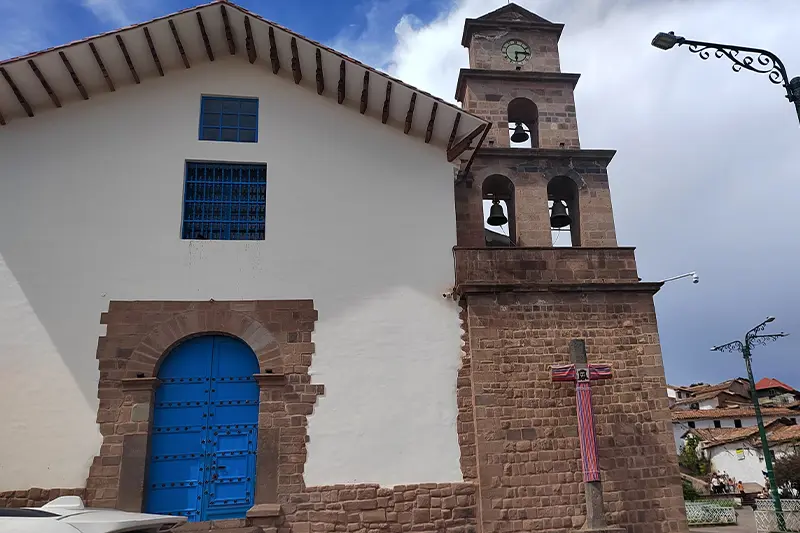
At the center of the neighborhood sits the Temple of San Blas, a small but significant colonial church. Its most treasured feature is the pulpit—carved from a single piece of cedar wood and considered one of the finest examples of baroque craftsmanship in South America.
Despite its humble exterior, the church contains an impressive collection of colonial religious art and offers insight into Cusco’s ecclesiastical history.
Hilario Mendivil Gallery and Family Legacy
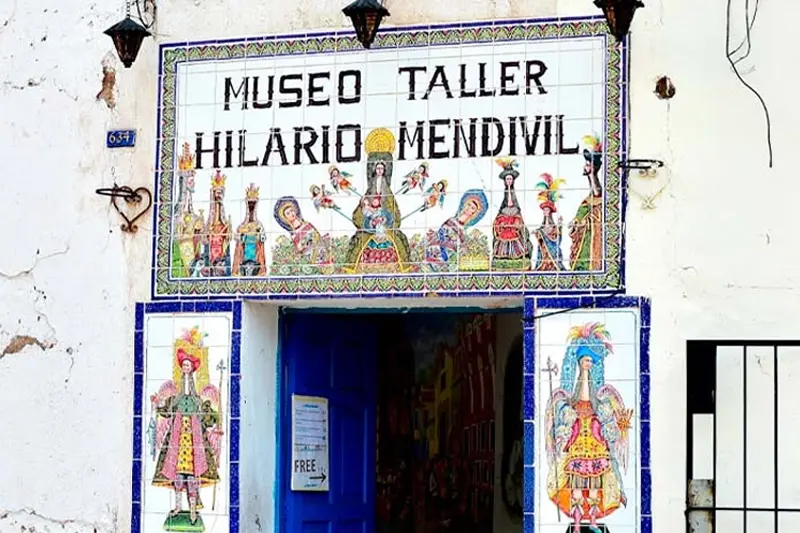
Also worth a visit is the Hilario Mendivil and family gallery, where the famed local artist’s unique style lives on through his descendants. Known for their elongated-neck saints and religious figures, the Mendivil family’s work represents a fusion of Andean tradition and Catholic influence.
These sculptures, often displayed in museums worldwide, are still made in the original family home and workshop.
Olave Crafts and the Merida House
Another highlight is the studio of Antonio Olave, a contemporary of Mendivil whose images of the Niño Manuelito have become iconic. His expressive wooden carvings often depict religious themes with emotional depth.
Just steps away, the Merida House showcases a collection of finely detailed retablos and other devotional objects, adding to the area’s artistic richness.
Exploring the San Blas Market
Located a few blocks from the square, the San Blas Market is a compact, local space where residents shop for produce, meat, and household goods. Although smaller than the famous San Pedro Market, it offers a more authentic look at daily life in Cusco.
Besides groceries, you’ll find food stalls serving hot soups, fresh juices, and affordable set lunches—perfect for a midday break.
Art, Jewelry, and the Famous San Blas Earring
San Blas is celebrated for its handcrafted goods. In particular, the San Blas earring, inspired by baroque designs from the local church, is a popular keepsake among visitors.
Additionally, the area is home to art galleries, silversmiths, local artisans, and painters. Galleries and small boutiques showcase original pieces, from alpaca wool scarves to contemporary Andean canvases.
Is the San Blas Neighborhood in Cusco Dangerous?
Generally, San Blas is a safe neighborhood, especially during the day. Streets are frequently patrolled, and tourist police are present in high-traffic areas. Nonetheless, as in any urban setting, travelers should exercise caution at night and avoid secluded alleys.
Besides safety concerns, the altitude and steep inclines can be physically demanding. It’s best to take your time and stay hydrated when exploring the streets of San Blas.
What Should You Bring to San Blas?
To make the most of your visit, consider packing:
Comfortable shoes with good grip for uneven terrain
A refillable water bottle to stay hydrated at high altitude
Cash for artisan purchases (many shops do not accept cards)
A camera or smartphone for the beautiful streetscapes
Layers of clothing, including a jacket for the cool mountain breeze
Moreover, carrying a basic map or using offline navigation apps can help you locate hidden gems and workshops.
Are There Tours to San Blas?
Yes, both group and private walking tours include the San Blas neighborhood as part of a broader cultural exploration of Cusco. These guided experiences often begin at the Plaza de Armas and wind through historical routes like Hatun Rumiyoc before arriving at artisan studios and art galleries.
For a more flexible adventure, you may prefer a self-guided tour using online maps and guide apps that highlight notable stops and give background on local artists and landmarks.
Interesting Facts About San Blas in Cusco
The district’s original name in Quechua is T’oqokachi, meaning “salt hole,” referring to underground salt deposits.
Local artists from San Blas often contribute to religious festivals, particularly Corpus Christi and Santurantikuy, where they sell traditional figurines.
Many of the homes in San Blas still rest on original Inca stone foundations, a testament to the resilience of pre-Columbian architecture.
Image galleries and murals around the neighborhood reflect themes of identity, colonization, and spirituality.
San Blas artisans are said to have contributed to the construction of Machu Picchu, passing on their carving techniques through generations.
San Blas Neighborhood Image Gallery
While no gallery can fully capture the energy of famous San Blas, countless images taken here highlight the beauty of everyday life: grandmothers weaving textiles, children playing on cobbled streets, and artisans carving in sunlight.
Similarly, Instagram and travel blogs feature the area’s doors, balconies, and staircases, turning the San Blas neighborhood itself into an open-air exhibition.