

What Makes the Inca Trail So Famous?
The Inca Trail to Machu Picchu is more than just a hike—it’s a journey through history, biodiversity, and breathtaking scenery. Winding through the cloud forest, high-altitude mountain passes, and ancient archaeological sites, the trail offers a one-of-a-kind connection to the Inca Empire.
This legendary trail was originally part of an extensive network called the Qhapaq Ñan, or Royal Road, used by the Incas to connect their vast empire. Today, it remains one of the most popular and regulated hiking routes in South America. Along the path, travelers immerse themselves in a living museum, surrounded by pristine landscapes, majestic ruins, and living culture.
What Route Options Are Available on the Inca Trail?
There are several ways to experience It:
Classic Inca Trail (4 days, 3 nights): This is the most traditional and scenic route.
Day Inca Trail: A shorter version that still includes a visit to the Sun Gate and Machu Picchu.
Two-Day Inca Trail: Ideal for those with limited time who still want to enjoy part of the experience.
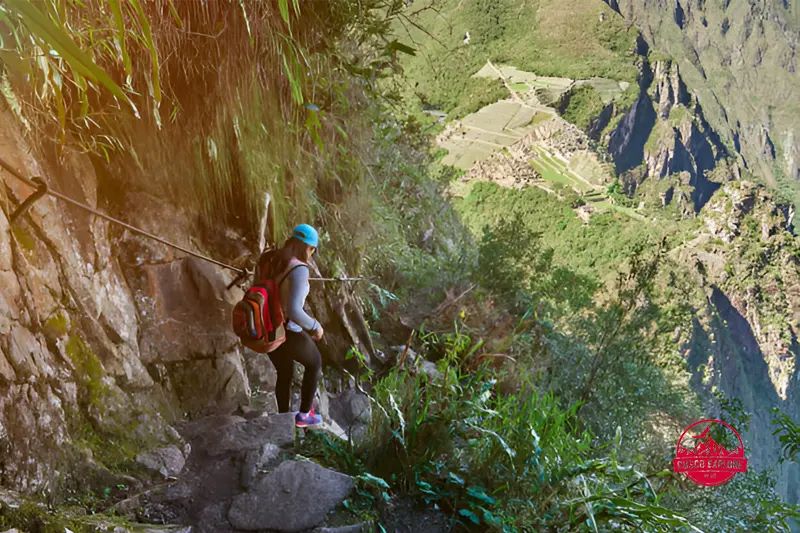
Each of these routes ends at the majestic citadel of Machu Picchu, providing an unforgettable reward after days of hiking. Additionally, every option allows hikers to witness rare orchids, exotic birds, and the mystical ruins that define the heart of the Andes.
What Is the Highest Point on the Inca Trail?
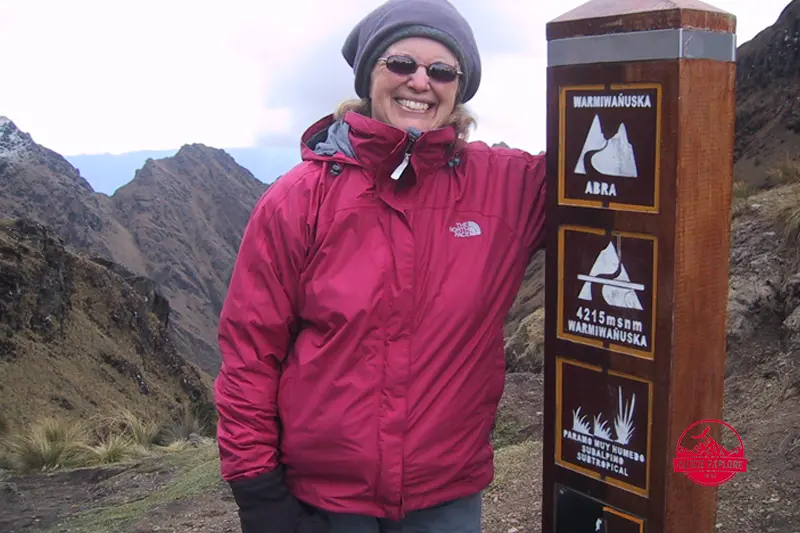
One of the most challenging aspects of the trail is Dead Woman’s Pass, located at an altitude of 4,215 meters (13,828 feet) above sea level. It is the highest point on the Inca Trail trek and requires serious acclimatization.
Hikers often feel the effects of high altitude, making this section both physically and mentally demanding. However, the panoramic views at the top are worth every step. The pass represents not only a physical barrier but also a symbolic threshold in the journey toward the sacred site of Machu Picchu.
When Should I Book the Inca Trail?
Due to its popularity, you must secure Inca Trail permits months in advance—especially if you’re traveling during the dry season from May to September.
Permits are limited to 500 people per day (including porters and guides), and the trail is closed every February for maintenance. Booking early with a licensed tour operator is essential to secure your spot and avoid disappointment.
What Is the Best Time of Year to Hike the Inca Trail?
The dry season (May to September) offers clear skies and cooler temperatures, making it the most popular time to visit. The rainy season (November to March) brings lush greenery but also muddy paths and limited visibility.
If you’re looking to avoid crowds while enjoying relatively good weather, consider traveling in April or October, during the shoulder season. During these months, the flora is vibrant, and the trails are less congested, enhancing the overall experience.
What Will I See on the Inca Trail?
It passes through a range of stunning ecosystems:
Cloud forests with rich biodiversity
Ancient Inca ruins like Wiñay Wayna, Phuyupatamarca, and Runkurakay
Majestic mountain views from the Andes
At the end of the hike, trekkers arrive at the Sun Gate (Inti Punku) just after sunrise for a first glimpse of Machu Picchu, a moment that’s both emotional and awe-inspiring. This dramatic entrance provides a spiritual introduction to one of the world’s most cherished wonders.
What Does a Typical Day on the Trail Look Like?
Expect early starts and long hikes ranging from 6 to 12 kilometers per day. Most itineraries include 3 or 4 days of hiking, with varied terrain, including steep ascents and descents.
Evenings are spent at designated campsites where porters and guides prepare meals and set up tents. The experience builds camaraderie among hikers and creates lifelong memories. Breaks along the way allow for rest, hydration, and photo opportunities of the diverse landscapes.
How Do I Prepare for the Inca Trail?
Proper preparation is key to enjoying your trek:
Spend a few days in Cusco or the Sacred Valley to acclimate.
Train with cardio exercises and uphill hikes.
Bring high-quality hiking boots and gear suitable for changing weather.
Also, pack light but essential items like:
Refillable water bottles or hydration packs
Rain gear (especially during the wet season)
Snacks and electrolytes
Mental readiness is equally important. Embrace the journey as a mix of challenge, discovery, and personal achievement.
Can I Hike the Inca Trail Without a Guide?
No. The Peruvian government requires all trekkers to go with a licensed Inca Trail tour operator, which includes trained guides and porters. These professionals ensure your safety, provide cultural insights, and handle logistics.
This system helps preserve the archaeological sites and maintains a sustainable tourism model. Guided tours not only enhance your understanding but also contribute to the local economy and cultural preservation.
What Towns Are Near the Inca Trail?
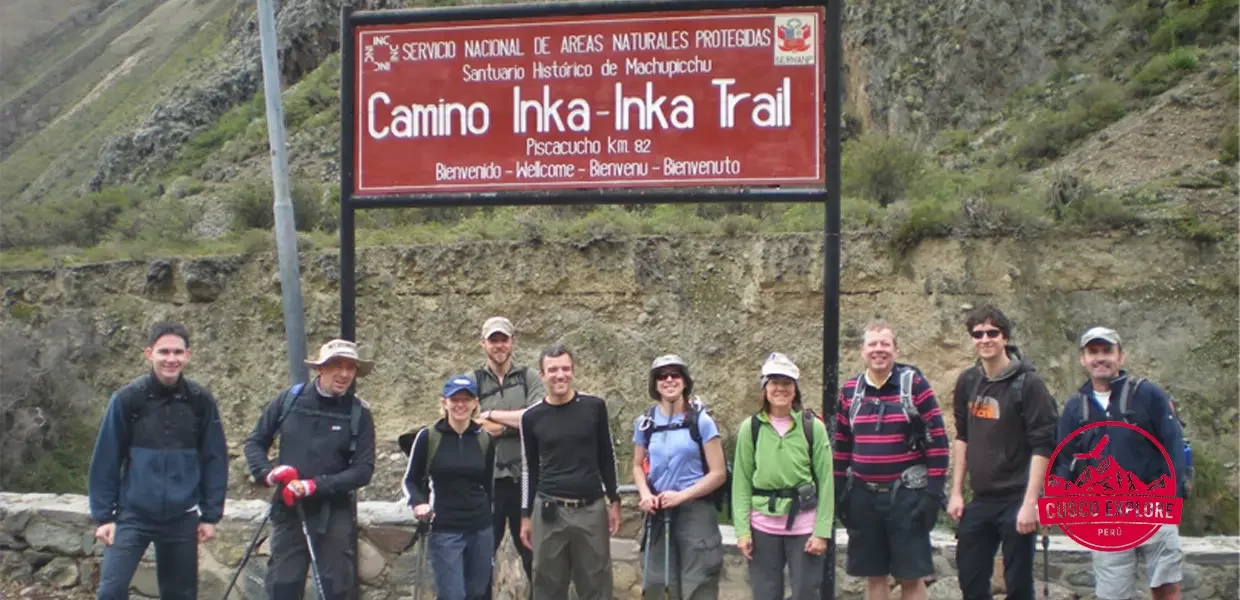
Most treks begin with a transfer from Cusco or the Sacred Valley to Km 82, the official start point of the Classic Inca Trail. The trail ends at Machu Picchu, near the town of Aguas Calientes, where travelers can rest and explore.
Some hikers opt to extend their trip with visits to other Inca sites, such as Ollantaytambo or Pisac, or take a relaxing soak in Aguas Calientes’ thermal baths after completing the trek.
What Is the Connection Between the Inca Trail and Machu Picchu?
The Inca Trail was built by the Incas as a ceremonial pilgrimage route to Machu Picchu, emphasizing the site’s sacred nature. As such, the trail to Machu Picchu is not just a trek—it’s a spiritual and cultural journey.
Crossing through the Sun Gate, hikers gain a rare perspective that not all visitors experience, making it a deeply rewarding way to arrive at the citadel. The arrival often evokes emotional reactions, symbolizing triumph, connection, and respect for ancient civilizations.
Frequently Asked Questions
How difficult is the Inca Trail?
The trail is considered moderate to challenging due to the high altitude and elevation changes. Physical preparation and acclimatization are essential. Most people who train in advance and take time to adjust to the altitude complete the trail successfully.
How long is the Classic Inca Trail?
The trail spans approximately 42 kilometers (26 miles) and typically takes four days to complete. The route includes a mix of stairs, dirt paths, and narrow passes that test endurance and reward perseverance.
Can I do the Inca Trail year-round?
The trail is open year round except for February, when it closes for maintenance. Plan accordingly and check for updated trail status before booking.
Do I need travel insurance?
Yes, it is highly recommended. Many tour operators require it, especially for high-altitude trekking. Make sure it covers emergency evacuation, cancellations, and altitude-related issues.
Are meals included in the tour?
Most packages include all meals during the trek. Chefs prepare nutritious meals using local ingredients. Meals are designed to replenish energy and include soups, rice dishes, vegetables, and proteins.
How do I get from Aguas Calientes to Cusco?
You can take a scenic train ride back to Cusco or Ollantaytambo, followed by a bus or taxi transfer. Many tour packages include return transportation arrangements.


