


The Origins of the Peruvian Guinea Pig (PGP)
The Peruvian guinea pig, known locally as “cuy,” is a cherished animal in South America, especially in the Andean regions of Peru, Ecuador, and Bolivia. Unlike typical pet guinea pigs, this particular breed of guinea pig has a long history of domestication that dates back to pre-Columbian civilizations.
Ancient Andean people bred guinea pigs not only as a source of food but also for religious rituals. These animals played a significant role in traditional medicine and were even featured in art from the Inca Empire. Their popularity has endured, making them a cultural staple and a common sight in many households across Peru.

What Do Peruvian Guinea Pigs Look Like?
This guinea pig stands out due to its long haired breed characteristics. Known for their flowing guinea pig hair, they require daily grooming to keep their coat healthy. You may also find short haired varieties in Peru, though they are less visually striking.
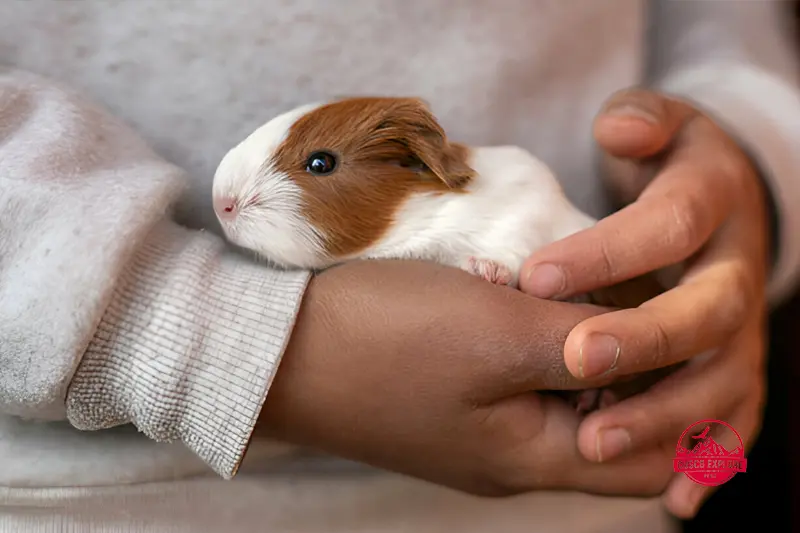
Most Peruvian guineas are medium-sized with alert eyes, short limbs, and a stout build. They are typically brown, white, black, or a mix of these colors. It should be noted that guinea pigs do not lay eggs, a common misconception, as they are mammals.
Eating Peruvian Guinea Pig
Consuming guinea pig meat is deeply rooted in Peruvian culture. It is considered a delicacy and is often reserved for special occasions, festivals, or Sunday meals. Guinea pig eating is not unusual in rural Peru, where the animal is appreciated for its protein-rich meat.

Popular Preparation Methods
Cuy al Horno (Roasted Guinea Pig): Whole guinea pig seasoned with local herbs and baked until the skin is crispy.
Cuy Chactado: The animal is marinated, flattened, and deep-fried under a stone, resulting in a crunchy texture.
Cuy Frito: Simple fried version with salt and garlic.
Cuy with Peanut Sauce: A regional variation where the meat is cooked in a creamy, spicy peanut sauce.
Cooking Tips
Preparation: The guinea pig must be cleaned thoroughly, removing fur and internal organs.
Marination: Marinades with garlic, cumin, vinegar, and local herbs are common.
Serving: Often served with sweet potato, corn, and spicy rocoto pepper sauce.
Nutritional Value
Guinea pig meat is low in fat and cholesterol but high in protein and essential amino acids, making it a healthy alternative to red meats.
How to Groom a Peruvian Guinea Pig
Keeping a Peruvian guinea pig healthy involves regular care. Because of their long haired nature, grooming is essential.
Grooming Essentials
Brushing: Use a soft-bristled brush every day to prevent matting.
Bathing: Bathe only when necessary, using small pet-safe shampoo.
Nail Clipping: Trim nails monthly to avoid overgrowth.
Ear Cleaning: Gently clean ears with a damp cotton swab as needed.
Additionally, always provide clean water and a high-fiber diet based on hay, vegetables, and pellets to support digestive health.
Health Issues That Affect Peruvian Guinea Pigs
Like other small pets, guinea pigs are prone to specific health concerns. Recognizing these early can ensure a long and happy life.
Respiratory Infections: Drafts and cold weather may cause pneumonia.
Scurvy: Due to a lack of vitamin C. Include peppers and leafy greens in their diet.
Dental Problems: Malocclusion can occur; provide chew toys and hay.
Parasites: Regularly check for mites and lice, especially if kept outdoors.
It’s important to note that guinea pigs are susceptible to temperature changes. Keep their environment stable, and avoid excessive humidity, especially during the rainy season.
Frequently Asked Questions About Peruvian Guinea Pigs
What makes the Peruvian guinea pig unique?
Its long, luxurious hair and cultural significance in South America distinguish it from other breeds of guineas. They also have a strong presence in traditional festivals and rural households, where they are both a source of food and a symbol of prosperity.
Can I raise a Peruvian guinea pig at home?
Yes, but they need special attention. Their long coats demand daily grooming, and their habitat should be clean and spacious. Be sure to provide clean water, a high-fiber diet, and appropriate bedding. They thrive in environments that are calm and consistent in temperature.
Is guinea pig meat common in Peru?
Absolutely. It is a celebrated guinea pig dish that plays a vital role in Andean culinary tradition. Restaurants in Cusco, the Sacred Valley, and even Lima often feature it on their menus. It’s especially popular during the dry season, when festivals and local markets offer traditional Andean foods.
At what age can guinea pigs be eaten?
Locals typically raise them to about 3–5 months old. At this young age, their meat is tender and flavorful. However, farmers also select based on size and weight, especially when preparing them for guests or religious offerings.
Do guinea pigs lay eggs?
No. They are mammals and give birth to live young. The confusion may stem from their small size, but like rabbits, guinea pigs reproduce through live birth and can have multiple litters per year.
What is the best time to eat guinea pig in Peru?
The dry season (May to September) is ideal for trying this dish at local festivals or during a visit to Machu Picchu or the Sacred Valley. During these months, many communities celebrate saints’ days, offering guinea pig alongside corn beer, potatoes, and other traditional dishes.
Are Peruvian guinea pigs good pets for children?
They can be, but children must learn how to gently handle and groom them. Adult supervision is essential, especially during cleaning, feeding, or playtime. Their long coats may also trigger allergies, so testing exposure first is wise.
How long do Peruvian guinea pigs live?
With proper care, they typically live 5 to 8 years. Genetics, diet, and living conditions significantly affect their lifespan. Routine health checks and a stress-free environment improve longevity.
What are the signs of a sick guinea pig?
Look for changes in eating habits, lethargy, wheezing, or patches of missing hair. Early intervention helps prevent serious illness. Regular grooming also helps detect problems early.
Are there different types of Peruvian guinea pigs?
Yes. While the long haired guinea pig is the most famous, there are variations within the Peruvian guinea category. Breeders often develop hybrids with specific coat colors and textures, but all require similar care routines.
Can guinea pigs develop health problems if not groomed?
Indeed, lack of grooming can cause tangles, skin infections, and parasite infestations. Daily grooming is vital, especially for the long-haired breeds. Neglect can also lead to stress and discomfort.


