

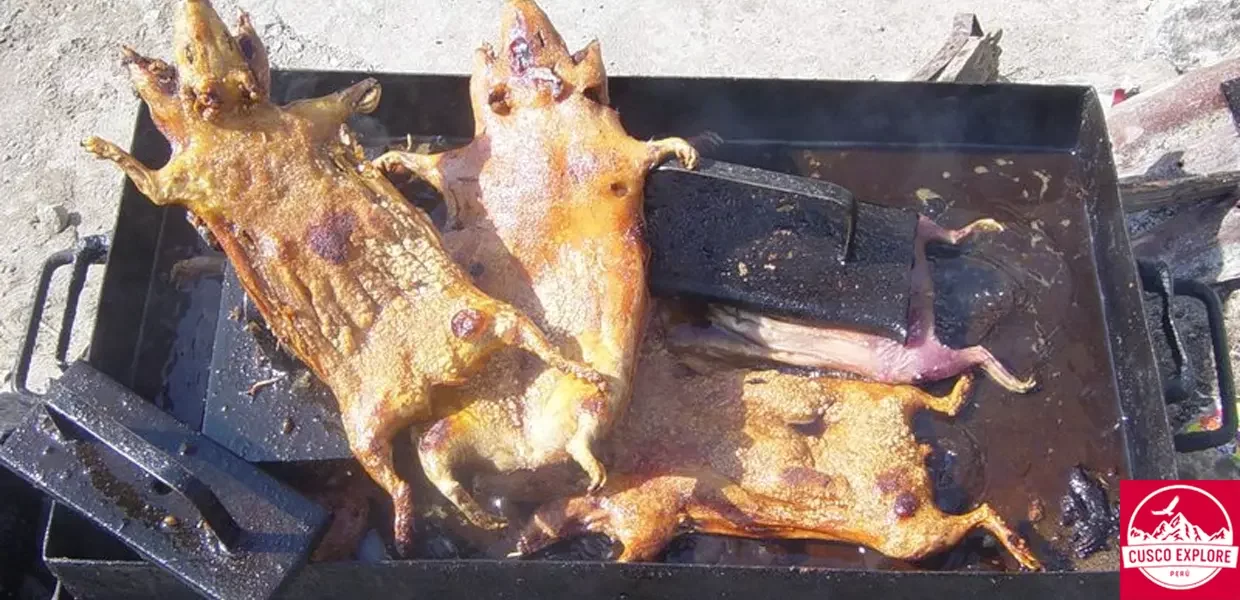
What Is Roasted Guinea Pig?
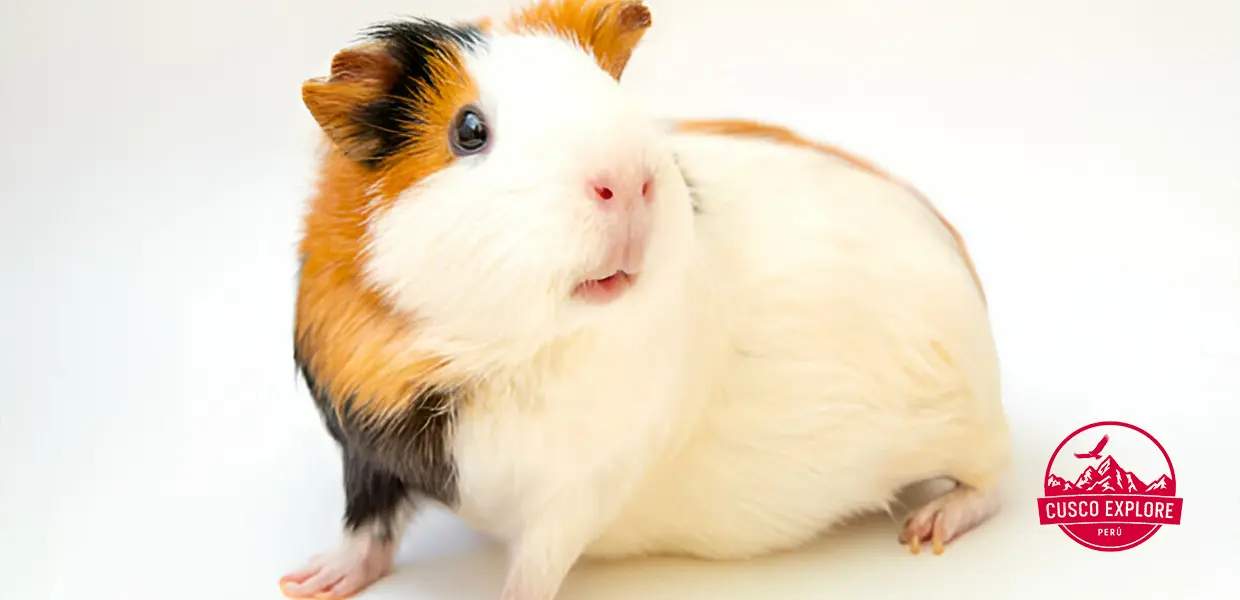
Roasted guinea pig, also known as cuy al horno, is a traditional Peruvian dish with deep cultural roots in the Andes. In many parts of South America, especially in Peru, guinea pigs—called “cuy“—have been a staple food source for thousands of years. These animals are not considered pets in the traditional Western sense but rather an important part of local diets and cultural celebrations.
Cooked in various ways, cuy can be roasted, deep fried, or grilled. However, the roast cuy preparation, where the guinea pig is seasoned and baked until crispy, remains one of the most authentic and respected methods of serving the dish.
Why Is Cuy So Important in Peru?
The consumption of cuy in Peru goes far beyond sustenance. It is a symbol of Andean identity and has been part of indigenous celebrations for centuries. The Incas considered guinea pigs sacred and used them in ceremonies and offerings to the gods. Today, the dish is frequently served during religious festivals, family gatherings, and important cultural events.
Visitors are often surprised to see cuy guinea pig on restaurant menus in places like Cusco, the Sacred Valley, and rural Andean towns. For locals, offering cuy is a sign of hospitality and honor.
How Is Roasted Guinea Pig Prepared?
Traditional Method of Cooking Guinea Pig
Preparing roasted guinea pig requires patience and care. The animal is typically cleaned, seasoned with a mix of native herbs, garlic, and salt, then roasted over open flames or in traditional clay ovens. This technique results in crispy skin and tender, flavorful meat.
Step-by-Step Roast Cuy Recipe
Clean the guinea pig thoroughly, removing fur, organs, and washing it in salted water.
Marinate with garlic, cumin, black pepper, huacatay (an Andean herb), and lemon juice.
Preheat the oven to medium-high heat.
Roast the guinea pig on a baking tray or skewered over an open fire, turning regularly to cook evenly.
Cook for 60–90 minutes, or until the skin is crispy and golden brown.
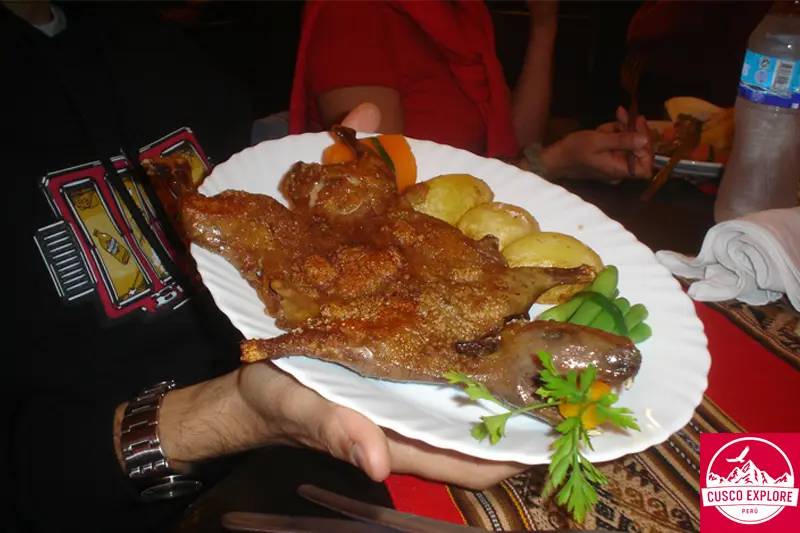
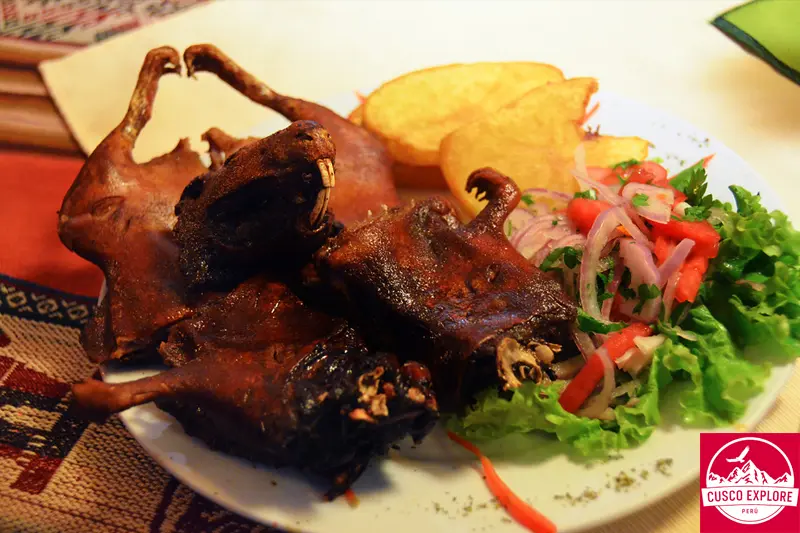
The end result is a roast cuy with savory meat and crunchy skin that pairs perfectly with sides like potatoes, corn, or even spicy rocoto sauce.
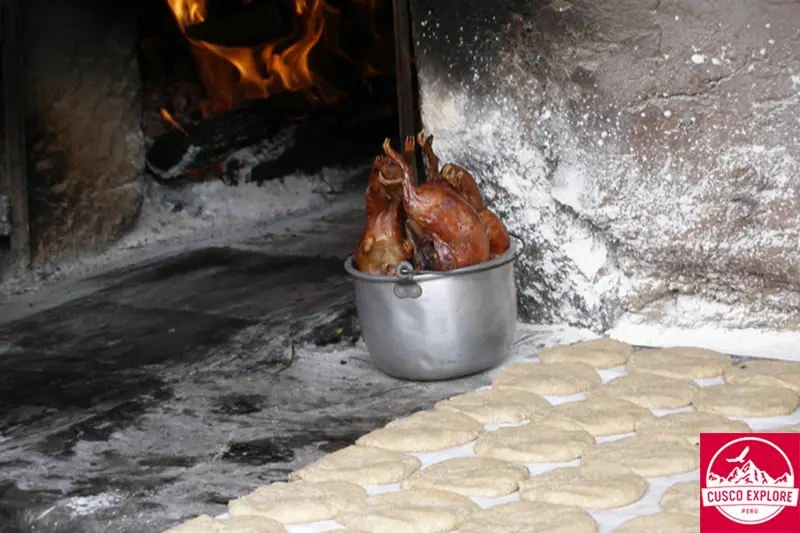
What Is Cuy Chactado?
Another beloved preparation is cuy chactado, which involves flattening the guinea pig and deep frying it under a heavy stone or weight. This cooking method ensures the meat cooks evenly and the skin crisps up wonderfully.
Cuy chactado is especially popular in southern Peru and is often served with potatoes, salad, and ají (spicy sauce). The contrast between the crunchy skin and tender interior makes this dish a favorite among both locals and adventurous tourists.
Is Roasted Guinea Pig Healthy?
Nutritionally speaking, guinea pig meat is quite healthy. It contains more protein and less fat than chicken, beef, or pork. It’s also high in omega-3 fatty acids and essential amino acids, making it an excellent choice for a balanced diet.
Unlike heavily processed meats, cooking guinea pig involves few additives, relying mostly on natural herbs and traditional methods. For many in the Andes, it remains a vital source of protein and nutrients.
Where Can You Try Cuy in Peru?
Travelers can find roasted guinea dishes in many Andean regions, particularly in:
Cusco – Restaurants often include cuy al horno or cuy chactado on their traditional menus.
Arequipa – Known for spicy, hearty versions of the dish.
Puno and Ayacucho – Common in religious and regional festivals.
Sacred Valley towns – Ideal for trying cuy in a more rustic setting.
While some upscale restaurants in Lima offer modern interpretations, rural settings provide the most authentic experiences.
What Should You Expect When Eating Roast Cuy?
Many first-time eaters are surprised by the dish’s presentation. Roasted guinea pig is often served whole, head and all, with its limbs outstretched. While this can be visually shocking, locals see it as a sign of respect and cultural authenticity.
The flavor is often described as a cross between rabbit and dark meat chicken. The skin, when properly roasted, becomes crispy and flavorful, while the meat is juicy and tender.
Eating it with your hands is not uncommon, and in fact, it’s encouraged to fully enjoy the textures and tastes.
Cultural Etiquette Around Cuy
When offered cuy in Peru, it’s considered polite to accept, especially if it’s part of a family celebration or community event. Refusing could be interpreted as a sign of disrespect.
If you’re a vegetarian or have dietary restrictions, it’s best to communicate this in advance. Many hosts are understanding and will offer alternative dishes.
Frequently Asked Questions About Roasted Guinea Pig
Is roasted guinea pig legal to eat?
Yes. In South America, particularly in Peru, Ecuador, and Bolivia, guinea pig is a traditional food and is perfectly legal. It’s regulated for health and safety like other meats.
How does roast cuy taste?
The meat is tender, slightly gamey, and similar to rabbit or dark-meat chicken. The crispy skin adds a satisfying texture that many enjoy.
Is it safe for tourists to eat?
Absolutely. As long as it’s prepared in a reputable location, roasted guinea pig is safe and even encouraged for culinary travelers looking for authentic dishes.
What does “cuy” mean?
“Cuy” is the Quechua word for guinea pig, derived from the sound the animal makes. In Peru, it’s used to describe both the animal and the dish.
Is it served with anything?
Yes. Typically, roast cuy is served with potatoes, corn, and sometimes rice or salad. Spicy sauces like ají or rocoto often accompany it.
Can I cook guinea pig at home?
If you can source it from a licensed and ethical provider, yes. Just follow traditional preparation steps and ensure thorough cooking for safety and flavor.


