

Why Choosing the Right Season Matters
Hiking the Inca Trail is a dream for many adventurers, and choosing the best time to hike the Inca Trail significantly impacts your overall experience. From the terrain to the visibility of ancient ruins, each season offers different benefits and challenges.
The trail passes through cloud forest, high altitude valleys, and diverse microclimates that fluctuate depending on the time of year. Therefore, understanding the seasonal weather conditions is key to a successful journey. Each step along this ancient path reveals both natural beauty and historic significance, and the time of year can influence how vividly that story unfolds.

The Inca Trail’s Two Main Seasons
The year is divided into two dominant trekking periods: the dry season and the rainy season.
The dry season lasts from May to September. These months are ideal for hikers looking for clear skies and solid trail conditions. Trails are firm, campsites are less muddy, and views are unobstructed.
The rainy season, from November to March, is known for lush green scenery but also slippery trails and heavier precipitation. Paths can be more treacherous, and fog may hide the panoramic vistas the trail is known for.
Importantly, the trail is closed for maintenance every February to allow for repairs and conservation work. This closure ensures the longevity and safety of the trail, preserving it for future generations.
Why Is the Dry Season the Best Time to Hike the Inca Trail?
Most consider the dry season the best time to hike the Inca Trail. During these months, you can enjoy steady sunshine, fewer muddy paths, and safer trekking routes.
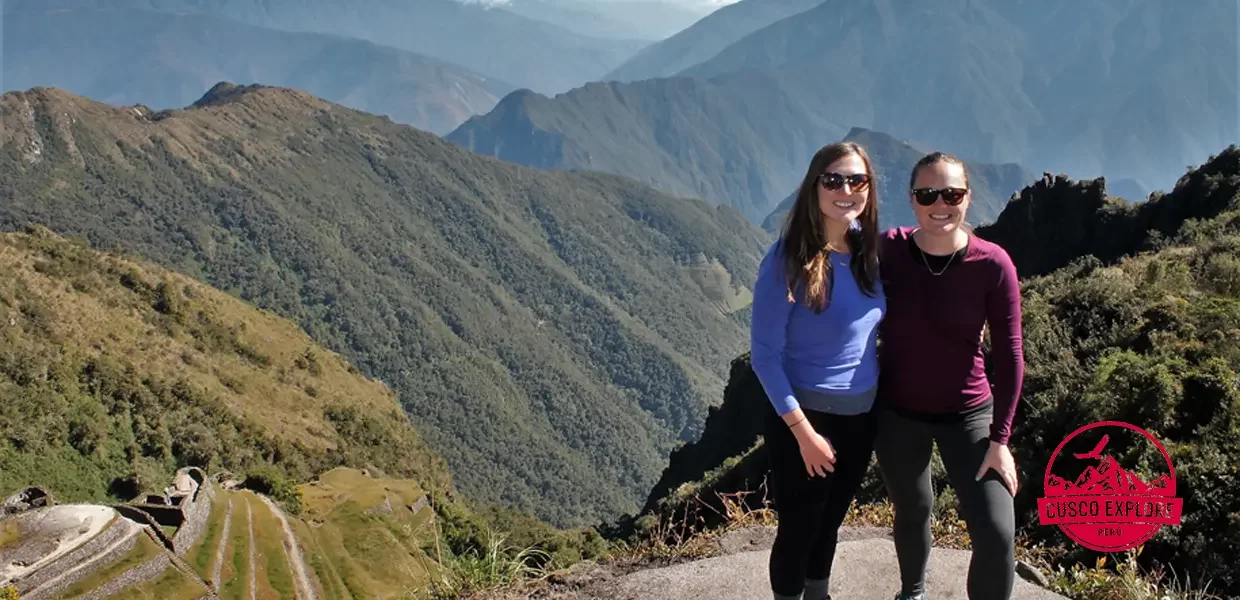
Additionally, the visibility at scenic points like Dead Woman’s Pass, the Sun Gate, and viewpoints over the Sacred Valley is generally excellent. This makes the experience more visually rewarding and ideal for photography.
That said, this period also corresponds with the high season, meaning the trail can be busy and permits must be booked months in advance. Campsites may be crowded, and you’ll likely share viewpoints with more travelers.
What About the Rainy Season?
Despite being less popular, the rainy season offers unique advantages. The landscape is exceptionally green, the crowds are minimal, and accommodation in Aguas Calientes is often easier to secure.
However, this season comes with riskier weather conditions. Hikers should prepare for wet clothing, fog, and trail sections that may be more difficult to navigate. Extra caution is advised when crossing steep, stone paths in these months.
Trails such as the classic Inca Trail can be surprisingly tranquil during this time, providing a more introspective experience for those who don’t mind getting a little muddy.
Month-by-Month Breakdown
January: Lush but very wet. Challenging trail conditions, but some trekkers find it peaceful.
February: Closed for maintenance. No hikes permitted.
March: Reopens late in the month. Trails are damp but not overcrowded. A transitional time.
April: The beginning of better weather. A great shoulder month with decent visibility and fewer hikers.
May–August: Peak season. Dry, reliable weather. The best overall conditions. Crowds at maximum.
September: Still dry with fewer tourists. Highly recommended. Excellent visibility and availability.
October: Transition into the wet season begins. Still manageable and relatively uncrowded.
November: Wetter but manageable. Fewer crowds, ideal for solitude.
December: Holiday demand spikes. Mixed trail conditions. Popular with international visitors on vacation.
Factors to Consider When Choosing the Best Time
Trail Conditions
If you value safety and a firm trail, the dry season wins. Slippery rocks and high river crossings are common in the rainy season, and some detours may be necessary.
Scenery
The cloud forest bursts with life during the rainy season, showcasing Peru’s biodiversity. Flowers bloom in full color, and birds are more active. However, fog may obscure distant views, especially at high points like Dead Woman’s Pass.
Crowds and Permits
The classic Inca Trail is limited to 500 people per day (including guides and porters). During the peak season, spots vanish quickly—especially for the 4-day Inca Trail trek. Booking months in advance is not optional; it’s mandatory if you want your ideal dates.
Altitude and Acclimatization
No matter when you go, it’s crucial to acclimate before you hike. Spend a few days in Cusco or the Sacred Valley before attempting the high altitude trek. Altitude sickness can affect anyone, regardless of physical fitness.
Wildlife and Environment
Different seasons bring different animals to view. During the wetter months, you may spot frogs, hummingbirds, and more colorful flora. Dry season brings clearer nights for stargazing but fewer active creatures.
When Should You Visit Machu Picchu After the Trail?
Most treks end at the Sun Gate, overlooking the ruins of Machu Picchu. Weather impacts visibility here. Your best shot at a clear sunrise over the city is during the dry season.
If this view is a top priority, plan your trip from May to September. Clear skies and golden morning light make the entrance especially magical.
Packing Essentials for Any Season
Regardless of when you hike, bring these items:
Durable rain gear
Waterproof boots
Thermal layers
Sunscreen and sunglasses
Refillable water bottle and snacks
Personal medications, including altitude sickness pills
Moisture-wicking clothing
Being well-prepared makes a huge difference in comfort and safety. A quality backpack and light but effective clothing layers are your best allies.
Frequently Asked Questions
Can I hike the Inca Trail in February?
No. The trail is closed for maintenance the entire month to ensure environmental conservation and repair wear caused by tourism.
What month has the best weather?
May typically has the most favorable conditions—clear skies, dry trails, and vibrant landscapes, making it the most popular month to trek.
How far in advance should I book?
During high season, permits should be secured 4–6 months in advance. This applies to both the classic 4-day Inca Trail trek and shorter alternatives.
Is the trail harder in the rainy season?
Yes. Slippery terrain and potential flooding make the hike more demanding. Some may find it uncomfortable, especially with soaked gear.
What’s the advantage of hiking during the off-season?
Fewer crowds, a greener landscape, and increased solitude. Photographers and nature lovers often find this season more rewarding despite the rain.


