Intihuatana Stone

intihuatana stone machu picchu

What Is the Intihuatana Stone in Machu Picchu?

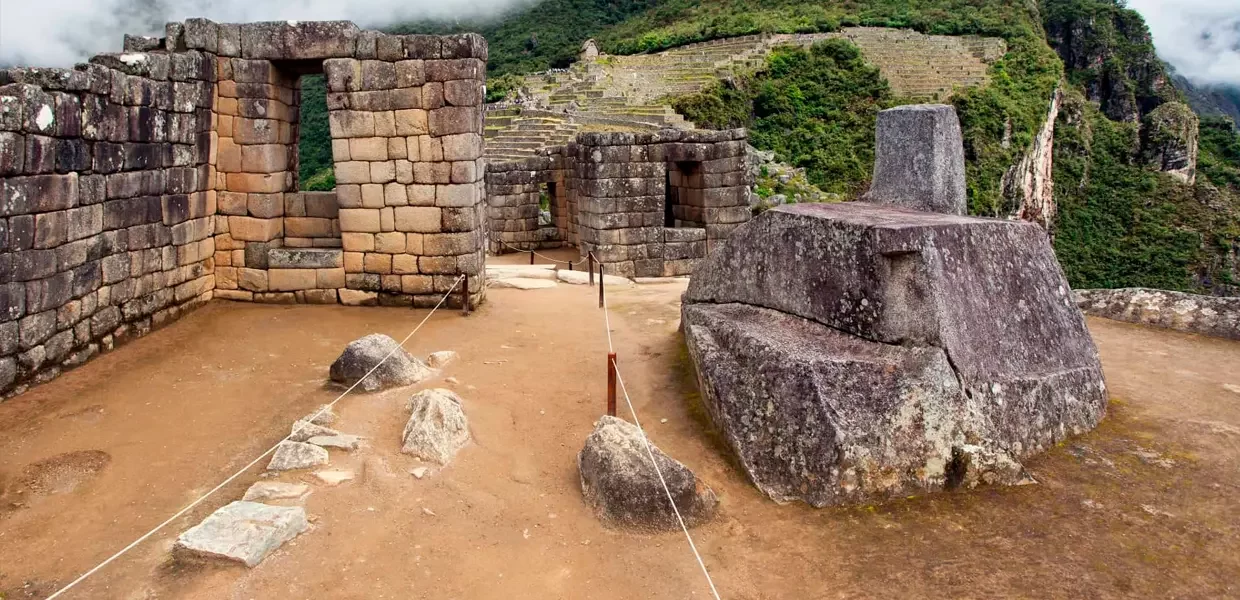
The Intihuatana Stone, often translated as “Hitching Post of the Sun,” is a mysterious and iconic monument found at the heart of Machu Picchu. This ritual stone holds significant cultural and astronomical importance in the Inca civilization. As a deep spiritual symbol, it served not only as a sacred site for ceremonies but also as an advanced astronomic clock or calendar.

Unlike ordinary rocks scattered throughout the Andes, Machu Picchu’s Intihuatana was deliberately carved and strategically positioned. It is a key part of the sacred complex, believed to have been used by Inca priests for rituals, agricultural planning, and tracking the solstices and equinoxes.

Why Is the Intihuatana Stone So Important to the Inca Empire?

Undoubtedly, the Intihuatana Stone was central to Inca spiritual life. The name itself implies a connection between the Earth and the Sun God Inti, the most revered deity in the Inca Empire. Priests likely performed rituals here to “tie the sun” to the stone, symbolically ensuring the return of daylight and stability of the seasons.

Importantly, the stone is aligned with the sun, making it an effective solar clock. During the winter solstice, the sun stands directly above the stone, casting almost no shadow. This astronomical alignment allowed the Incas to regulate their agricultural calendar with astonishing precision.

How Was the Intihuatana Stone Used as a Ritual Instrument?

In addition to its function as a solar calendar, the stone played a vital role in spiritual ceremonies. During Machu Picchu tours, guides often explain how the site was reserved for high-ranking members of society. Inca shamans and priests likely used the ritual stone to communicate with the divine world, predict harvest cycles, and perform offerings.

Furthermore, the Intihuatana’s location atop a terraced platform provided an unobstructed view of the sky. This architectural decision supports the belief that it served as an advanced astronomical observatory, used for tracking celestial movements and understanding natural patterns.

Where Is the Intihuatana Stone Located on the Trail to Machu Picchu?

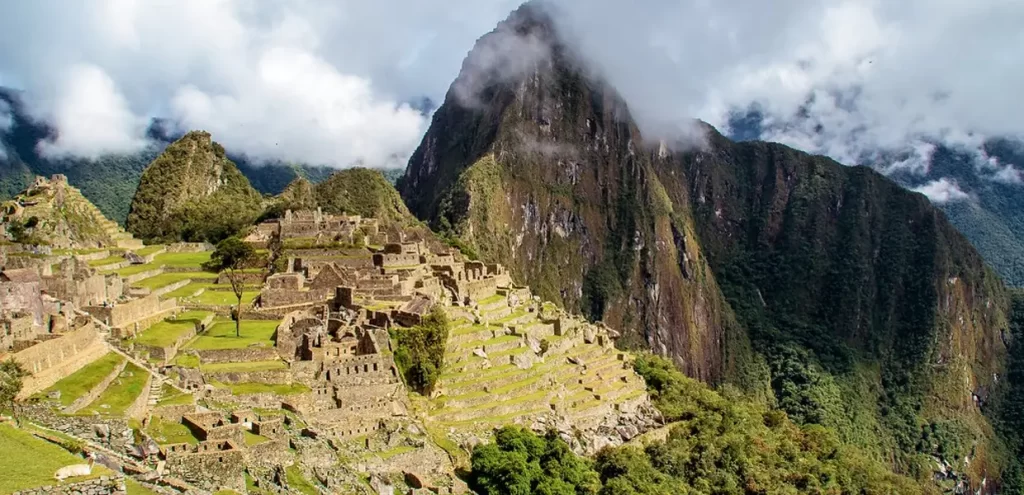
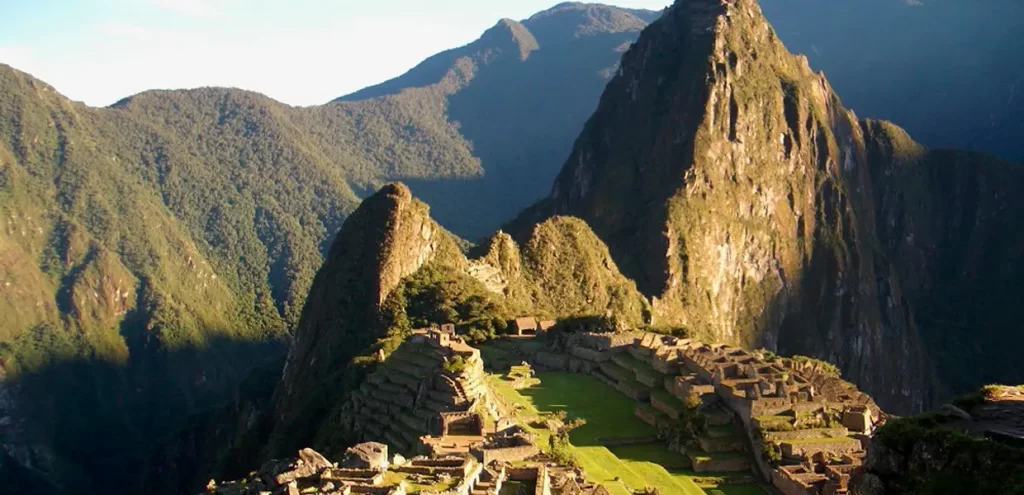
The Intihuatana Stone is situated in the upper section of the Machu Picchu archaeological complex, accessible to visitors who follow the main circuit or join a guided trail to Machu Picchu. Whether you’re arriving via the Inca Trail or by train from Aguas Calientes, the stone remains one of the highlights of the visit.

Additionally, many Machu Picchu tours include this sacred monument in their itinerary, emphasizing its relevance to understanding the spiritual and scientific achievements of the Incas.

What Is the Meaning Behind the Term “Hitching Post of the Sun”?

The poetic name “Hitching Post of the Sun” reflects the belief that this post of the sun prevented Inti from drifting too far during the shorter days of winter. Clearly, the Incas saw the sun as a life-giving force that needed to be preserved through devotion and ritual.

Notably, similar stones have been found in other Inca ruins, but most were destroyed during the Spanish conquest. Machu Picchu’s Intihuatana, however, survived untouched—possibly because the Spanish never discovered the hidden citadel. As a result, it remains one of the few intact ritual stones that showcase the spiritual ingenuity of the Incas.

How Is the Intihuatana Aligned With the Sun?

From an astronomical perspective, the Intihuatana’s alignment is nothing short of extraordinary. The four corners of the stone point to the cardinal directions, and its peak aligns with the sun’s position during key annual events such as solstices and equinoxes.

During the winter solstice, which occurs in June in the Southern Hemisphere, the sun stands directly overhead. At this precise moment, the stone casts no shadow, signaling the shortest day of the year. This level of solar calibration suggests the Incas understood solar clocks and celestial movements far better than most civilizations of their time.

What Role Did the Intihuatana Play in the Inca Trail Experience?

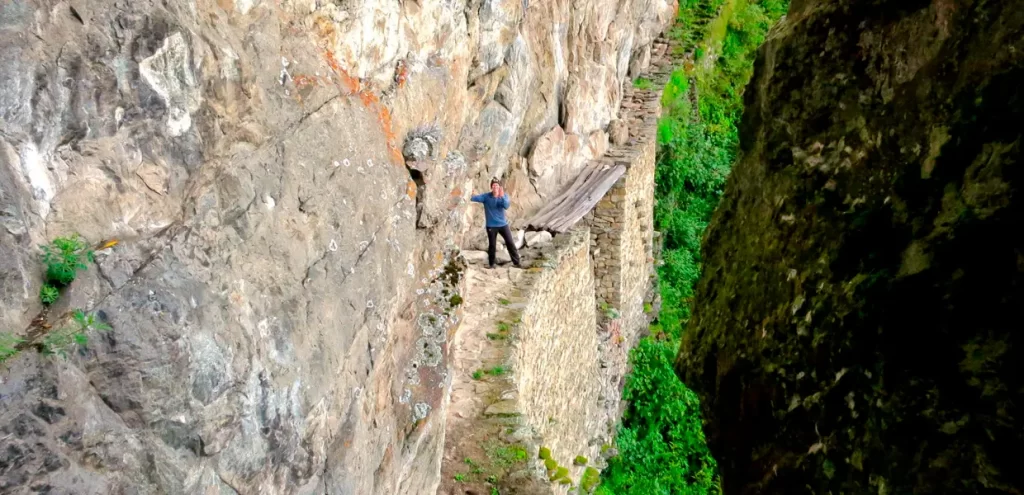
Hiking the Inca Trail is not only a physical journey but also a spiritual one. As trekkers approach Machu Picchu, they follow a route once used by messengers and nobles of the Inca Empire. The trail itself passes through diverse ecological zones and sacred sites, each contributing to a deeper connection with the Andean cosmos.

For many travelers, reaching the Intihuatana Stone represents the culmination of this transformative experience. It is a place to reflect, meditate, and appreciate the sophisticated worldviews of the ancient Incas.

How Did the Incas Build Such an Advanced Astronomical Tool?

The craftsmanship of the Intihuatana Stone reflects the Incas’ deep understanding of geometry, astronomy, and spiritual symbolism. Without the use of metal tools or written blueprints, Inca engineers managed to shape the stone with remarkable accuracy.

Their knowledge of astronomic clock or calendar systems was encoded into sacred architecture. The Incas observed the stars, moon phases, and solar movements from high-altitude platforms, applying this knowledge to religious rituals and agricultural planning.

Indeed, the Intihuatana represents a harmonious blend of science and spirituality. It symbolizes how the Inca civilization merged observation with faith to create monuments that still inspire awe today.

What Can Modern Travelers Learn From the Intihuatana Stone?

First and foremost, the Intihuatana teaches us to see the cosmos as a source of wisdom. Unlike modern technology, which often separates science from spirituality, the Incas integrated both to navigate life and nature.

Moreover, for visitors walking the trail to Machu Picchu, this monument is a reminder of the delicate balance between human innovation and natural forces. It encourages respect for the Sun God, reverence for the Earth, and a deep appreciation for ancient knowledge.

Finally, exploring this ritual stone allows us to reconnect with traditions that honor light, time, and cosmic cycles—values that remain relevant in our modern world.

Why Is the Intihuatana Still So Mysterious?

Despite extensive research, much about the Intihuatana Stone remains a mystery. Scholars debate its exact functions, and interpretations vary depending on historical sources. Some even argue it served more as a ceremonial altar than a solar device.

Nevertheless, one thing is certain: its presence in Machu Picchu’s sacred sector speaks volumes about the Incas’ reverence for the cosmos. As long as the sun continues to rise, the Intihuatana will remain a timeless symbol of Inca spiritual life.

Machu Picchu Blogs

Machu Picchu Tours