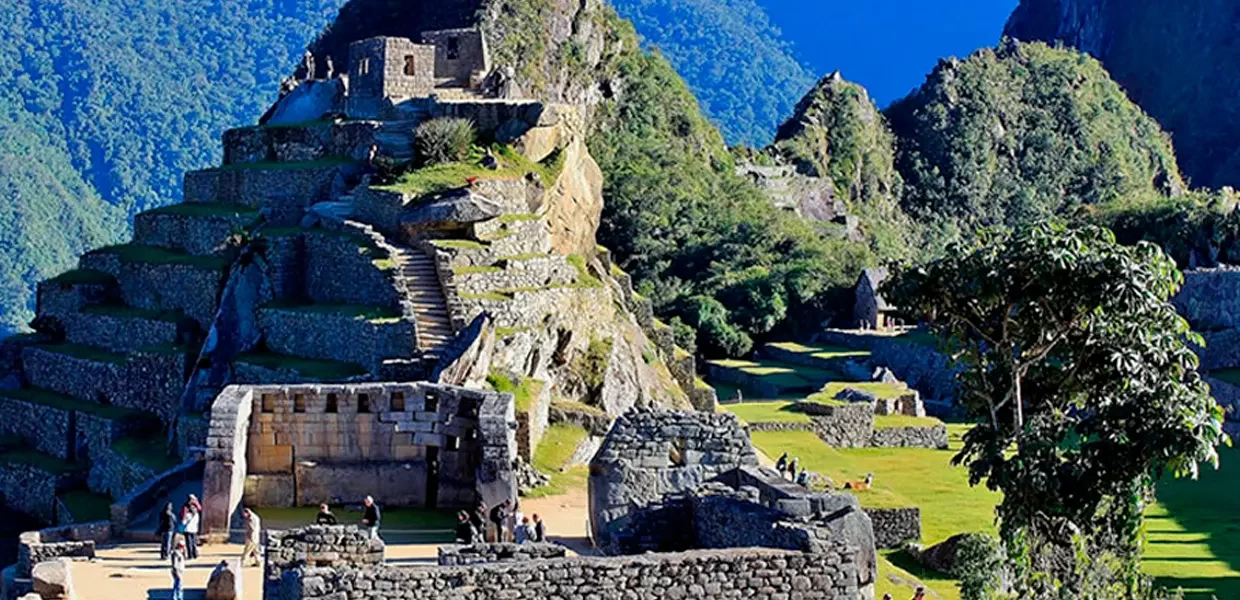
Machu Picchu is one of the most iconic archaeological sites in South America, and within its stone walls lies a place of profound historical and spiritual importance: the Sacred Plaza. Often overlooked by casual visitors, this central space is a key part of the urban sector of the citadel and played a critical role in the Inca Empire’s religious and ceremonial life.
In this article, we’ll explore why the Machu Picchu Sacred Plaza stands out as a cornerstone of the Inca civilization, what you’ll find there, how to reach it, and why it deserves your full attention when walking the Inca Trail or visiting the site.
What Is the Machu Picchu Sacred Plaza?
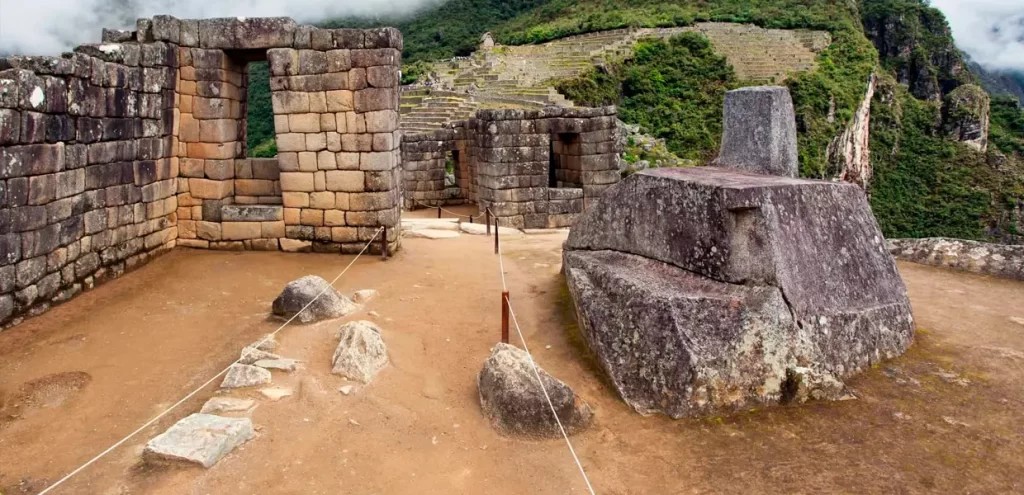
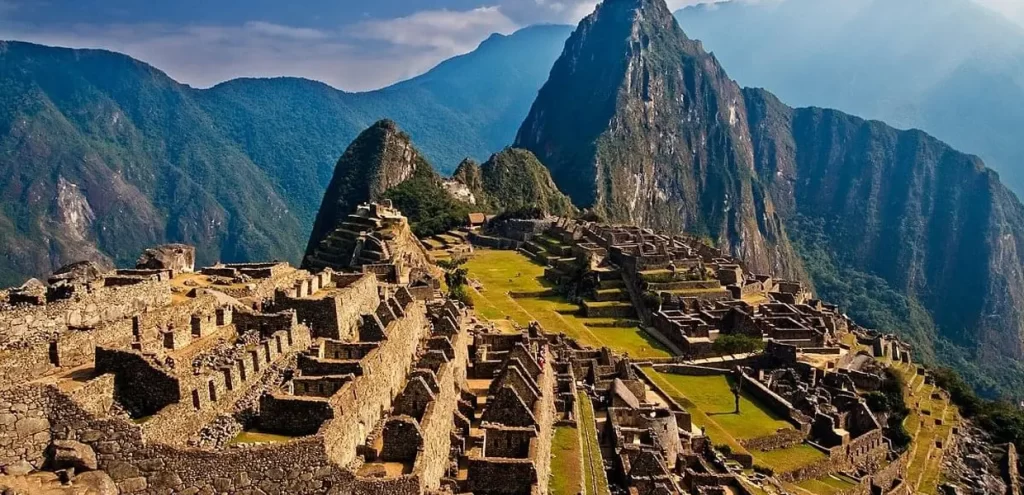
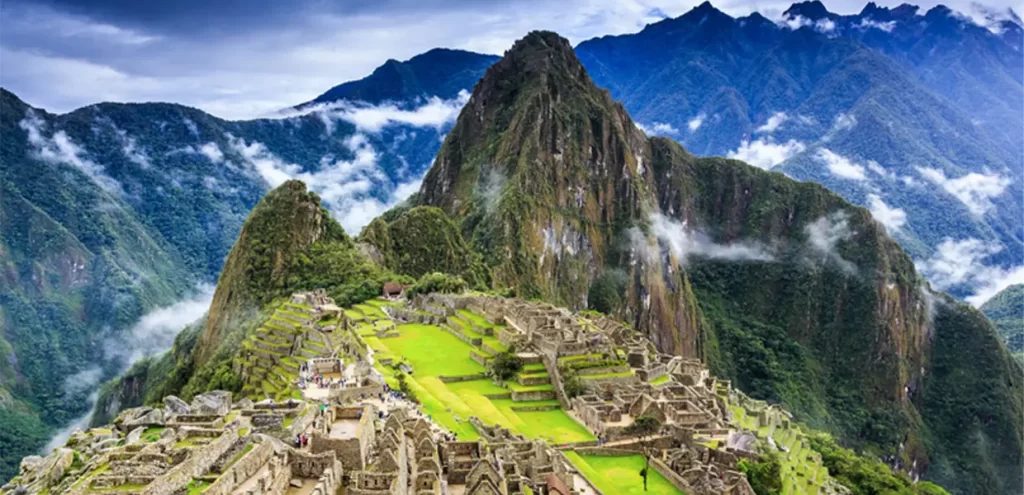
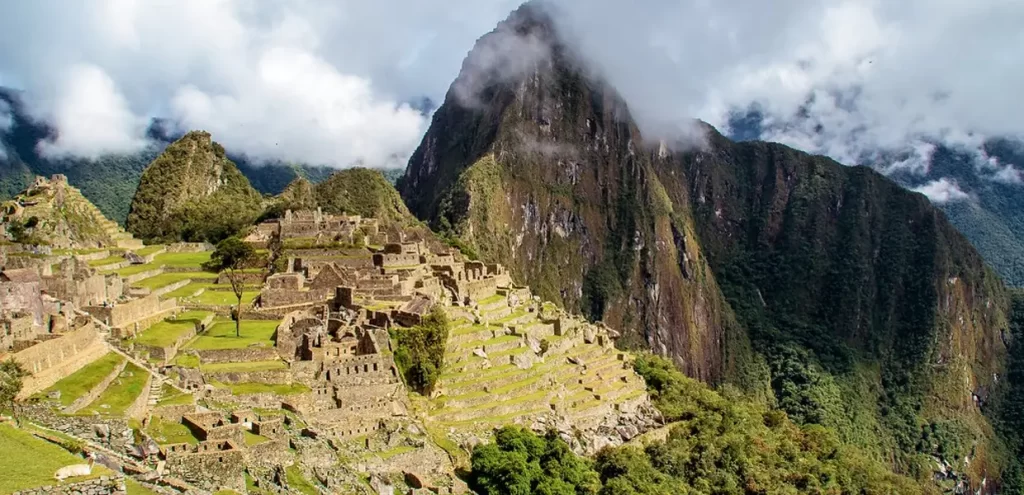
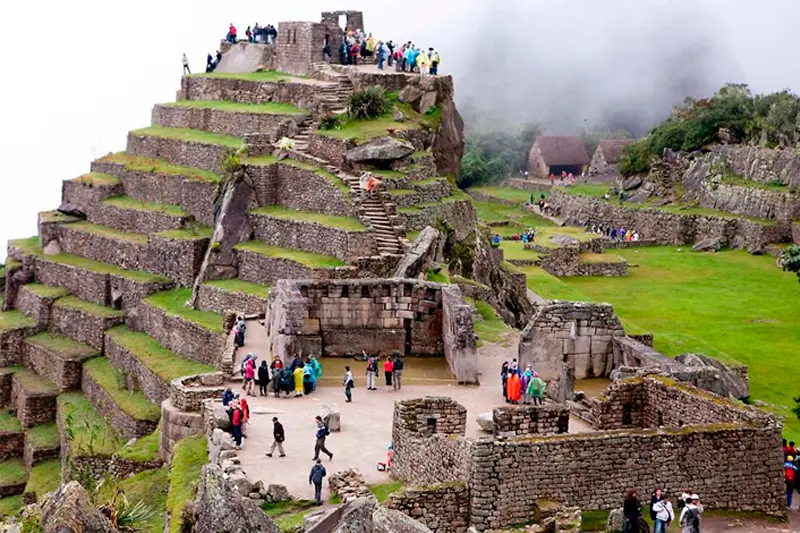
The Sacred Plaza is a rectangular open space strategically located at the heart of Machu Picchu’s urban sector. Surrounded by important buildings such as the Temple of the Sun, the Principal Temple, and the House of the High Priest, this area served as a ceremonial and administrative hub. The Sacred Plaza is located on the higher terraces, offering stunning views of the Urubamba River below and the towering Huayna Picchu mountain.
More than a simple square, the Plaza of Machu Picchu represents the intersection of spiritual, political, and cosmic principles that guided the Inca Empire.
Why Is the Sacred Plaza So Important?
For the Incas, urban planning was never random. Each structure and space had a cosmic purpose. The Sacred Plaza reflects the Incas’ advanced understanding of astronomy and religious hierarchy. It was the ceremonial heart where priests, nobles, and astronomers gathered to perform rituals dedicated to Inti, the Sun God.
This space likely hosted key ceremonies during solstices, where the sunlight aligned with the Temple of the Sun, a semicircular building believed to be one of the most sacred archaeological sites in the entire city.
In essence, this plaza connected the heavens, earth, and the underworld—a concept fundamental to Inca spiritual beliefs.
How to Reach the Sacred Plaza?
If you’re hiking the Inca Trail, your final reward is the panoramic view of Machu Picchu from Inti Punku (Sun Gate). Once you descend into the citadel, local guides often lead tours through the main sectors, concluding or highlighting the Machu Picchu Sacred Plaza.
Alternatively, visitors coming by train from Cusco or Ollantaytambo to Aguas Calientes can enter Machu Picchu and follow the designated circuits, many of which pass directly through the Sacred Plaza. It’s impossible to miss, as this space connects the site’s most important buildings.
What Can You See at the Sacred Plaza?
Here are the three most remarkable structures located in the Sacred Plaza of Machu Picchu:
1. The Temple of the Sun
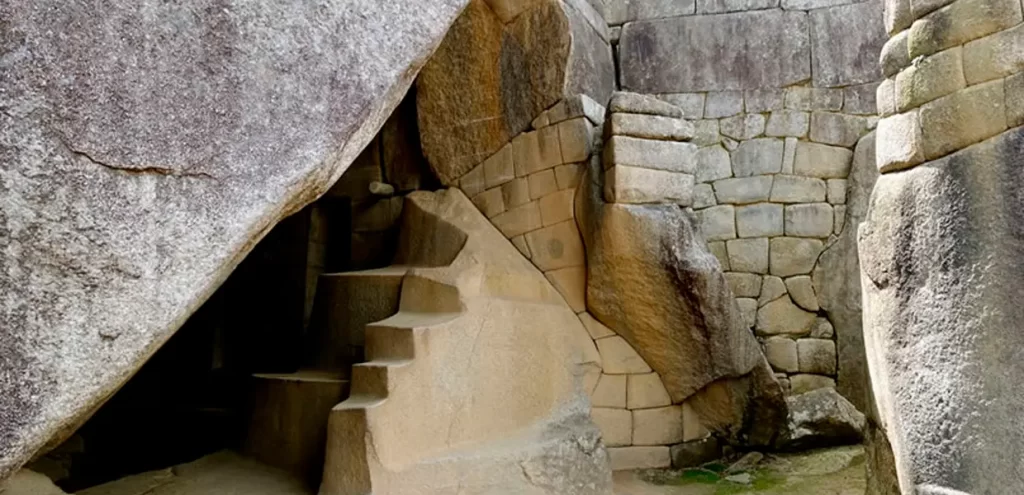
This semi-circular building sits atop a large natural rock and showcases some of the finest stonework in Machu Picchu. The temple of the sun is aligned with celestial events such as the winter solstice, allowing sunlight to pass through its trapezoidal windows at specific times of the year.
2. Principal Temple
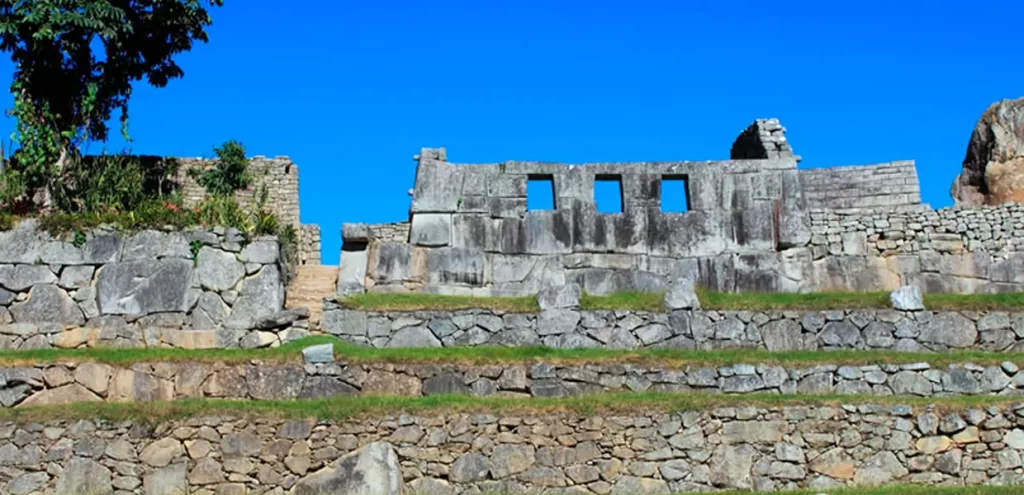
This massive three-walled structure likely served as a ceremonial center for elite rituals. Its symmetrical design and meticulous construction make it one of the finest examples of Inca architecture in the entire city.
3. House of the High Priest
Smaller than the other two, this building may have housed an important religious figure. Its location within the central plaza underscores its significance.
These structures together form a triad that encapsulates the Incas’ integration of religion, astronomy, and governance.
When Is the Best Time to Visit the Sacred Plaza?
The dry season (May to September) is considered the ideal time to visit. During these months, clear skies enhance visibility, making it easier to appreciate the urban sector layout and surrounding mountain views, including Huayna Picchu.
If you’re planning to hike the Inca Trail, booking months in advance is crucial, especially during peak season.
Why the Sacred Plaza Reflects the Genius of the Inca Civilization
The Machu Picchu Sacred Plaza is not just a physical location—it is a cultural symbol that embodies the Inca Empire’s worldview. From its astronomical alignment to its central role in religious ceremonies, the plaza showcases how deeply the Incas connected architecture, nature, and spirituality.
Their ability to design such a precise and meaningful space in a remote mountaintop location remains a testament to their advanced engineering and cosmological understanding.
What Makes the Sacred Plaza Different from Other Archaeological Sites?
Unlike many ancient plazas, which served primarily as gathering spaces, the Sacred Plaza of Machu Picchu functioned as a bridge between realms: spiritual and physical, human and divine.
It also offers:
Architectural precision that resists earthquakes
Panoramic views of the Urubamba River and Andean peaks
A central location connecting the most significant temples
A lasting spiritual energy felt by many modern visitors
This combination of form and function distinguishes it from any other archaeological site in the Andes.