Planning to visit Rainbow Mountain in March? You’re about to experience one of the most vibrant and rewarding moments hiking this iconic Peruvian destination. While March still falls within the rainy season, it marks a transitional period that offers a unique combination of lush scenery, fewer tourists, and increasingly stable weather conditions. In this guide, you’ll discover everything you need to know—from weather forecasts and trail conditions to gear recommendations, itinerary ideas, and expert tips to make the most of your adventure.
What Is Rainbow Mountain?
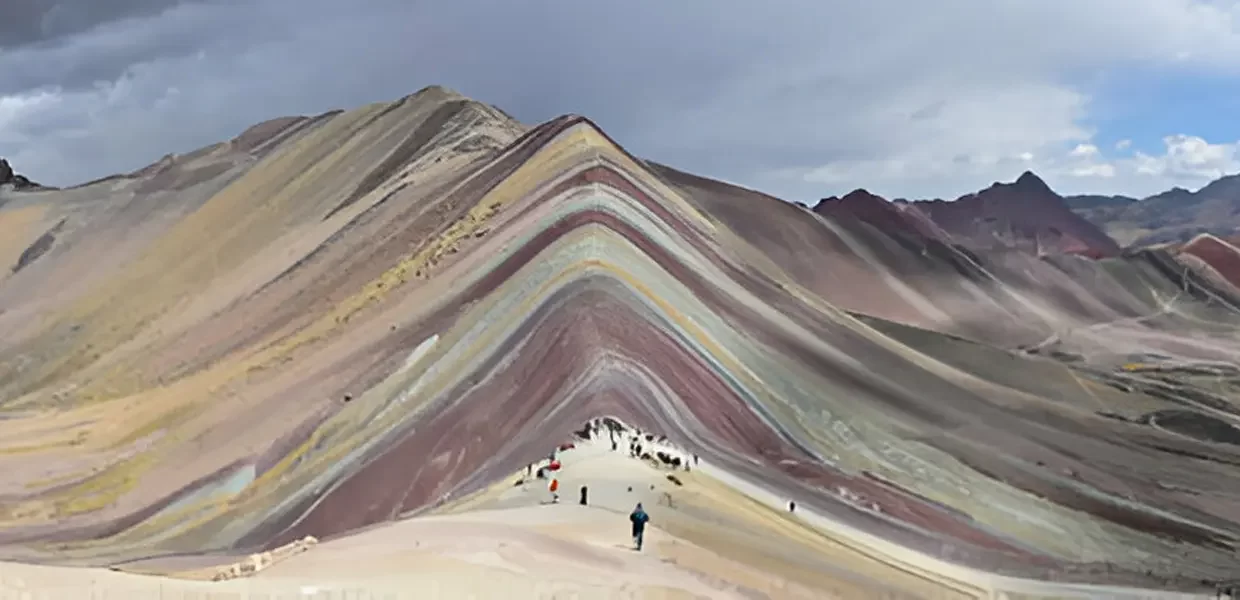
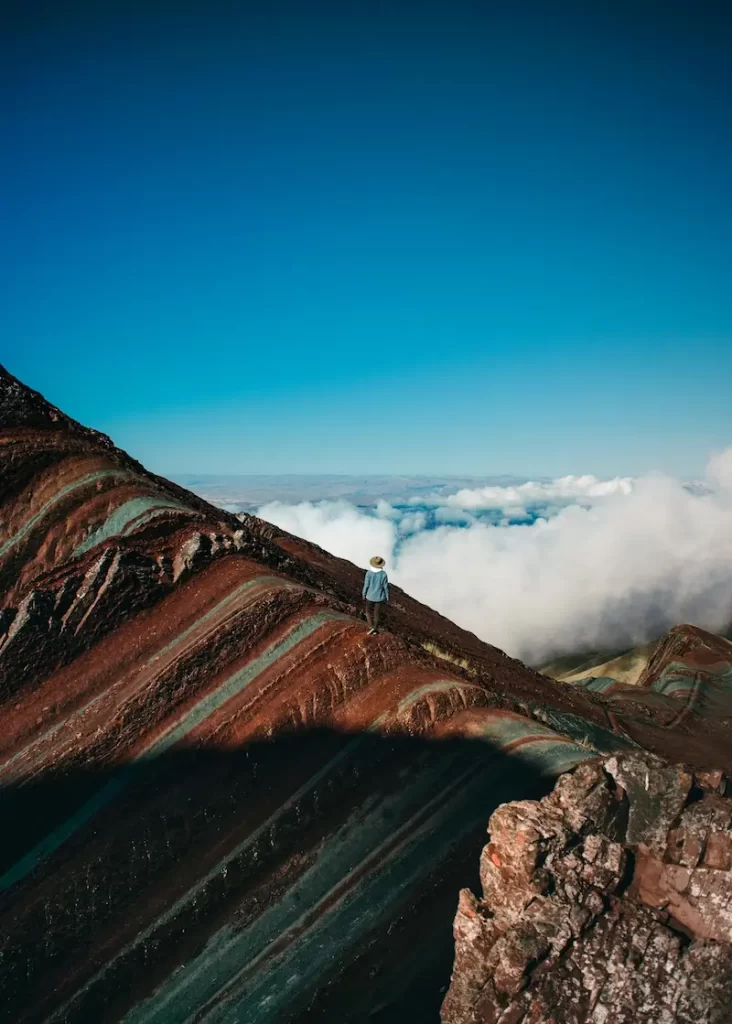
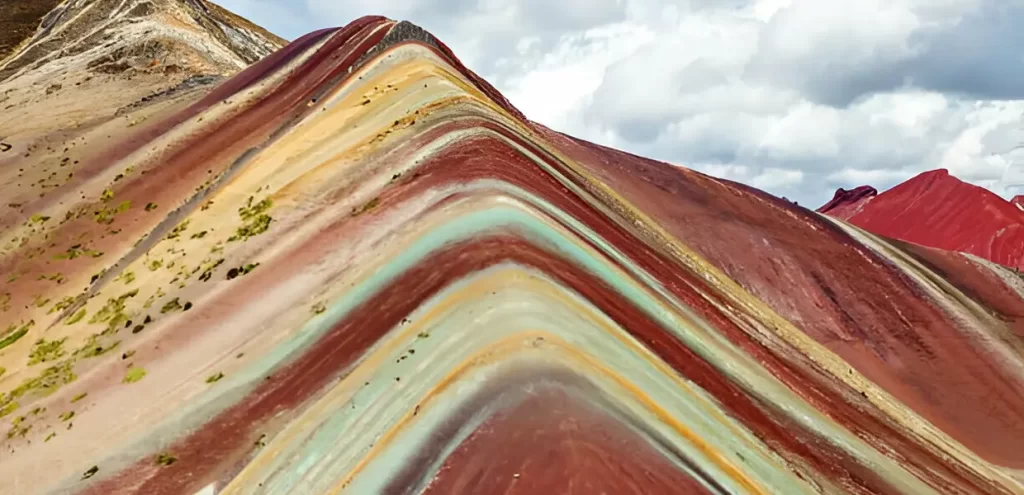
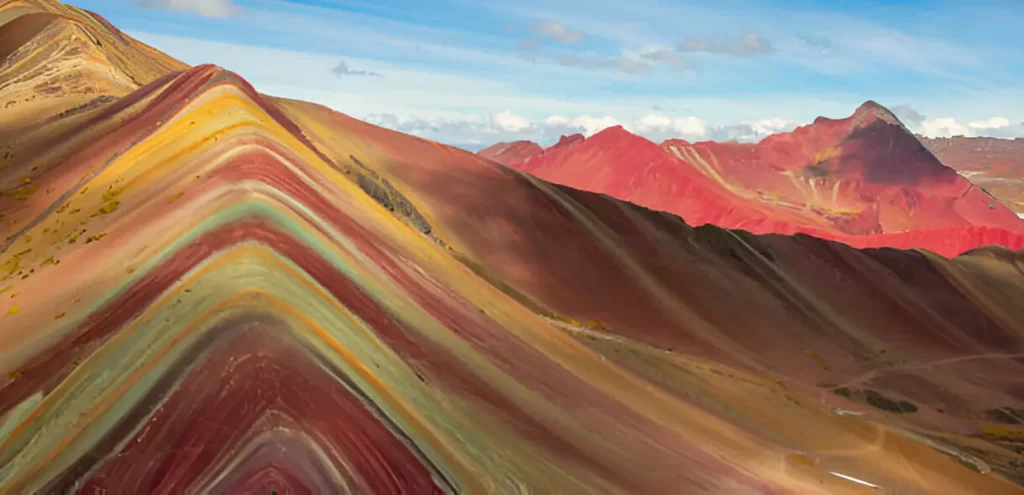
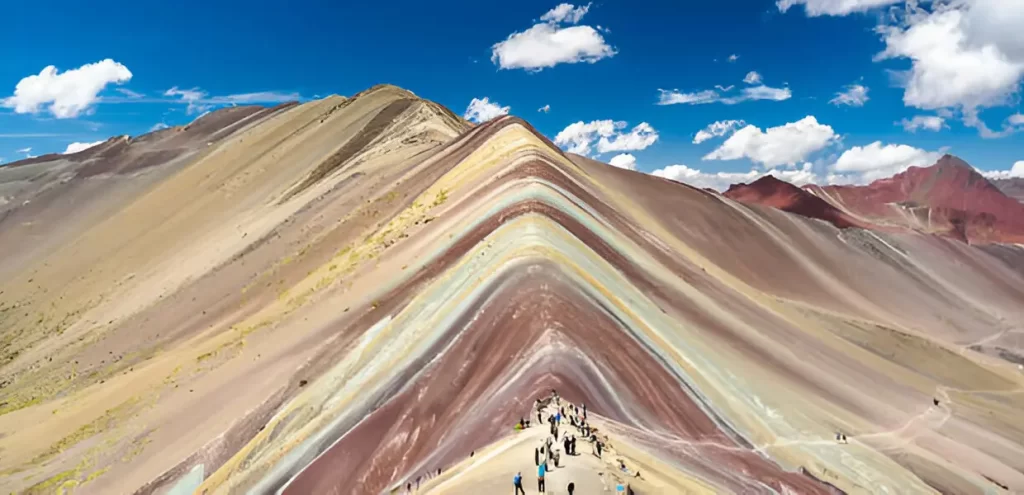
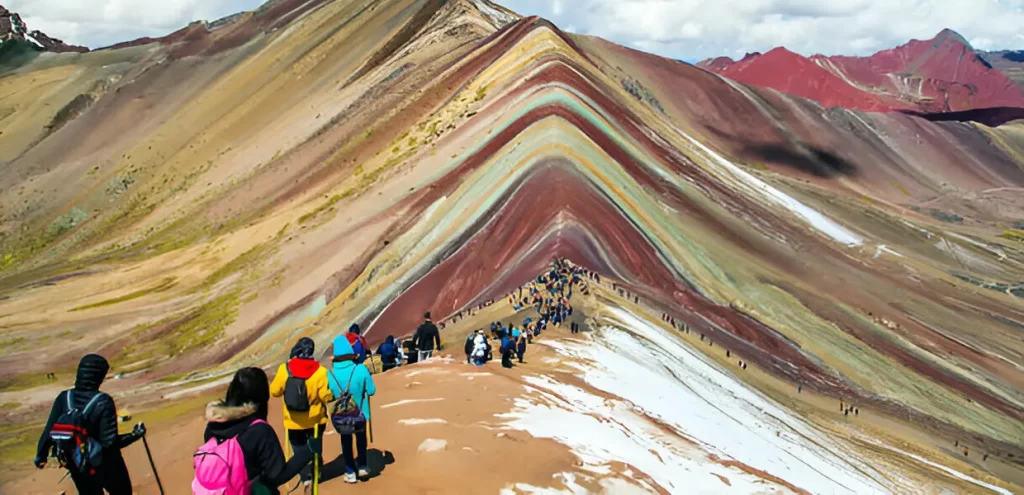
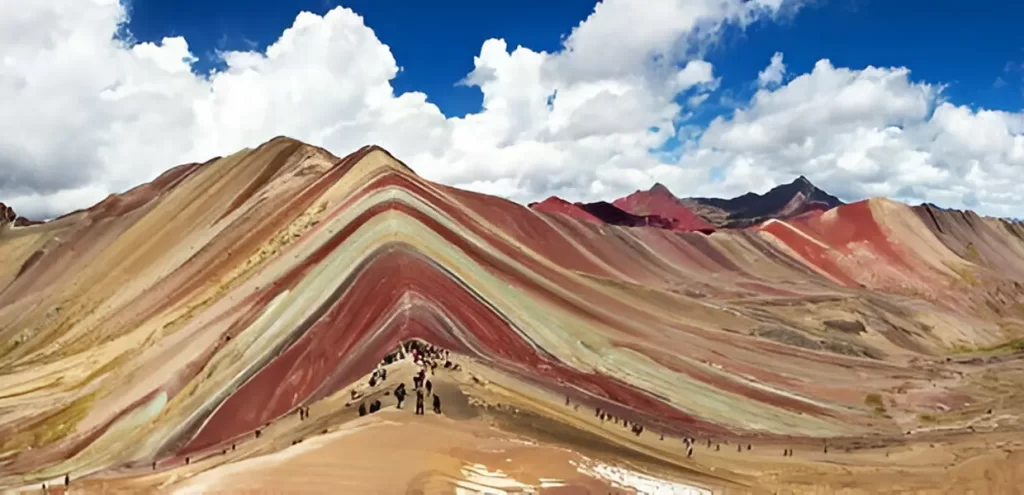
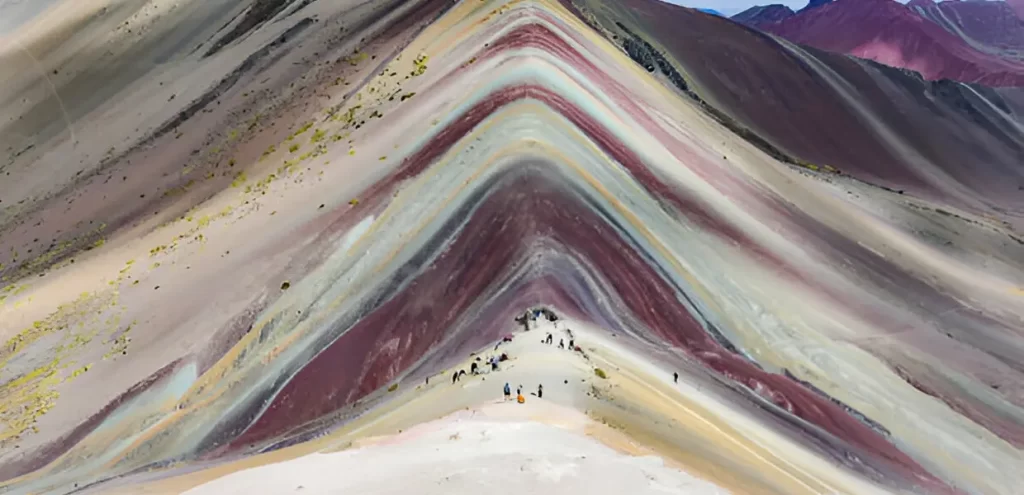
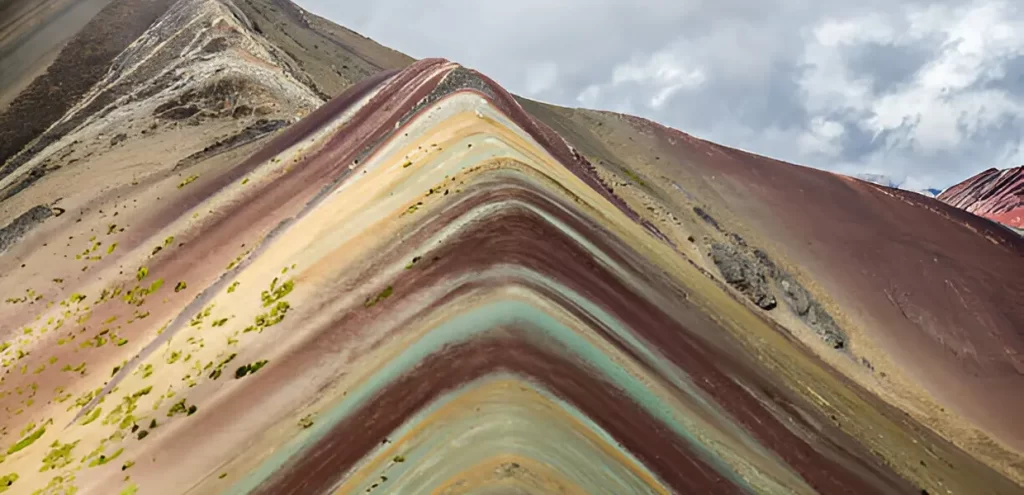
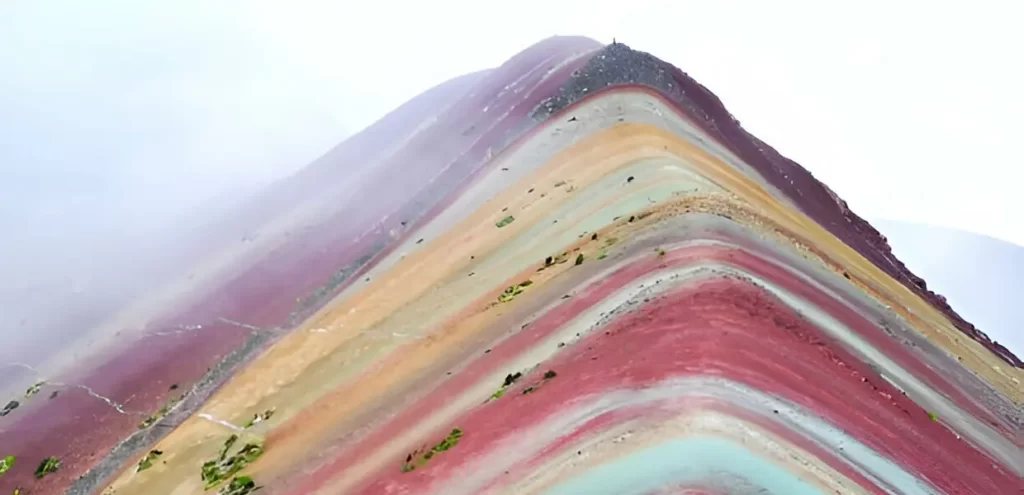
Rainbow Mountain, also known as Vinicunca or Montaña de Siete Colores, is a colorful geological formation located in the Andes of Peru, about 100 kilometers southeast of Cusco. Its stunning rainbow-like appearance is due to mineral layers in the soil, which create vivid stripes of red, yellow, green, and lavender.
Altitude at summit: 5,200 meters (17,060 feet)
Hiking distance (round trip): ~7 kilometers
Trek duration: 1 day
Region: Cusipata/Pitumarca, Cusco
Is March a Good Time to Visit Rainbow Mountain?
Yes, March is a good time for travelers who want to avoid large crowds and experience the mountain surrounded by lush green valleys and fresh Andean air. While some rainy days are expected, the second half of March brings better trail conditions and occasional clear skies—perfect for photography and a more personal trekking experience.
Pros of Visiting in March
Fewer tourists compared to dry season
Green landscapes and blooming vegetation
Cheaper tours and better availability
Unique photo opportunities with mist and clouds
Cons
Rain can make trails muddy and slippery
Possibility of cloud cover at the summit
Less predictable weather than peak season
Weather at Rainbow Mountain in March
March is the tail end of the rainy season in the Andes. Expect a mix of sunshine, light showers, and occasional downpours.
Average Climate Data:
Temperature: 5°C to 14°C (41°F to 57°F)
Rainfall: 70–100 mm over the month
Humidity: High, especially in early March
Best time to hike: Early morning (6:00 a.m.–10:00a.m.) to avoid afternoon showers
Later in the month, weather tends to improve, with more frequent clear patches and lower precipitation.
Trail Conditions in March
Due to recent rains, the trail may be wet and muddy, especially in shaded or narrow sections. However, most tour operators continue operating, and the trek remains safe with proper gear and caution.
What You’ll See:
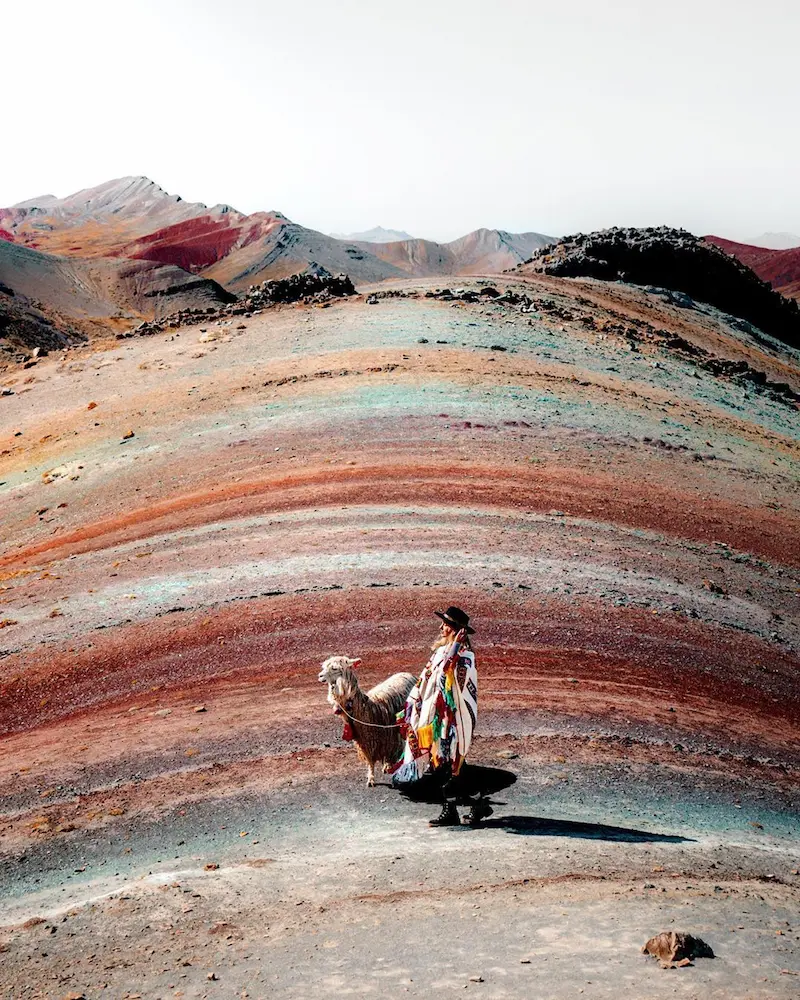
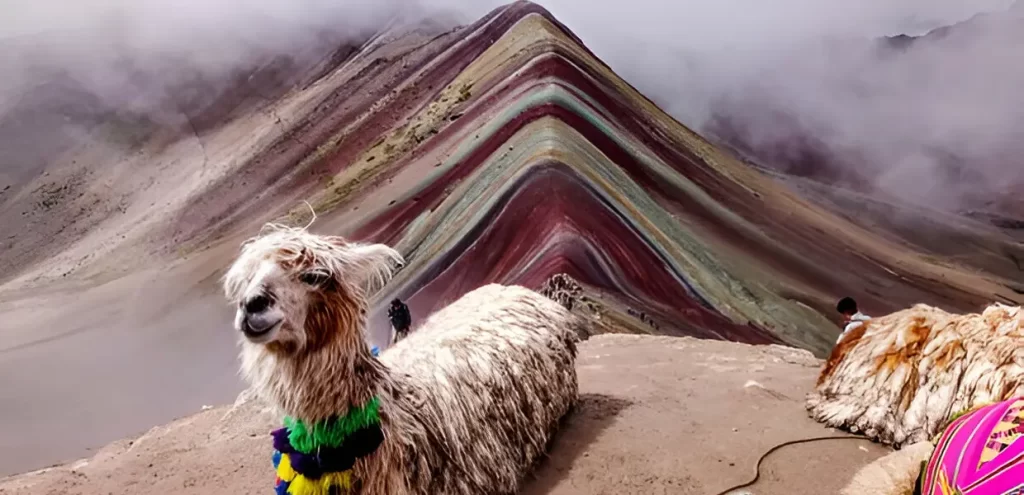
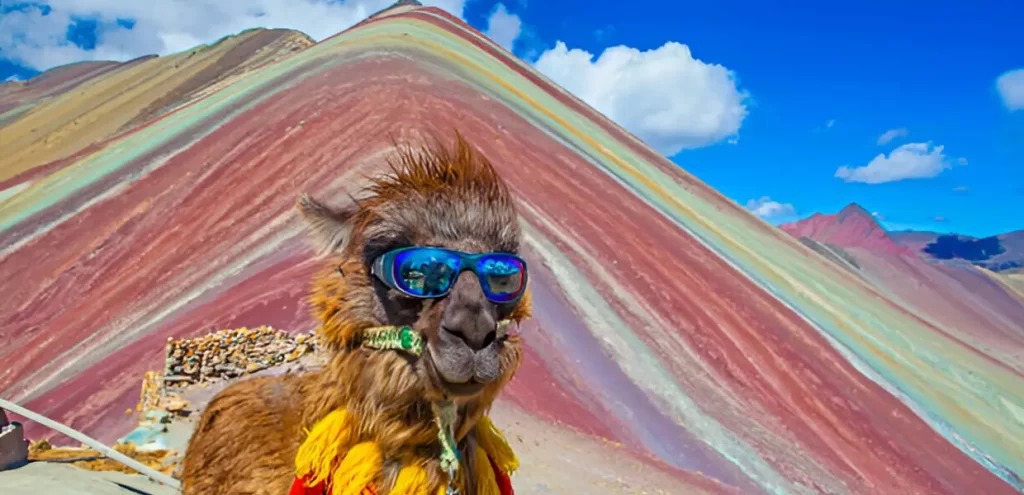
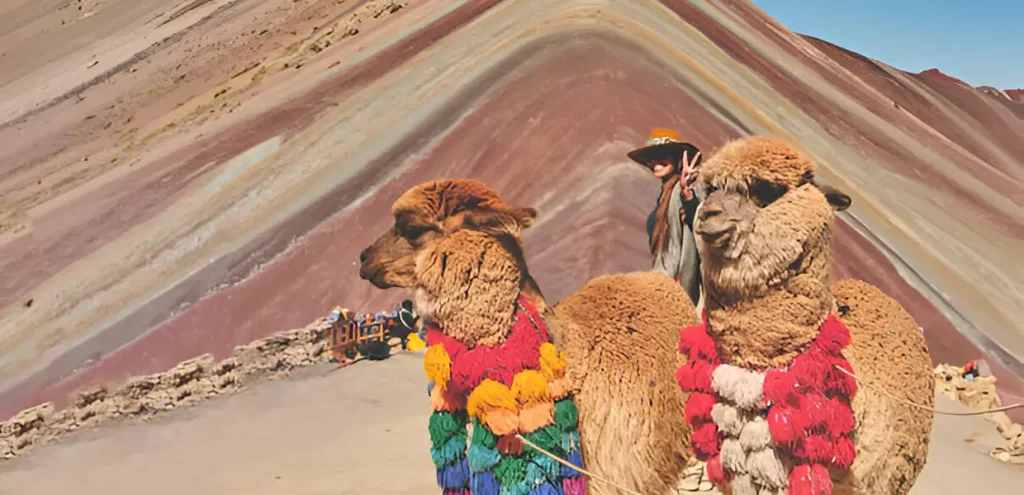
Vivid green valleys with grazing llamas and alpacas
Rainbow Mountain partially or fully visible depending on cloud cover
Occasional fog, adding a mystical touch to the experience
Water channels and seasonal waterfalls from recent rain
Tips for Hiking Rainbow Mountain in March
Choose the Right Tour Operator:
Pick an agency that:
Monitors weather conditions daily
Offers flexible cancellation or rescheduling policies
Includes emergency oxygen and experienced guides
Provides trekking poles and waterproof ponchos
Acclimate Before the Trek:
Spend at least 2–3 days in Cusco or the Sacred Valley before hiking. Rainbow Mountain sits above 5,000 meters, so altitude sickness is a real concern.
Pack Smart:
Waterproof hiking boots with good grip
Thermal layers and waterproof outerwear
Wool socks, gloves, and a beanie
High-SPF sunscreen (UV is strong at altitude)
Reusable water bottle and snacks
Trekking poles (essential for muddy sections)
Dry bag or backpack cover
Itinerary for a Typical March Tour
Pickup from Cusco hotel: 4:00–4:30 a.m.
Drive to trailhead (Cusipata or Chillihuani): ~3 hours
Breakfast stop: Local village, includes coca tea
Begin hike: Around 7:00–7:30 a.m.
Reach summit: Between 9:00 and 10:00 a.m.
Time at the top: 30–45 minutes (weather permitting)
Descent: Return to base between 11:00 a.m. and 12:00 p.m.
Lunch stop and return to Cusco: Arrive by 4:00 p.m.
Some tours include the Red Valley extension, which adds ~1 hour of hiking but is less crowded and equally scenic.
Rainbow Mountain and the Red Valley in March
The Red Valley is a nearby ridge with a surreal red hue caused by iron-rich soil. In March, the valley is particularly striking with red slopes contrasting lush green patches and white clouds.
Is It Safe to Visit in March?
Yes—with preparation, Rainbow Mountain in March is safe and enjoyable. Stick to marked paths, listen to your guide, and turn back if the weather turns severe.
Health Tips:
Don’t rush the hike—go at your own pace
Drink plenty of water and avoid alcohol the night before
If you feel dizzy or nauseous, descend immediately
Bring altitude sickness medication if needed
Photography Tips for March
March is a dream for landscape photographers due to dramatic skies, moody mist, and vibrant colors after rain.
Suggested gear:
DSLR or mirrorless camera with weather seal
Wide-angle lens (for sweeping valley shots)
Lens cloth (for moisture and mist)
Smartphone with dry case for quick shots
Capture early morning shots when light is soft, and look for llamas and reflections in puddles to add depth to your photos.
Local Communities and Cultural Insight
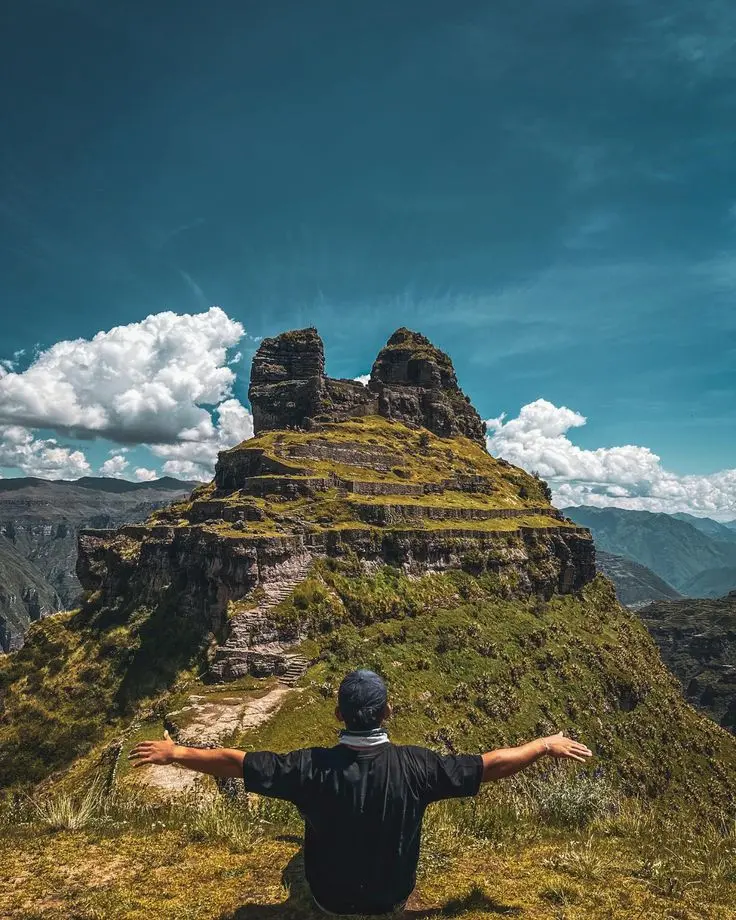
Many tours pass through traditional Andean villages. In March, farmers begin preparing land for the growing season. You might see:
Locals in traditional attire herding alpacas
Children walking to school
Women weaving or selling handmade textiles
Community-hosted breakfast or lunch stops
Engage respectfully, ask before taking photos, and consider supporting by purchasing local crafts.
Budget and Cost Breakdown
March is low-to-mid season, meaning lower prices than peak months (June–August).
Estimated Costs:
Group tour: $35–$60 USD per person
Private tour: $120–$200 USD
Optional horse rental: ~$25–$30 USD
Red Valley add-on: $10–$15 USD extra
Prices typically include transport, meals, entrance fee (~20 soles), guide, and emergency oxygen.
Frequently Asked Questions (FAQ)
Will I see the mountain clearly in March?
Visibility depends on weather, but many travelers get clear views, especially later in the month. Early morning hikes increase your chances.
Can I hike Rainbow Mountain on my own?
It’s possible but not recommended in March due to trail conditions and weather unpredictability. A guided tour adds safety and logistics.
Are horses available in March?
Yes, horses are available year-round. They’re a great option if you’re tired or affected by altitude. Always bring cash to pay the horse handler directly.
Is Rainbow Mountain open every day?
Yes, it’s open 7 days a week, weather permitting. Rarely, trails may close due to extreme rain or landslides, but these closures are typically short.
Should You Visit Rainbow Mountain in March?
If you’re seeking a less crowded, more adventurous experience of Rainbow Mountain, March is an excellent choice. The weather may not be perfect every day, but with proper preparation, you can enjoy a trek filled with stunning natural contrasts, local culture, and peaceful scenery.
Whether you’re a photographer, nature lover, or intrepid traveler, hiking Rainbow Mountain in March offers a powerful and authentic glimpse of the Peruvian Andes—at a time when the land is alive, the trails are quieter, and every step feels personal.
Full Day Tours