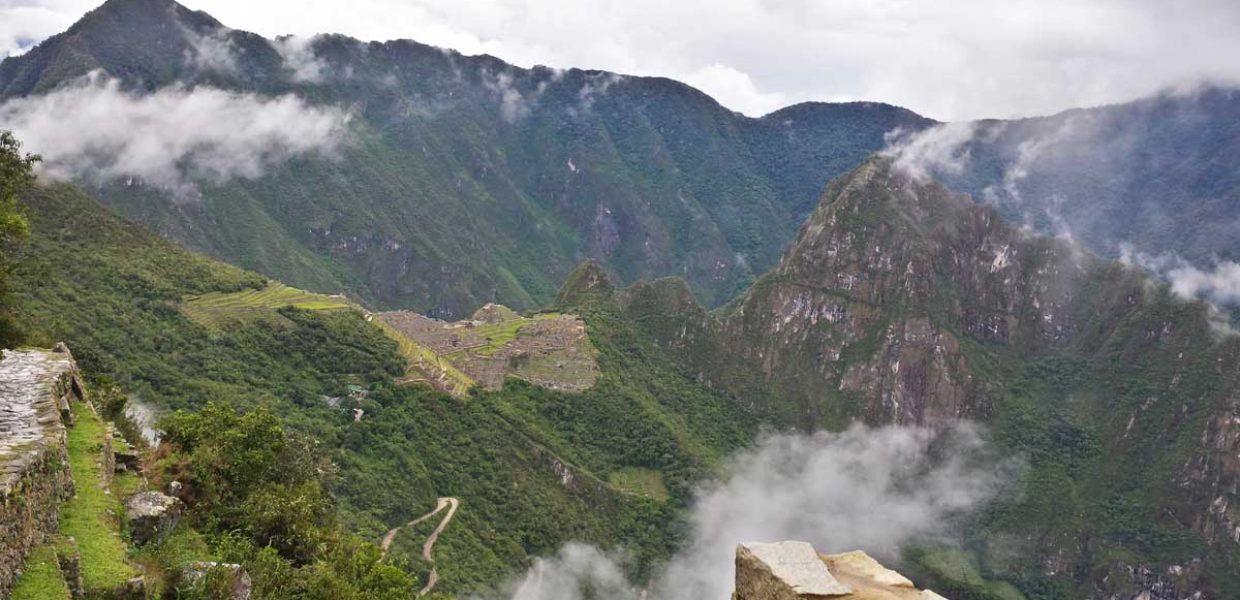
The Sun Gate, or “Inti Punku” in Quechua, is an incredible Inca archaeological site located near Machu Picchu. Serving as the main entrance for those hiking the famous Inca Trail, the Sun Gate holds significant cultural and spiritual value. From its vantage point, visitors enjoy an unforgettable panoramic view of Machu Picchu and the surrounding Andean landscape. Whether you’re an avid trekker or just visiting, exploring the Sun Gate is an essential part of the Machu Picchu experience.
The Role of the Sun Gate in Inca Culture
The construction of the Sun Gate is dedicated to the Sun, or Inti, the Inca’s revered deity. This structure served both practical and ceremonial purposes for the ancient Incas. Strategically located at 2,745 meters (9,005 feet) above sea level, it was an entry point and a spiritual gateway, aligning perfectly with the sunrise, especially during the summer solstice. This alignment is a testament to the Incas’ architectural expertise and their deep respect for celestial events.
Hiking to the Sun Gate: A Rewarding Journey
Most people reach the Sun Gate as part of the Inca Trail hike to Machu Picchu. Starting from Aguas Calientes, hikers make their way up to Machu Picchu and then to the Sun Gate, following wooden signs that mark the path. The hike from Machu Picchu to the Sun Gate typically takes 30 to 45 minutes and is relatively moderate in difficulty.
Hiking this route allows you to pass through agricultural terraces and experience breathtaking landscapes. As you ascend, the entire Machu Picchu valley unfolds, and reaching the Sun Gate itself brings a sense of achievement. Be sure to bring comfortable hiking boots, water, and a camera to capture the unforgettable views.
Visiting the Sun Gate During the Summer Solstice
One of the most magical times to visit the Sun Gate is during the summer solstice, which usually falls around December 21. On this day, the sunrise aligns directly with the gate, casting light onto Machu Picchu in a spectacular display. Many visitors and locals consider this day sacred, making it a popular time for spiritual ceremonies and photography. If you’re planning a visit during this period, keep in mind that demand for entrance tickets can be high, so it’s wise to book early.
What to Expect When Visiting the Sun Gate
Panoramic Views of Machu Picchu
Upon arrival, the Sun Gate offers one of the best panoramic views of Machu Picchu and its surrounding mountains, including Huayna Picchu. Watching the sun rise or set from this vantage point is breathtaking. Early morning visitors can see the mist lifting off the valley, revealing the Inca citadel in all its glory.
Part of the Inca Trail Experience
The Sun Gate is often considered the “final reward” for those trekking the 4-day Inca Trail. As hikers pass through the Sun Gate, they are met with their first glimpse of Machu Picchu, making it an emotional and memorable moment for many. While it is part of the Inca Trail experience, those not hiking the full trail can still visit the Sun Gate by taking a shorter hike from the main Machu Picchu complex.
Wooden Signs and Directions
Along the route to the Sun Gate, visitors will find wooden signs with directions, making it relatively easy to follow the path. The trail is well-marked and maintained, ensuring that trekkers don’t get lost as they make their way up. These signs provide helpful reminders of distances and key landmarks, keeping you on track as you make your ascent.
Practical Information for Your Visit
Entrance Ticket Requirements
To visit the Sun Gate, you’ll need an entrance ticket to Machu Picchu. However, there’s no additional fee to access the Sun Gate specifically, making it an affordable yet rewarding addition to your Machu Picchu visit. Be sure to buy tickets in advance, as entrance to Machu Picchu is regulated and can sell out during peak travel seasons.
Best Times to Visit the Sun Gate
While the summer solstice is a special occasion, the Sun Gate is accessible year-round. During the dry season (May to September), you’re more likely to enjoy clear skies and optimal visibility. Conversely, the rainy season (November to March) can bring heavy clouds and slick trails, though the cloud cover can lend a mystical atmosphere to the landscape.
Visiting in the early morning hours is recommended for a quieter experience, as it tends to get busier later in the day. Plus, sunrise views from the Sun Gate are simply magical, offering a peaceful start to your adventure.
Choosing Between Huayna Picchu or Machu Picchu Mountain
For those seeking a more extensive adventure, the nearby peaks of Huayna Picchu and Machu Picchu Mountain provide additional hiking opportunities. Both offer unique perspectives of the Machu Picchu area, but Huayna Picchu is known for its challenging, steep climb, while Machu Picchu Mountain has a longer, more gradual ascent. If you’re interested in one of these hikes, you’ll need a separate ticket, so plan ahead accordingly.
Preparing for Your Hike to the Sun Gate
Hiking to the Sun Gate is an achievable goal for most visitors, but preparation is key. Here are a few tips to ensure a comfortable and enjoyable journey:
- Wear comfortable hiking boots: The trail is moderately steep in some areas, so sturdy shoes are essential.
- Bring water and snacks: Staying hydrated and energized is important, especially at higher altitudes.
- Check the weather forecast: While the dry season offers the best conditions, it’s always a good idea to be prepared for changing weather.
- Don’t forget your camera: The views from the Sun Gate are unforgettable, so capture the moment!
Beyond the Sun Gate: Other Sites to Explore
In addition to the Sun Gate, the Machu Picchu complex offers a wealth of historical and architectural wonders. The agricultural terraces, used by the Incas for farming, showcase advanced engineering skills. The Temple of the Sun and other religious sites give insight into the spiritual practices of the Incas, while the Intihuatana Stone is thought to have been a powerful solar observatory.
Conclusion
Visiting the Sun Gate is a must for anyone traveling to Machu Picchu. This site not only offers incredible views of the Inca citadel and surrounding mountains but also allows you to experience the sacred, historical significance of the area. Whether you’re following the path of the ancient Incas on the Inca Trail or simply making the short hike from Machu Picchu, the Sun Gate provides a memorable, enriching experience.