

Altitude Sickness in Cusco
Understanding Altitude Sickness in Cusco
Altitude sickness, also known as acute mountain sickness (AMS), is a condition that affects many travelers visiting high-altitude destinations like Cusco, Peru. Located at 3,399 meters (11,152 feet) above sea level, Cusco presents an immediate challenge for those who are not acclimated to such elevations.
Importantly, altitude sickness can affect anyone, regardless of age, fitness level, or travel experience. Without a doubt, understanding its symptoms, prevention, and treatment is essential for a safe and enjoyable journey.
What Causes Altitude Sickness in Cusco?
When individuals ascend to high altitudes too quickly, their bodies struggle to adjust to the lower levels of oxygen. As a result, symptoms such as headaches, nausea, dizziness, fatigue, and shortness of breath may occur. In addition to these, some may experience sleep disturbances and loss of appetite.
Unlike illnesses caused by viruses or bacteria, altitude sickness is entirely dependent on atmospheric pressure and oxygen availability. Conversely, it is not contagious and cannot be spread from person to person.
Why Cusco Triggers Symptoms
Due to its location in the Andes Mountains, Cusco stands well above the altitude at which symptoms often begin to appear—typically above 2,500 meters (8,200 feet). Moreover, many travelers fly directly from sea level to Cusco, skipping any gradual elevation gain. This rapid transition increases the likelihood of developing AMS.
Along with the physical elevation, other factors such as dehydration, overexertion, and alcohol consumption can exacerbate symptoms. It should be noted that the body needs time to adapt to changes in oxygen levels.
Who Is at Risk?
Not only older adults but also young, healthy individuals can suffer from altitude sickness. Contrary to popular belief, fitness does not guarantee immunity. Additionally, those with pre-existing heart or lung conditions should consult a doctor before traveling to Cusco.
Furthermore, individuals who have experienced altitude sickness in the past may be more susceptible on future trips. Especially if arriving from low-lying areas, careful planning becomes crucial.
Common Symptoms to Watch For
Typically, symptoms begin within 6 to 24 hours after arrival at high elevation. They include:
Headache
Nausea or vomiting
Dizziness or lightheadedness
Tiredness or weakness
Shortness of breath
Difficulty sleeping
In more severe cases, High Altitude Pulmonary Edema (HAPE) or High Altitude Cerebral Edema (HACE) may develop. These are life-threatening conditions and require immediate medical attention.
Additionally, it is wise to monitor symptoms closely and seek help if they worsen instead of improving within 24–48 hours.
How to Prevent Altitude Sickness in Cusco?
First and foremost, acclimatization is the key. Spending a few days at intermediate altitudes like the Sacred Valley (approximately 2,792 meters or 9,160 feet) before heading to Cusco can help significantly.
Besides acclimatization, these additional strategies may help:
Stay hydrated by drinking at least 2–3 liters of water daily.
Avoid alcohol and caffeine during the first 48 hours.
Rest upon arrival and avoid heavy physical activity.
Eat light, easily digestible meals.
Moreover, medications like acetazolamide (commonly known as Diamox) can be prescribed to reduce the risk of symptoms. Always consult a healthcare provider before using any medication.
Traditional Remedies in Peru
In addition to modern medicine, Peruvians have long used coca leaves to combat altitude sickness. Tourists often find coca tea (“mate de coca”) available in hotels, restaurants, and airports.
Not only is coca tea widely consumed in Cusco, but chewing coca leaves is also a popular practice. Apart from being natural, these remedies help stimulate oxygen flow and improve circulation.
Although coca is illegal in many countries, consuming it in Peru is safe and legal. However, it’s advisable not to take any coca products back home, especially to the United States.
When to Seek Medical Help?
Despite taking preventive measures, some travelers may still experience severe symptoms. If a headache persists despite rest and hydration, or if nausea prevents eating or drinking, it’s time to visit a clinic.
In contrast to mild symptoms, which often fade with time, signs like confusion, difficulty breathing at rest, or chest tightness may indicate HAPE or HACE. In such cases, descending to a lower altitude and receiving oxygen therapy can be life-saving.
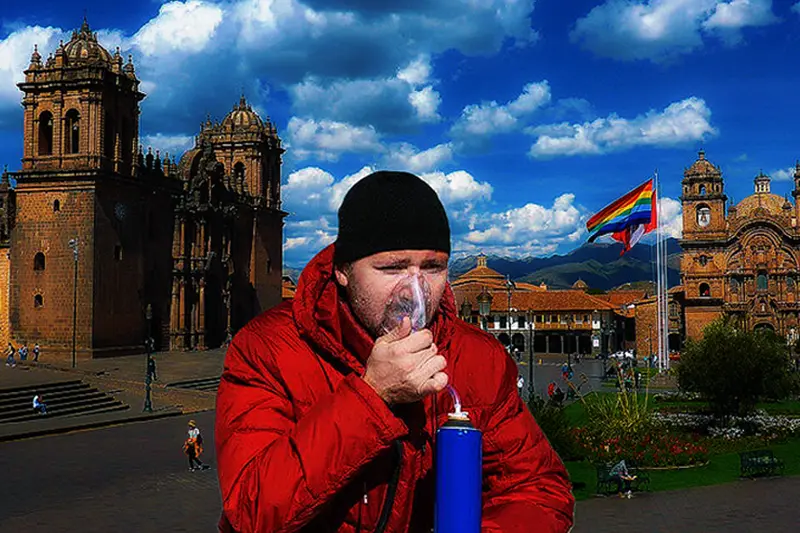
Fortunately, Cusco offers clinics and pharmacies that are well-versed in treating altitude-related issues. Some hotels also provide oxygen tanks and offer immediate assistance.
Staying Active While Adjusting
Although it’s tempting to jump straight into sightseeing, especially with wonders like Machu Picchu nearby, pacing yourself is essential. Alternatively, start with light walking tours or visit museums close to your hotel.
Subsequently, after a day or two of rest and light activity, travelers usually feel ready for more adventurous excursions. Clearly, listening to your body is key to a successful trip.
Moreover, tour operators in Cusco often build extra acclimatization days into their itineraries to ensure visitor safety and enjoyment.
How Long Does Altitude Sickness Last?
Typically, symptoms fade within 24 to 72 hours as the body acclimates. In addition to hydration and rest, light activity can help stimulate adaptation.
However, some people may require longer recovery times or additional medical support. Conversely, pushing through symptoms without rest may worsen the condition.
If symptoms persist for more than three days or worsen over time, medical evaluation is necessary.
Medications and Natural Supplements
Travelers frequently ask about preventive medications. Acetazolamide remains the most common prescription drug for altitude sickness prevention and treatment. In addition, ibuprofen or paracetamol can help relieve headaches and body aches.
Apart from pharmaceuticals, natural supplements like ginkgo biloba and chlorophyll tablets have shown anecdotal benefits, though scientific evidence remains limited.
Before using any supplement, check for interactions with current medications or health conditions. Importantly, always follow medical advice over internet recommendations.
Tips for a Comfortable Arrival in Cusco
First, try to arrive early in the day to rest and settle in. Secondly, choose accommodations that offer oxygen or have easy access to medical services.
Thirdly, pack appropriate clothing, as cold weather can worsen symptoms. Lastly, take your time — let your body adjust at its own pace.
Above all, remember that preventing altitude sickness starts before you even board the plane.
What to Do if You Feel Sick?
At this time, stop any strenuous activity and lie down. Drink water slowly and breathe deeply. If available, use an oxygen canister or request help from your accommodation staff.
Even so, if symptoms don’t subside after a few hours, it’s best to consult a local doctor. Some hotels in Cusco even partner with clinics to offer in-room consultations.
Additionally, always inform travel companions about how you’re feeling so they can assist if your condition worsens.


