If you’re planning your dream trip to South America, figuring out the best time to visit Peru is a crucial first step. Peru is a diverse country with breathtaking geography—from the high peaks of the Andes to the depths of the Amazon Rainforest—and each region has its own ideal travel window.
Because Peru is located in the Southern Hemisphere, the seasons are opposite to those in the United States and Europe. This means that summer in Peru runs from December to March and winter from June to August. But due to the country’s varied geography, weather and travel conditions depend heavily on time of year, altitude, and region.
This guide breaks down the season in Peru by region, climate patterns, activities, and what each month to visit offers—so you can choose the best time to travel based on your interests.
Understanding the Seasons in Peru
Peru experiences three main climate zones, each with its own dry season and wet season:
The Andes Mountains (Cusco, Sacred Valley, Machu Picchu, Lake Titicaca)
The Amazon Basin (Iquitos, Manu, Tambopata)
The Coastal Desert (Lima, Paracas, Nazca)
Rather than the typical four-season cycle, Peru’s weather is best understood through its dry and rainy seasons.
Dry Season in Peru (May to September)
The dry season is generally considered the best time to visit Peru, especially for trekking and sightseeing. It falls during the Southern Hemisphere’s winter months, but in many regions, the weather is sunny, dry, and ideal for travel.
Key Features:
Clear skies and sunny days across the Andes
Excellent trail conditions for the time to hike
Cooler nights, especially at higher altitudes
Peak season for visiting Machu Picchu, Lake Titicaca, and the Sacred Valley
Best for:
Hiking the Inca Trail
Exploring the Andes
Photographing landscapes without rain
However, since this is also the most popular time to visit, expect larger crowds at major attractions and higher prices. Book flights, accommodations, and permits well in advance.
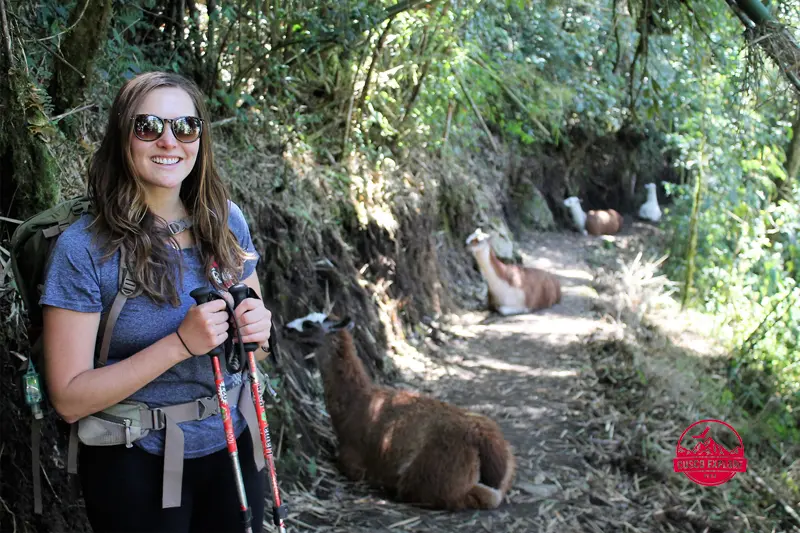
Rainy Season in Peru (November to March)
The rainy season typically affects the Andes and the Amazon, with daily showers that may range from light to heavy. This period also overlaps with Peru’s summer months.
Key Features:
Frequent rainfall, especially from December to March
Greener landscapes and blooming flora
Fewer tourists and more affordable rates
Best for:
Visiting coastal areas like Lima (sunny and dry)
Exploring the Amazon (rivers are full, boat travel is easier)
Travelers who prefer fewer crowds
The wet season is less ideal for trekking, as some trails can become muddy or impassable. In fact, the Inca Trail closes every February for maintenance. However, you can still visit Machu Picchu, since the site remains open year-round.
Best Time to Visit Peru by Region
Because the season in Peru varies drastically by region, let’s break down the best time to visit based on where you’re going.
1. Machu Picchu and the Sacred Valley
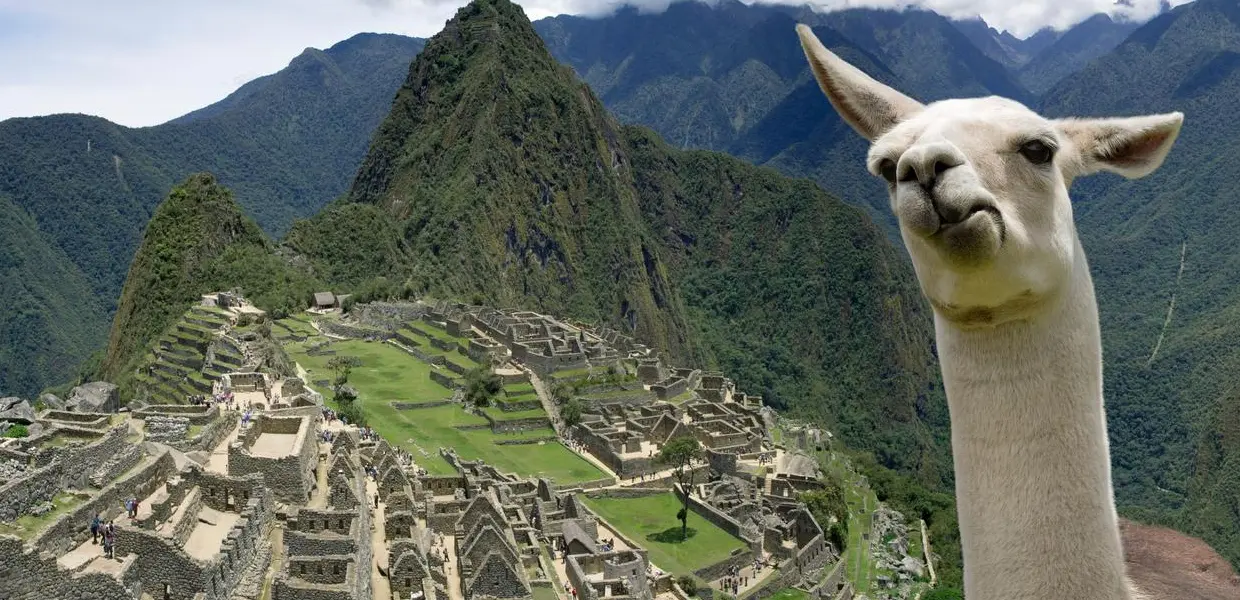
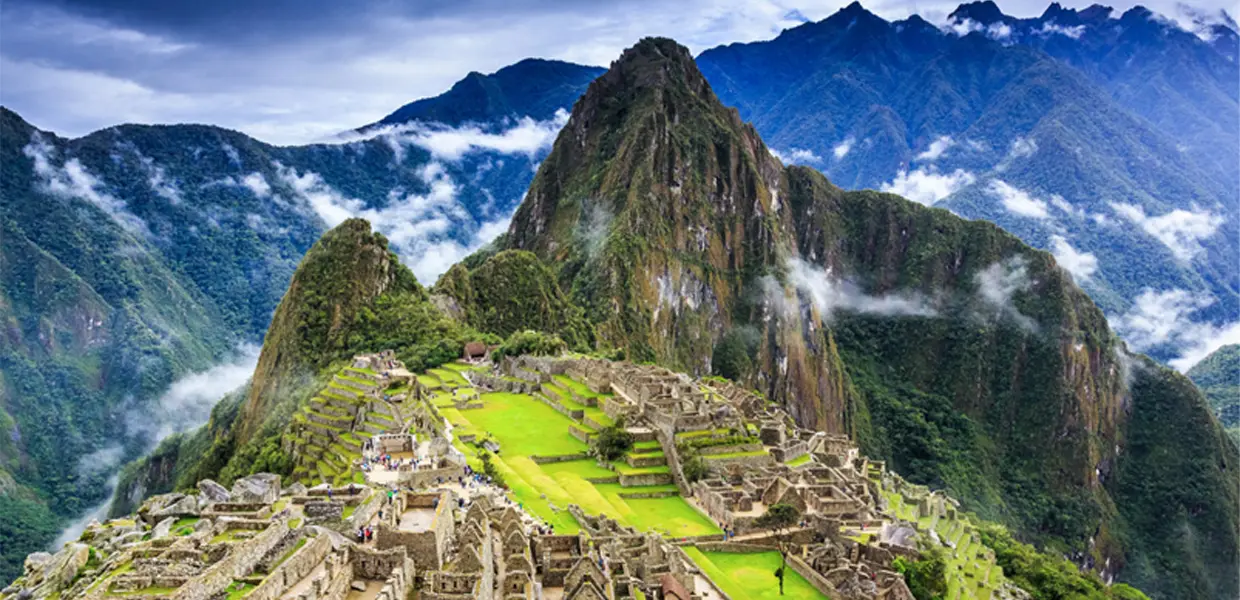
The region around Cusco, the Sacred Valley, and Machu Picchu is one of the most popular tourist destinations in Peru. The dry season from May to September is widely considered the best time to go.
Why?
You’ll enjoy clear views of the Inca ruins.
Trails like the Inca Trail and Salkantay Trek are in perfect condition.
Sunny days are common, and rain is rare.
Still, this period can be crowded. If you want fewer tourists but still good weather, the shoulder seasons—April and October—offer a nice balance of conditions and accessibility.
During the rainy season, particularly December to April, the views of Machu Picchu may be obscured by clouds, but the site itself is lush and beautiful. Just be sure to bring a rain poncho and good footwear.
2. Lake Titicaca
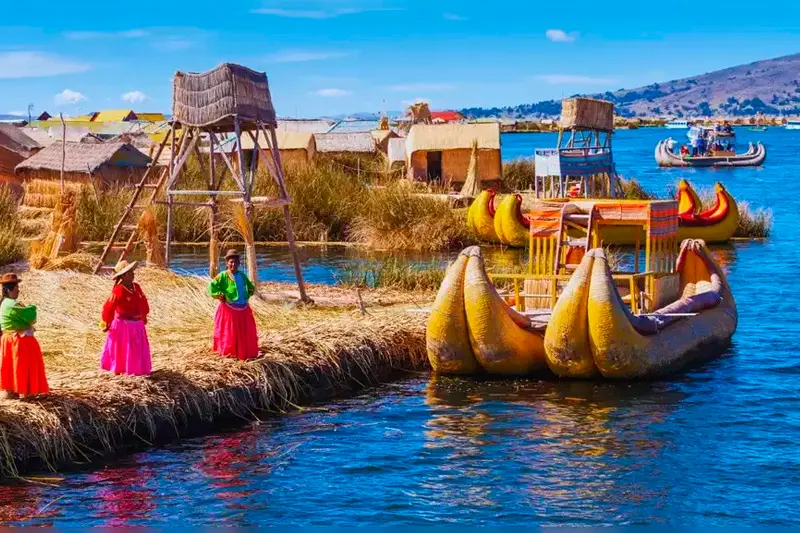
Sitting at over 3,800 meters above sea level, Lake Titicaca is the world’s highest navigable lake and a year-round destination.
The dry season (May to September) offers the best water clarity and boat access.
During the wet season, the lake is still accessible, but weather may limit island visits.
Because of the altitude, nights can be cold even in summer, so pack accordingly regardless of the time of year.
3. The Amazon Rainforest
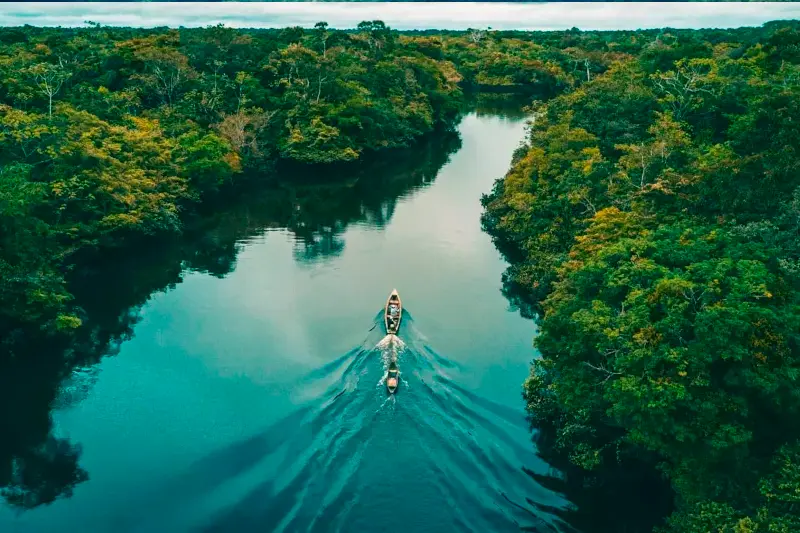
If you’re heading into the Amazon Rainforest—whether in Iquitos, Puerto Maldonado, or Manu—the best time to go is during the dry season (June to September).
Trails are less muddy.
There are fewer mosquitoes.
Wildlife is easier to spot near shrinking water sources.
However, the wet season (especially December to March) has its own appeal. Water levels rise, allowing for easier boat travel through forest channels. It’s also the time when the jungle is most alive with sound, color, and biodiversity.
Bring repellent and plenty of water no matter the season!
4. Lima and the Coast
The coast of Peru has a completely different weather pattern due to the cold Humboldt Current.
Summer (December to April): Hot, sunny, and dry—perfect for beach days.
Winter (May to November): Overcast skies, cooler temperatures, and mist.
If you’re heading to Lima, Paracas, or the beaches in the north (like Máncora), the best time to visit Peru’s coast is during its summer months—December through March.

Best Times for Activities in Peru
Here’s when to go depending on what you want to do:
Hiking & Trekking
April and October are great for less traffic
Sightseeing & Photography
Dry months offer clear skies and best lighting
Shoulder seasons give green landscapes with manageable weather
Amazon Cruises
December to April: High water for deep jungle exploration
June to September: Easier forest hikes, more visible wildlife
Beach Time
December to March is ideal for sunbathing and water sports
Month-by-Month Breakdown
| Month | Conditions | Notes |
|---|---|---|
| January | Rainy in Andes & Amazon | Good for coast; green landscapes |
| February | Heaviest rains | Inca Trail closed |
| March | Rain continues | Transition month; fewer crowds |
| April | Rain tapers off | Start of dry season |
| May | Clear skies, dry trails | Peak trekking begins |
| June | High tourist season starts | Inti Raymi festival in Cusco |
| July | Peak time to visit | Book in advance |
| August | Continued dry weather | Great for hiking and festivals |
| September | End of dry season | Still ideal for treks |
| October | Light rains return | Good shoulder season travel |
| November | Rain increases | Off-peak pricing |
| December | Wet season begins | Warmest coastal weather |
When Is the Worst Time to Visit Peru?
There’s really no bad time to visit Peru, but if we had to choose:
Late January to early March is challenging for hikers and mountain travelers due to heavy rains.
February in particular has limited trail access.
Some regions may experience road closures or delays during the peak wet season.
Still, if you’re focusing on Lima or the coast, these months are actually perfect.
Tips for Planning Around the Weather
Always check regional forecasts before your trip.
Pack for all climates if you’re visiting multiple regions (Andes, Amazon, Coast).
Buy your permits and tickets—especially for Machu Picchu—at least 3-6 months in advance if traveling in the dry season.
Embrace the season. Even the rainy months offer lush beauty and fewer crowds.