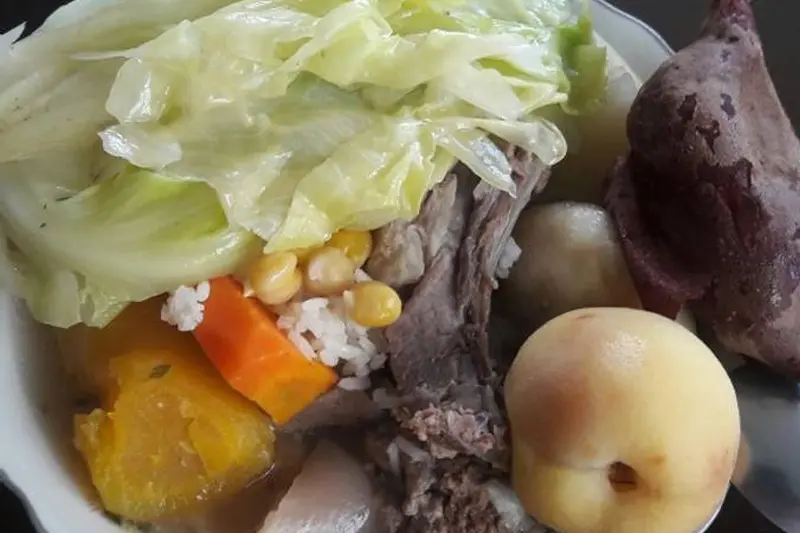
In the city of Cusco, high in the Peruvian Andes, culinary traditions thrive alongside vibrant festivals. One of the most iconic dishes during the Cusco Carnival is the beloved Timpu, also known as Puchero. This hearty and flavorful stew is much more than a typical Peruvian meal—it represents a deep connection between food, community, and culture.
What Is Timpu or Puchero?
Essentially, Timpu (or Puchero) is a traditional Andean stew prepared especially during the Carnival season. Rich in flavor and symbolism, the dish typically includes pecho de vaca (beef brisket), carnes y verduras (meats and vegetables), garbanzos y arroz (chickpeas and rice), and a variety of tubers native to the region.
Moreover, it is customary to serve the dish with a piece of cabbage perched on top, symbolizing abundance. The unique combination of ingredients, textures, and seasonings makes it a must-try for anyone visiting Peru in February.
Why Is Timpu Important During the Cusco Carnival?
Unlike other meals enjoyed throughout the year, Timpu holds a special place in Cusqueño hearts during the Carnival of Cusco. Traditionally served on Carnival Sunday, this dish brings families together in a celebration of life, gratitude, and the changing seasons.
Furthermore, the stew reflects agricultural abundance, as it uses fresh produce harvested from the fertile valleys surrounding Cusco. Its preparation requires patience, collaboration, and a touch of ancestral wisdom.
How Is Timpu Prepared? Step-by-Step
Preparing Puchero is a ritual in itself. It begins early in the morning and involves several stages. Below is a traditional method used by many Cusqueño families:
Ingredients:
1.5 kg of pecho de vaca (beef brisket)
1 kg of lamb shanks
1 whole chicken (cut into pieces)
3 large carrots (peeled and halved)
2 turnips
2 ears of corn (cut into halves)
6 medium white potatoes
4 sweet potatoes
1 whole cabbage (cut into large wedges)
1 cup of garbanzos (soaked overnight)
1 cup of white arroz (rice)
Salt to taste
Fresh mint or huacatay (optional, for garnish)
Step 1: Preparing the Broth
First, place the pecho de vaca, lamb, and chicken into a large stockpot filled with water. Add a tablespoon of salt. Bring to a boil, then reduce to a simmer and cook for approximately 1.5 to 2 hours. This slow simmer allows the meats to become tender and infuses the broth with rich, savory flavors.
Step 2: Adding the Legumes
After the broth has simmered for an hour, add the soaked garbanzos. These should cook slowly alongside the meat, absorbing the flavors and contributing to the stew’s hearty texture.
Step 3: Cooking the Vegetables
Following the garbanzos, add the carrots, turnips, and corn to the pot. Let them cook for about 30 minutes. Then, include the potatoes and sweet potatoes, and simmer for an additional 20 minutes. Finally, add the cabbage wedges, placing them on top so they steam gently and do not break apart.
Step 4: Preparing the Side of Rice
While the stew finishes, cook the arroz separately in lightly salted water. Some households prepare it with garlic or onion for added flavor. The rice is served on the side or sometimes mixed directly into the broth before serving.
Step 5: Serving the Timpu
Once everything is cooked through, arrange the dish on a large plate. Start with the rice and chickpeas, followed by the meat and vegetables. The cabbage sits at the top. Pour a ladle of hot broth into a bowl and serve alongside the plate.
Additionally, sprinkle with fresh herbs like mint or huacatay for a final aromatic touch. The result is a feast that delights the senses and warms the soul.
What Makes Timpu Unique Among Peruvian Dishes?
Clearly, Timpu stands out among typical Peruvian cuisine for its complexity and cultural depth. While other dishes may be known for their spice or speed of preparation, Timpu is slow-cooked and layered with meaning.
In contrast to lighter everyday meals, this stew is served in generous portions and enjoyed in a communal setting. It is, without a doubt, a dish designed to nourish both body and soul.
Where Can You Try Timpu in Cusco?
For travelers, sampling Timpu during Carnival in Cusco is an unforgettable experience. Many restaurants and homes open their doors to share the dish with guests and tourists alike. Particularly around Plaza de Armas and the San Pedro Market, one can find authentic versions prepared by skilled local cooks.
Alternatively, joining a community celebration or food tour during February offers deeper insight into the traditions surrounding this dish.
How Long Does It Take to Cook Timpu?
Typically, the entire cooking process takes 20 minutes of prep time followed by several hours of simmering. The long cooking time is essential for allowing the flavors to fully develop. Unlike fast meals, Timpu demands care and attention, which adds to its charm.
Importantly, the extended preparation also fosters togetherness, as families often gather in the kitchen to share stories and memories while the stew simmers.
What Ingredients Define This Dish?
Besides pecho de vaca, the list of ingredients usually includes lamb shanks, chicken, sweet potatoes, native Peruvian potatoes, carrots, and corn. Additionally, garbanzos y arroz are prepared separately and served alongside.
Seasoned with Andean herbs and salt, the stew embodies the earthiness and richness of Cusqueño cooking. Furthermore, the steaming broth acts as a comfort against the Andean chill.
Is Timpu Only Served During Carnival?
Though it’s most famous during the Cusco Carnival, some households prepare Puchero during other important festivities or family gatherings. Nevertheless, its deep association with February makes it a hallmark of Carnival cuisine.
Consequently, for those seeking an authentic taste of Andean celebration, February is the best time to visit.
How Is Timpu Served?
Customarily, the dish is presented in layers. The meats rest on top, followed by a generous helping of vegetables. A boiled cabbage leaf often crowns the plate. On the side, diners enjoy a bowl of broth, accompanied by garbanzos y arroz.
Also, chicha morada or a traditional Andean drink usually accompanies the meal, enhancing its flavors.