Planning a trip to Machu Picchu is one of the most exciting adventures in South America, but for many first-time travelers, one question stands out: how to get to Machu Picchu?
Because the site of Machu Picchu is nestled deep in the Andes Mountains, there’s no direct road for cars or buses from Cusco. To visit Machu Picchu, you’ll need to combine multiple types of transportation—usually involving trains, buses, or multi-day hikes.
In this comprehensive guide, you’ll learn about every route to Machu Picchu, including trains, treks, and practical tips for arriving at Machu Picchu safely and smoothly.
Where Is Machu Picchu Located?
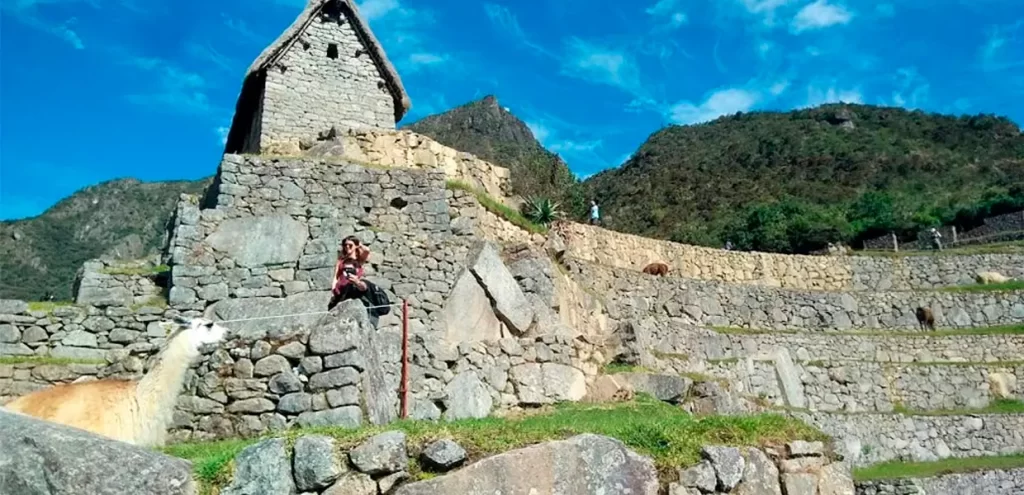
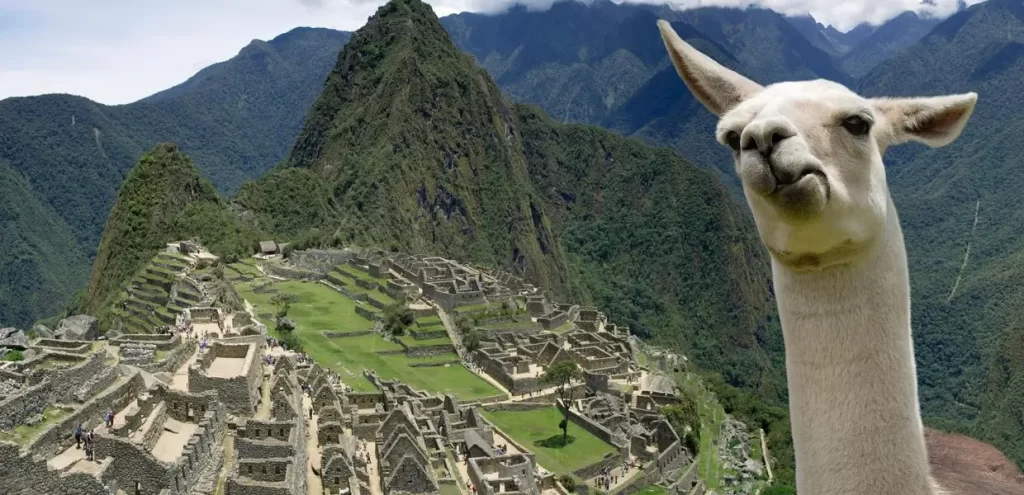
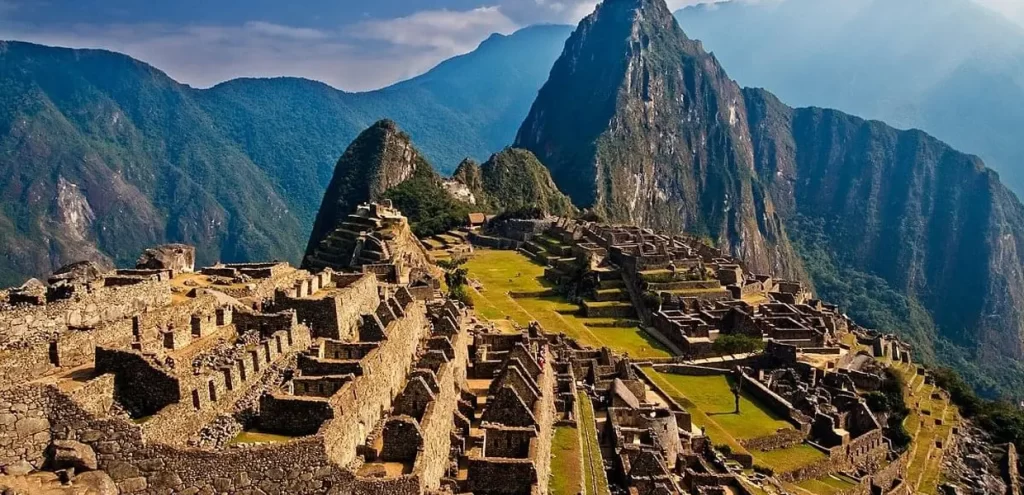
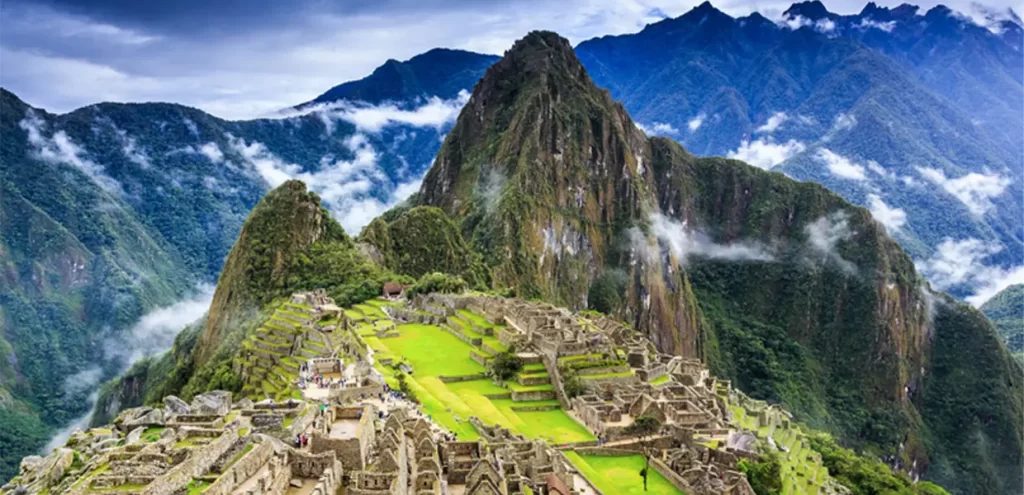
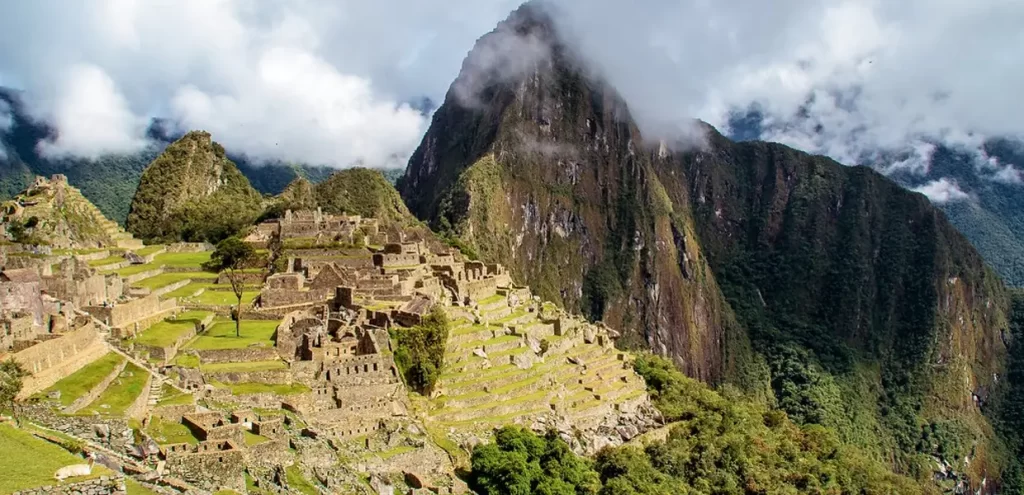
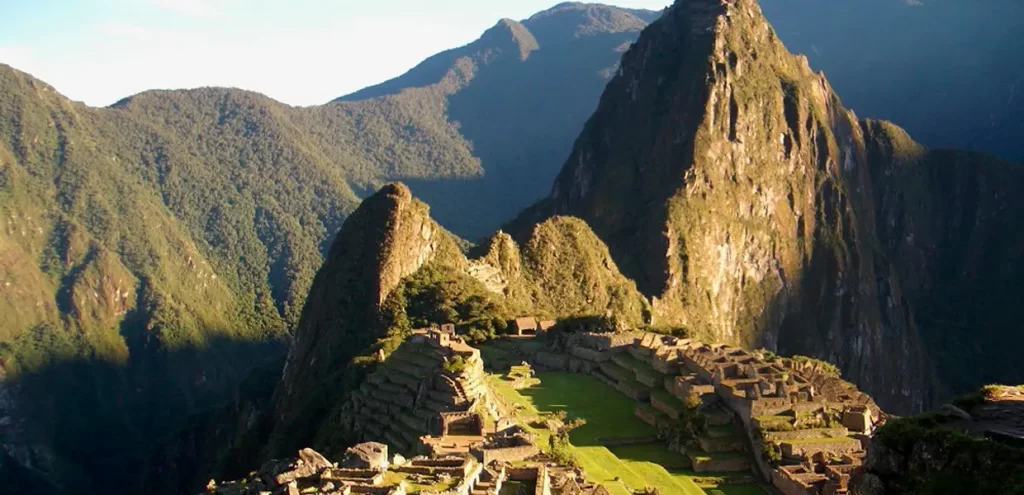
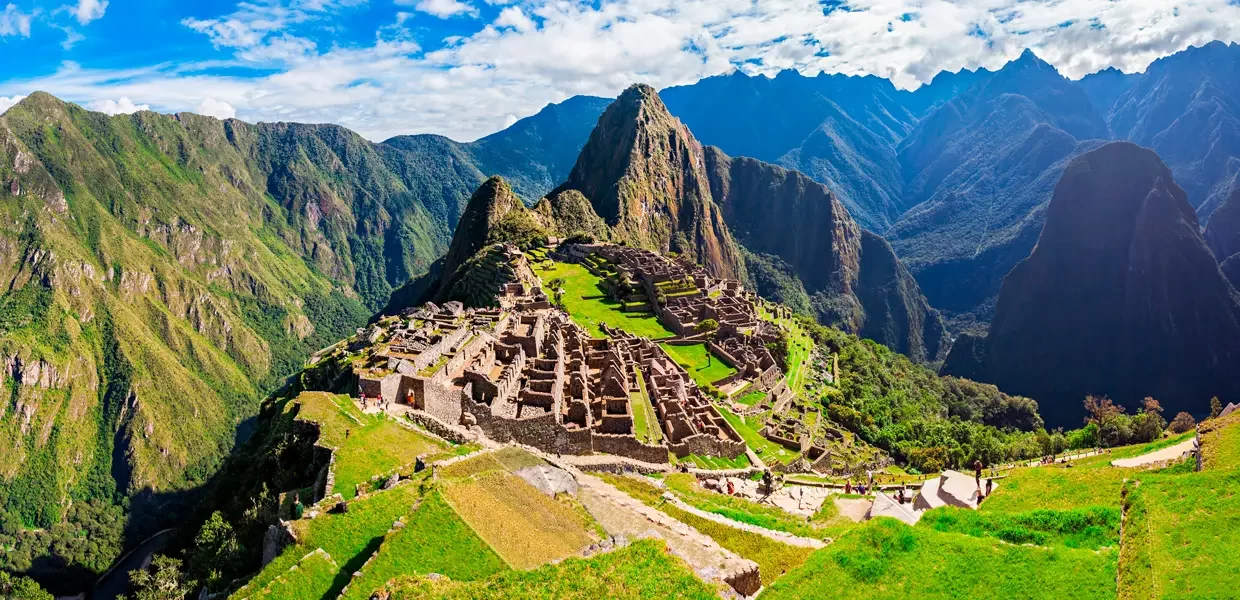
Machu Picchu sits at an altitude of 2,430 meters above sea level, perched on a mountain ridge between the Huayna Picchu Mountain and the Urubamba River. It’s located in southern Peru, about 75 kilometers (47 miles) northwest of Cusco.
Since there’s no airport or direct road to the citadel, every traveler must go through one of the following main routes:
Via train (most common)
Via trek (for adventure seekers)
Via car + walk (budget alternative)
No matter which option you choose, the last segment always ends in Aguas Calientes (also known as Machu Picchu Pueblo)—the gateway town to the ancient Inca city.

How to Get to Machu Picchu by Train (Fastest & Most Comfortable)
Traveling to Machu Picchu by train is the most popular and convenient option, especially for those short on time or seeking a more relaxed journey.
1. Start from Cusco
Most journeys begin in Cusco, the historic capital of the Inca Empire. From here, you can take a private transfer, shared van, or taxi to the train stations in either:
Poroy Station (close to Cusco—operates in dry season)
Ollantaytambo Station (in the Sacred Valley—year-round access)
During the rainy season, Poroy service may be suspended, and all trains depart from Ollantaytambo instead.
2. Take the Train to Aguas Calientes
There are two main companies that operate the Ollantaytambo to Machu Picchu route:
PeruRail
IncaRail
Both offer a variety of services ranging from standard class to luxurious trains like the Hiram Bingham, which includes gourmet meals, live music, and a panoramic observatory car.
The train ride to Machu Picchu Pueblo lasts about 1.5 to 2 hours and follows the Urubamba River through dramatic canyons and lush cloud forests.
3. From Aguas Calientes to the Citadel
Once in Machu Picchu Pueblo, you still need to reach the citadel.
You have two options:
By bus (20–30 minutes): Frequent buses run from the town to the park entrance.
On foot (1.5–2 hours): A steep hike up stone stairs with 400 meters of elevation gain.
Most visitors opt for the bus early in the morning to conserve energy for the site. Tickets to Machu Picchu do not include bus fare—you must buy it separately in town or online.

Taking a Trek to Machu Picchu (For Hikers and Nature Lovers)
For those who prefer the journey as much as the destination, trekking to Machu Picchu is a once-in-a-lifetime experience. There are several trekking options, each with unique views, challenges, and durations.
1. The Classic Inca Trail Trek (4 Days)
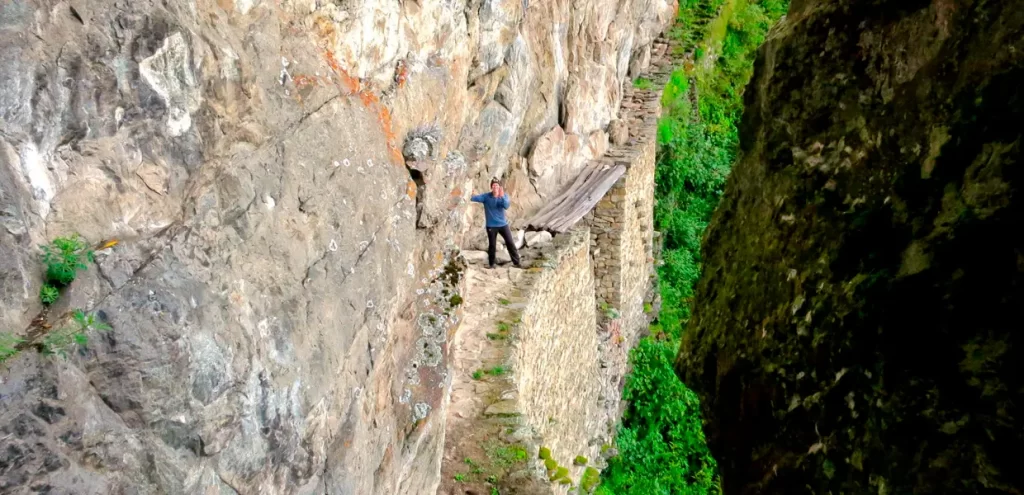
The most famous route, the Inca Trail Trek, follows original Inca paths through archaeological sites, high passes, and cloud forests before reaching the Sun Gate—the ceremonial entrance to Machu Picchu.
Distance: 42 km (26 miles)
Time: 4 days / 3 nights
Permit required: Yes (booked months in advance)
Altitude risk: Moderate to high—plan to avoid altitude sickness with acclimatization in Cusco or the Sacred Valley
This trek is heavily regulated and requires booking through a licensed tour operator.
2. Short Inca Trail (2 Days)
A shorter version starts at KM 104 and includes a day of hiking followed by an overnight in Aguas Calientes.
Perfect for:
Families or travelers short on time
Those looking for a blend of trekking and comfort
3. Alternative Treks
Salkantay Trek: High-altitude adventure past glaciers and jungles (5 days)
Lares Trek: Cultural hike through remote Andean communities (3–4 days)
Inca Jungle Trek: Combines biking, zip-lining, and hiking (4 days)
Each of these ends in Machu Picchu Pueblo, where you’ll take the final bus or walk up to the site.
Budget Route: By Car and Walking
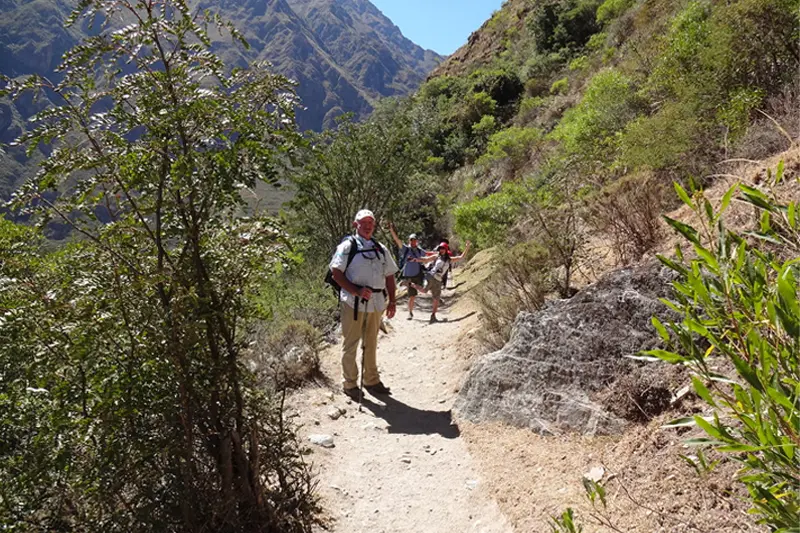
There’s also a more economical, backpacker-style route to get to Machu Picchu via the town of Santa Teresa.
How It Works:
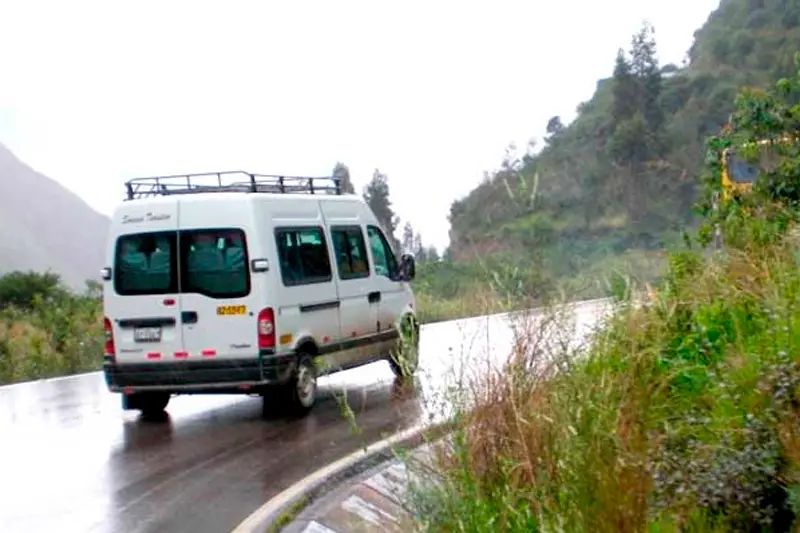
Take a car or van from Cusco to Hidroeléctrica (approx. 6–7 hours).
Walk along the train tracks for 2–3 hours to reach Aguas Calientes.
Spend the night in town, then visit the ruins the next day.
This route is scenic and affordable but can be tiring, especially during the rainy season, when roads may be muddy or blocked by landslides.
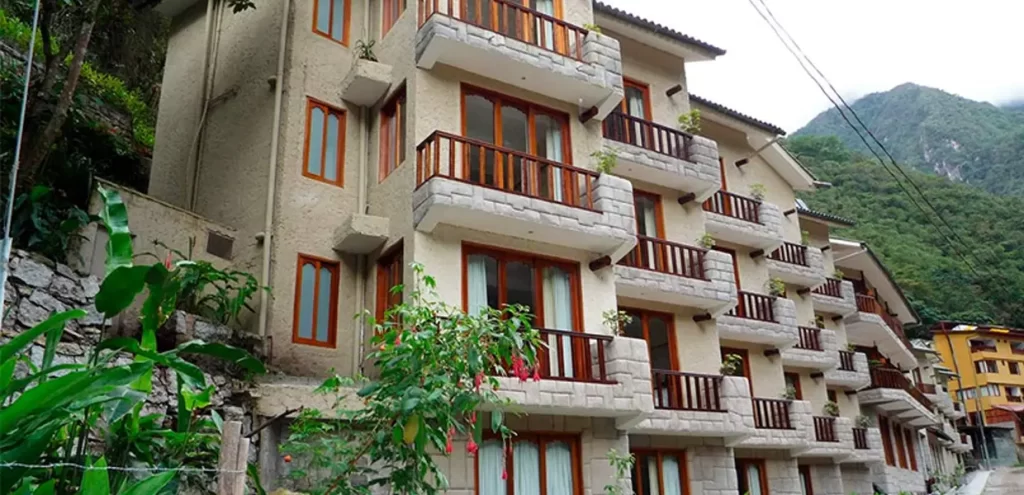
Do You Need to Spend a Night in Aguas Calientes?
Yes, we highly recommend spending at least one night in Aguas Calientes.
Benefits include:
Being among the first to enter Machu Picchu in the morning.
More flexibility in case of delays or weather issues.
A chance to rest, eat well, and explore Machu Picchu Pueblo.

How to Get Tickets to Machu Picchu
There are three things you need to secure in advance:
Entry Ticket to Machu Picchu: Choose between Circuit 1–4, and optional hikes like Huayna Picchu Mountain or Machu Picchu Mountain.
Train Tickets: Especially important for high season (July and August).
Bus Tickets: Can be purchased in Aguas Calientes or online.
Book everything at least 1–2 months ahead if you’re traveling during the peak season.

What is the Best Time to Travel to Machu Picchu?
Dry Season: May to September
Clear views, ideal hiking weather
High demand—book early
Best for train travelers and trekkers alike
Rainy Season: November to March
Lush, green landscapes but muddy trails
Fewer tourists and lower prices
Avoid February if trekking (Inca Trail closed)
Even in the rainy season, you can visit Machu Picchu—just bring a rain jacket and allow buffer time for transportation.

Tips to Avoid Altitude Sickness
Although Machu Picchu is not extremely high, your trip will likely include time in Cusco or the Sacred Valley, both over 2,800 meters.
To reduce risk:
Acclimatize for 2 days before hiking.
Stay hydrated.
Avoid alcohol and heavy meals your first day.
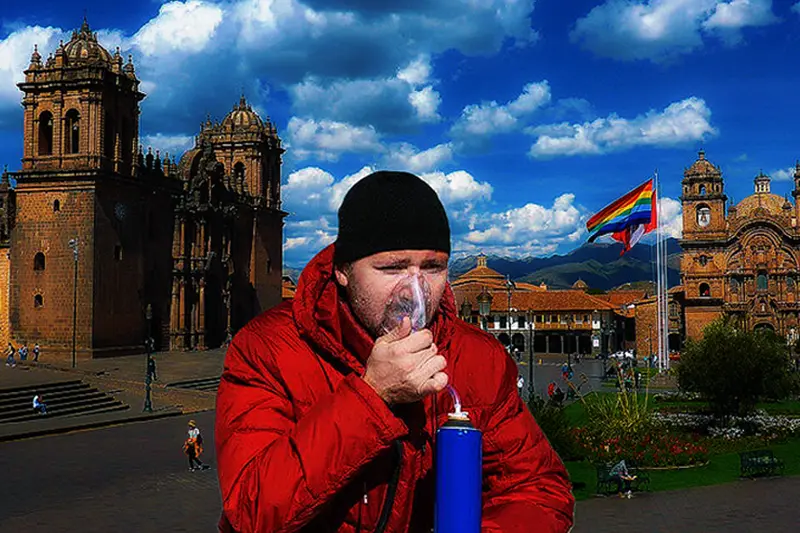
Consider coca tea or sorojchi pills (local remedies).