The Inca Bridge at Machu Picchu is one of the lesser-known yet most fascinating parts of the famous archaeological complex. Tucked away along a narrow mountain path, this ancient structure reveals the Inca’s advanced engineering skills and defensive strategies. While it may not appear on every visitor’s radar, it offers a uniquely quiet and meaningful experience for those who venture off the main trail.
What Is the Inca Bridge at Machu Picchu?
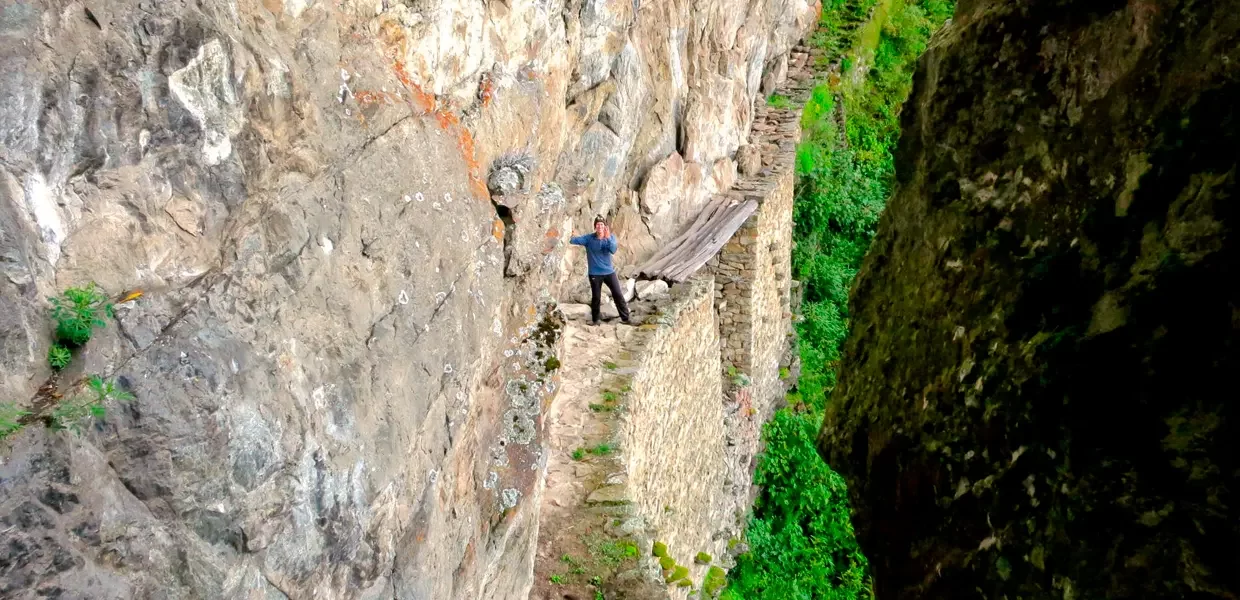
Often referred to as the Puente Inca, this structure is not a traditional rope bridge but rather a narrow trail carved into a sheer cliff face on the western side of Machu Picchu Mountain. At one point in the trail, the Incas left a gap in the path, which was originally spanned by wooden planks. These planks could be removed in times of threat, making the bridge an effective security measure.
Today, travelers exploring the site via a designated Machu Picchu circuit can follow a side trail that leads to the bridge viewpoint. Although visitors are not allowed to cross the bridge, standing a few feet away offers a powerful perspective of this daring construction.
How to Reach the Inca Bridge
To begin the Inca Bridge hike, visitors must first enter the archaeological complex using a valid Inca Bridge ticket, available through authorized vendors or the official Machu Picchu website. The trail begins near the entrance to Machu Picchu, and the round-trip hike takes approximately 20 minutes from start to finish.
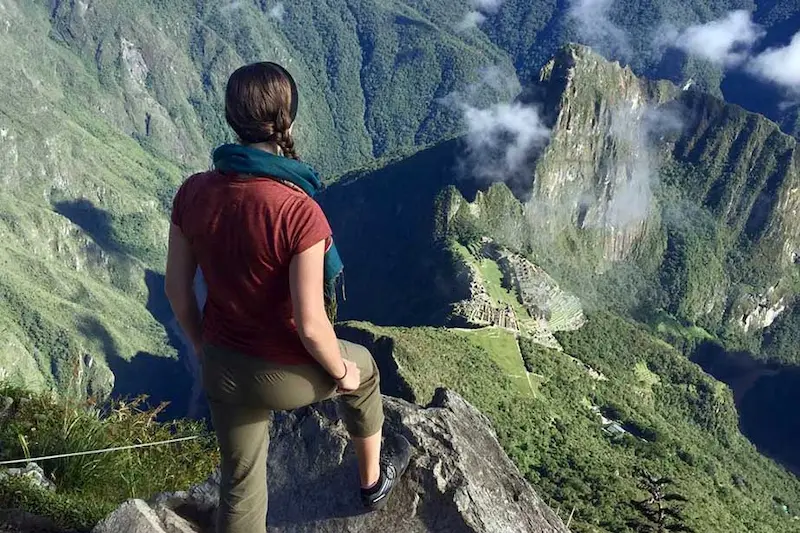
The path is well maintained but narrow in sections. While it doesn’t require advanced physical fitness, it does hug the edge of the mountain—making it unsuitable for those with a fear of heights. That said, the effort is richly rewarded with exceptional views of Machu Picchu, the surrounding landscape, and the dramatic Urubamba River below.
Why the Inca Built the Bridge
The bridge at Machu Picchu was constructed as part of a larger system of defensive measures and mountain routes. As the citadel was built in an isolated location atop a ridge, alternative access points were limited. This Inca Bridge route allowed a small number of individuals—possibly high-ranking officials, warriors, or messengers—to enter or exit the citadel discreetly.
Because of its strategic location and fragile design, the Inca bridge at Machu Picchu functioned more as a safety valve than a thoroughfare. The Incas prioritized control over access, and the bridge exemplified their ability to use the terrain to their advantage.
Symbolism in Inca Architecture
Inca structures often reflected spiritual and symbolic meaning. The precarious path of the Inca Bridge hike, suspended high above the sides of the river, may have represented more than just physical danger—it could have symbolized the transition between the earthly world and the sacred realm.
The stone walls that line the trail are consistent with other examples of Inca engineering: precise, durable, and perfectly adapted to the natural environment. The Incas didn’t just build on the land—they built with it, integrating functionality and harmony in every detail.
Comparing the Inca Bridge to the Sun Gate
While the Sun Gate (Inti Punku) is one of the most well-known features of the Machu Picchu experience—especially for hikers arriving via the Inca Trail—the Inca Bridge at Machu Picchu offers a more intimate and quiet encounter with the past. Unlike the expansive views from the Sun Gate, the bridge provides a close-up look at an engineering feature crafted to blend invisibly into the mountainside.
Both locations, however, reveal the extent of the Inca road network and the significance of controlling movement within the empire. For any visitor to Machu Picchu, seeing both offers a well-rounded view of how the city functioned in both religious and logistical terms.
What You’ll See Along the Way
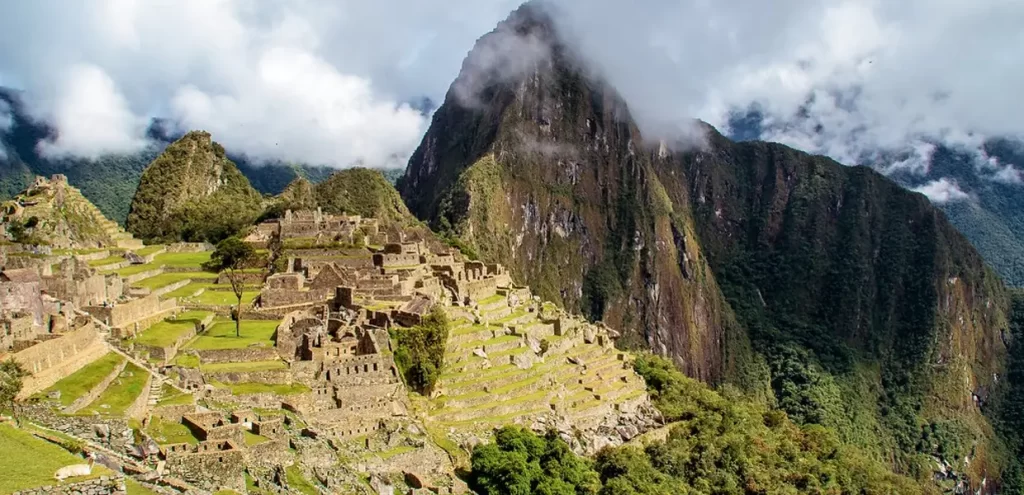
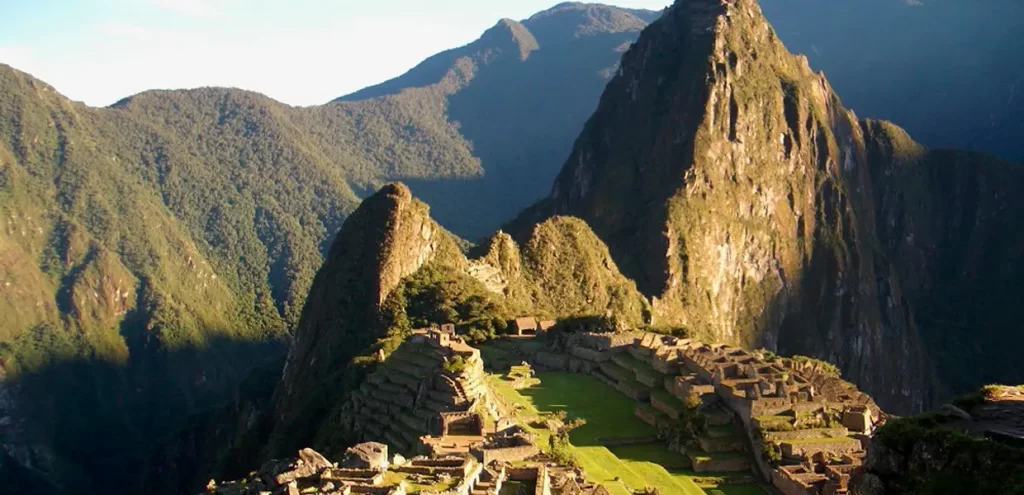
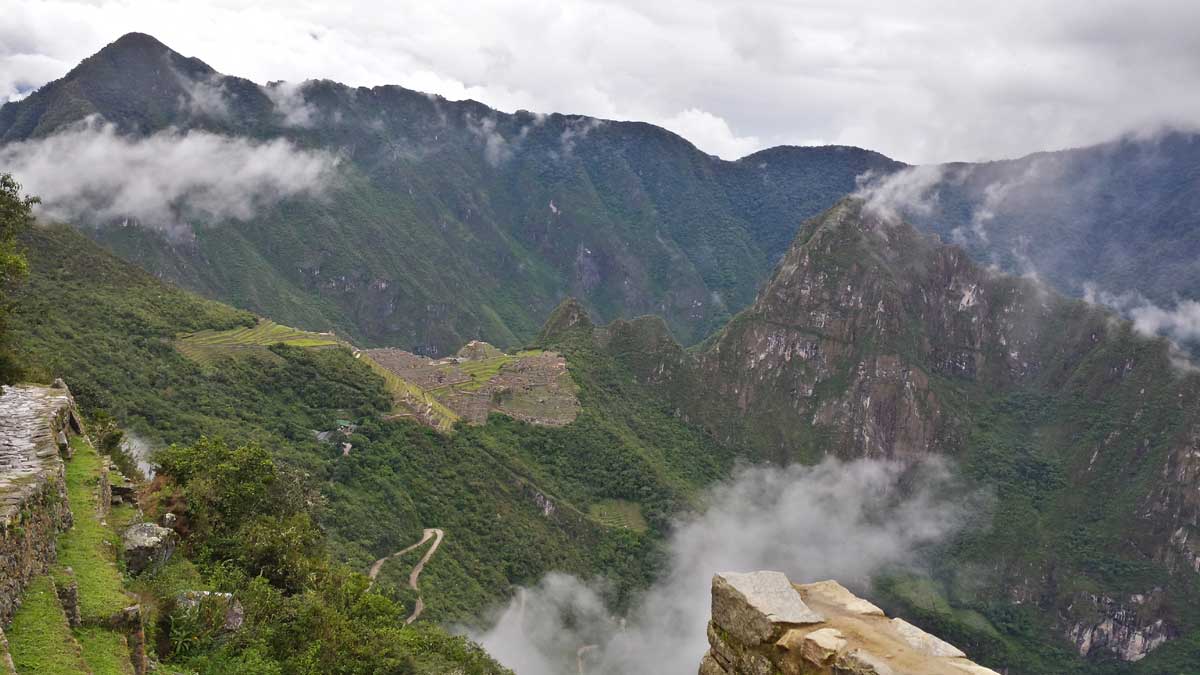
As you follow the trail toward the Inca Bridge, expect to witness incredible views of Machu Picchu Mountain, the gorge of the Urubamba River, and nearby jungle-covered ridges. The path winds through areas less frequented by the crowds, creating opportunities for reflection, photography, and appreciation of the site’s more remote aspects.
The hike itself reveals multiple stone walls and small terraces that supported both the trail and the people who once walked it. Nature and history intertwine at every step, offering a rare chance to absorb the serenity and ingenuity of this ancient site.
Tips for Visiting the Inca Bridge in 2025
Planning your visit in 2025? Here are a few tips to make your experience smooth and memorable:
Secure your Inca Bridge ticket early: Not all Machu Picchu offers include access to the bridge, so double-check before booking.
Choose the right circuit: The Machu Picchu circuit that includes the bridge is usually Circuit 1 or 2. These allow access to upper platforms and less crowded trails.
Start your day early: Morning visits offer the best light for photos and cooler temperatures for walking.
Wear proper shoes: While the trail isn’t strenuous, its narrowness and drop-offs require good grip and comfort.
Stay cautious: Respect the rules and remain behind the safety barriers—do not attempt to cross the bridge under any circumstances.
The Inca Bridge as a Highlight of Your Trip
Despite its relatively short trail, the Inca Bridge at Machu Picchu remains a highlight for many visitors. It adds an element of mystery and daring to an otherwise serene experience. While the classic postcard photo may be taken elsewhere, the bridge allows travelers to step deeper into the mindset of the ancient Incas.
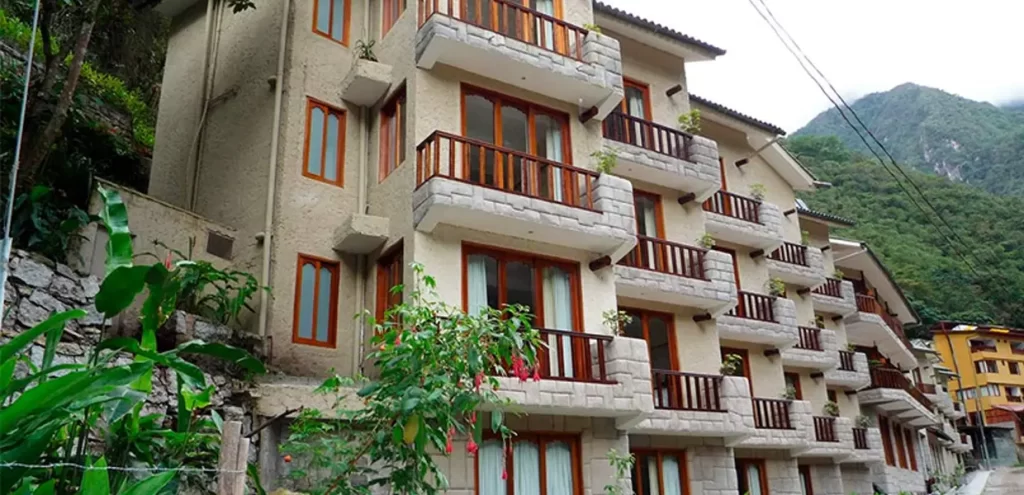
From Aguas Calientes, the modern gateway to Machu Picchu, tourists arrive expecting to see temples, terraces, and sacred plazas. However, discovering hidden paths like the Inca Bridge route adds depth and richness to the journey.
A Lesser-Known Treasure with Lasting Impact
Unlike other major features of Machu Picchu, the Inca Bridge at Machu is still relatively quiet. This means fewer crowds, more personal space, and a better opportunity to connect with the natural surroundings. It’s an ideal spot for travelers who value discovery and authenticity over checklist tourism.
Photographers, historians, and hikers alike find something special here. Whether you’re interested in architectural precision, ancient travel routes, or the stunning views of Machu Picchu, this bridge delivers all of it in just a 20-minute round trip.
Why the Inca Bridge Deserves Your Time?
The Inca Bridge at Machu Picchu stands as a testament to the Inca Empire’s adaptability, foresight, and deep respect for nature. It may be modest in size, but it looms large in significance. For those who make the short hike, the reward is a rare connection to an empire that thrived in the clouds.
On your next visit to Machu Picchu, don’t overlook this incredible site. Venture beyond the temples and plazas, and take the trail toward the hidden cliffside bridge. In doing so, you’ll gain a new appreciation for what Machu Picchu offers—not just in beauty, but in enduring brilliance.